Creating a registry or shopping for yourself
My Top 6 Tips
- Get a registry even if you don't plan to "register." Whether or not you will share it publicly, definitely set up a registry with at least one of the big companies like Amazon, Target, or BuyBuyBaby. They offer deals like welcome packages (free samples, coupons, and cute stuff!), diaper discounts and discounts on anything that hasn't been purchased by a certain point before your due date. Mom hack: while pregnant, I put literally anything I buy from Amazon on my Amazon Baby Registry first (how to they know that set of dumbbells wasn't for the baby?) so I can rack up the cash towards the diaper discount that kicks in once you've spent $500 on your registry.
- Focus on the first few months. You will start to figure out what you need as you go and might end up realizing things you thought you wanted don’t actually work for you. Babies are all so different and parents do things very differently, too. And there will always be Christmas, birthdays, etc. to accumulate more stuff as you go.
- Stick to the basics. Beware the prescribed lists of "must-haves" that are sponsored by companies trying to sell you said must-haves. Do not feel obligated to have every little luxury on day one. One example is all the kinds of blankets. Popular lists will insist you need burp cloths, swaddle blankets, receiving blankets, nursing covers, car-seat covers, etc. There are literally full articles dedicated to explaining to you why you need all the different types for different uses. You don't. They are all just pieces of fabric. You will likely get a few for free at the hospital and a few as gifts whether you register for them or not. You can use muslin swaddle blankets for just about everything -- they're breathable, absorbent, opaque, and hold a swaddle.
- You don't need a lot of newborn sized clothes. Newborns can almost always be naked (being skin-to-skin nursed or changed, or swaddled while asleep).
- Stick to neutrals for the expensive things. If you plan to have more babies or might want to donate to friends or family one day, you might regret if everything is hot pink.
- Analysis paralysis? Check out the website Lucie’s List which reviews and compares all the popular registry products. They also will send you email updates if you subscribe on age-specific topics. Highly recommend.
What to Get
There are a million options for everything that will work just fine. These are the items we use(d) and can recommend (or warn against) to give you a starting point.
Categories
Getting Home From the Hospital
Places to Put the Baby Down
Sleep
Health and Bath
Diapering
Bottle Feeding
Formula Feeding
Clothes
Toys
For Mom
Nursing gear
Getting Home from the Hospital
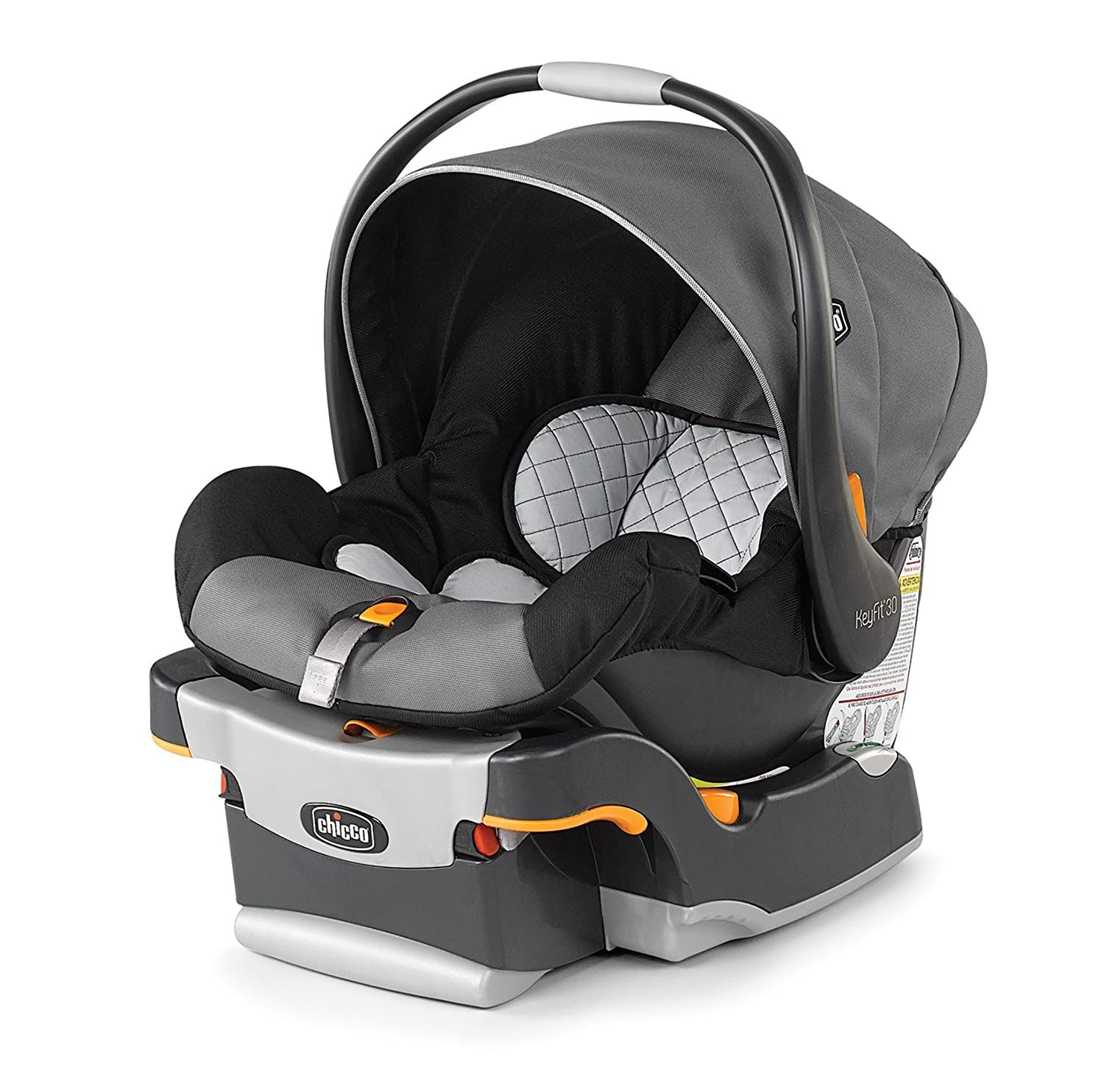
Car-seat (we had and loved the Chicco Ketfit30)
- There isn't really a way to save money on these. You can get one as a hand-me-down but beware they do have expiration dates and the safety requirements update frequently. This is literally the only item you can not go home from the hospital without. They usually make you bring it in so you can prove you have it and know how to get the baby into it safely.
- Mom hack: Many cities and towns have places you can go (usually fire stations) where someone will help you install the car seat for free to make sure you do it correctly.
Luxury upgrades:
- A mirror so you can see the baby while you're driving since he will face backwards for years and you're going to wonder what he's up to.
- Extra car-seat bases - in a pinch, most car seats can strap into any car directly with a seat-belt, but t
he bases have an easy click-in and click-out system that makes transfer easy, which is especially nice with a sleeping baby. If you get a few of these you can have one in each car the baby frequently uses (Dad, Mom, Grandpa, etc.). - The Doona is a car-seat and stroller in one (the wheels fold up underneath it). We had it with Number 3 and loved that we didn't have to make that extra trip around to the trunk getting in and out of the car each time.
- Toddler update: babies grow out of infant car seats around 1 year old. They also have "grow with me" versions that convert to front-facing and booster seats and can last their whole childhood (yay!), but they don’t transfer from car to stroller which means you would often have to wake the baby up to transfer (ouch). So most people end up ultimately getting both. Or multiples of both. Babies are expensive. But on the bright side, if you have more than one kid you shouldn’t have to buy more!
- For a toddler car-seat we bought a few kinds (four grandparents, two cars...ugh) but we like the Chicco Nextfit Zip best. It was easier than the Graco 4Ever to clean and to install.
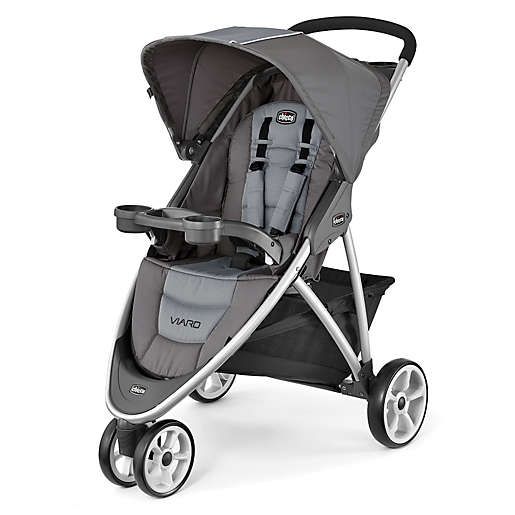
Stroller (we had and loved the Chicco Viaro):
- Most companies sell combinations of infant car-seats and strollers as a "Travel System" which will save you money and ensure that the two are compatible. It's all about that snap-in/snap-out function so you can keep your sleeping baby asleep when transferring between the car and stroller.
- The Chicco Liteway Plus is a little annoying to steer and not that much lighter or easier.
- Toddler update: Later you will probably want a stroller that is much lighter and easier, called an “umbrella stroller” or “travel stroller,” but people typically don’t start with these because they don’t have that amazing clip-in car-seat option.
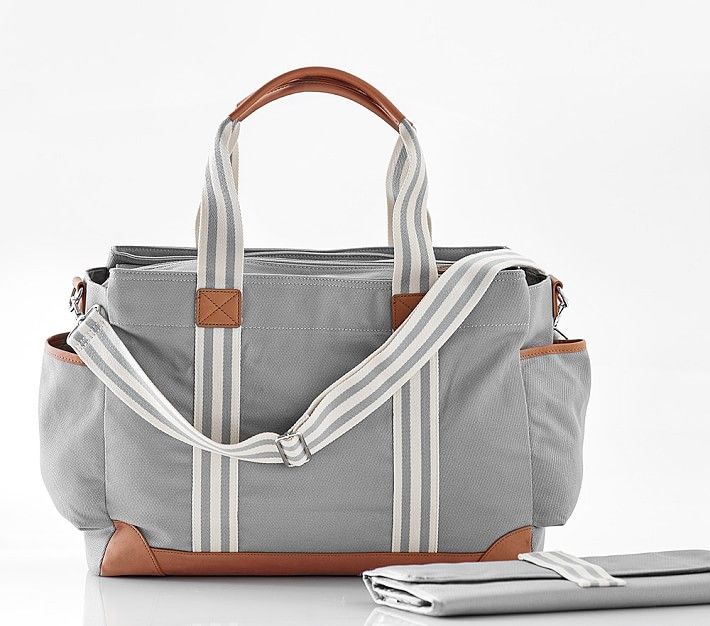
Diaper bag:
- I thought I wanted the backpack kind (so stylish!) but it turns out I use them all as shoulder bags because one of my arms is always holding a baby. Go figure.
- It's nice to have a wipeable changing pad (most come with one) in the diaper bag as well as some plastic bags to seal poopy diapers in so your friends invite you back some day even if you stick dirty diapers in their trash.
- Also works: Literally any bag works just as well as a "diaper bag" and is probably cheaper
Places to Put the Baby Down
You don’t need ALL of these, but generally at some point you are going to want to eat or pee or otherwise have your hands free and it's good to have a few options for putting baby down.
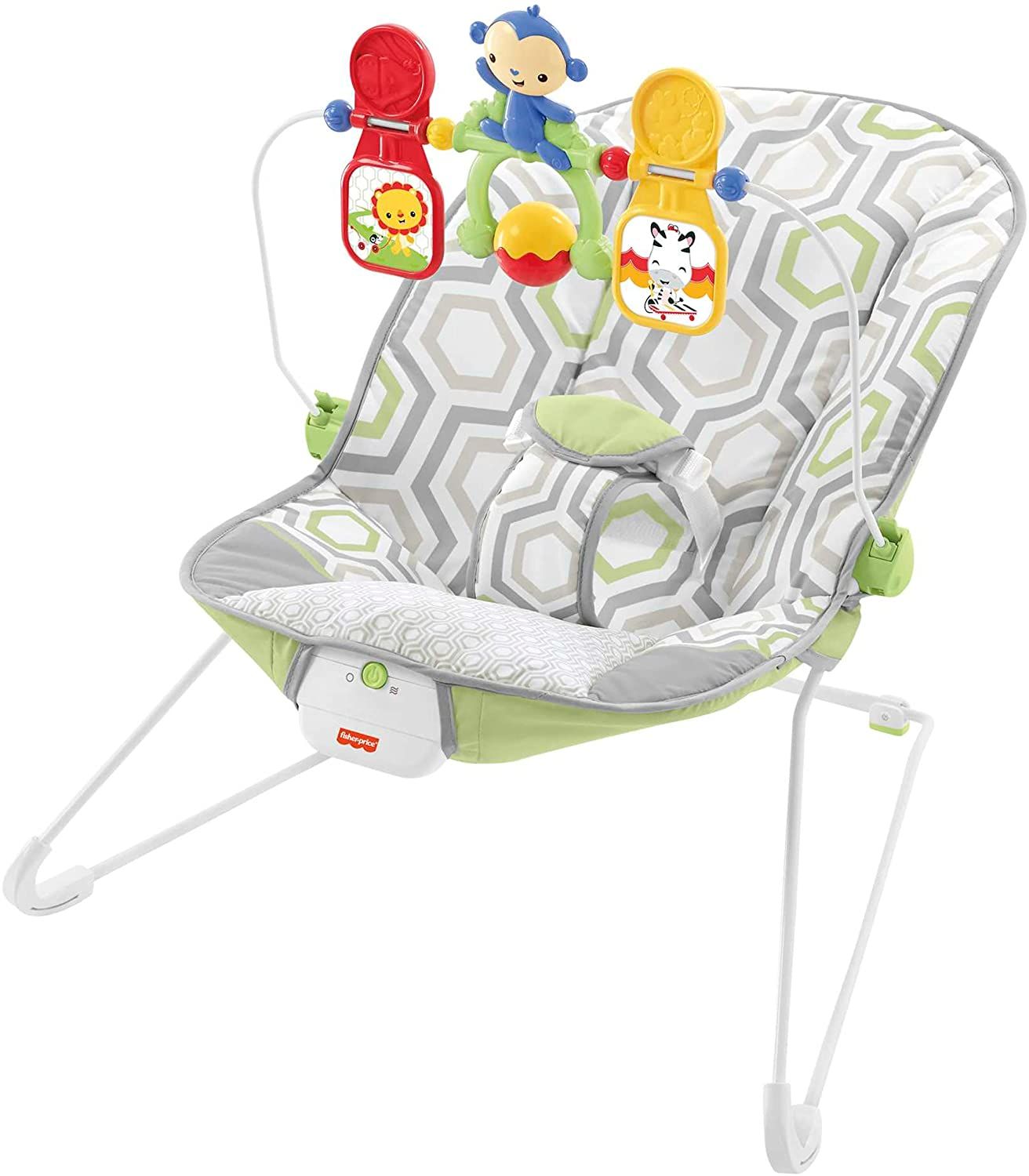
- Something portable (for example, to bring into the bathroom with you while you shower): This bouncer chair is pretty much the best thing that ever happened to us.
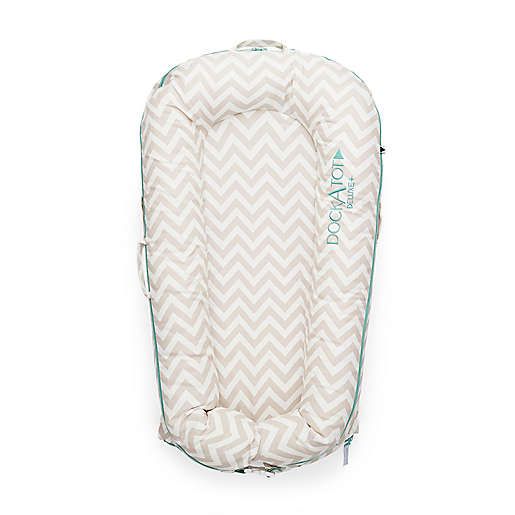
Luxury upgrade: The Doc-a-Tot or Snuggle Me Lounger are great options for the baby to lie down in (but there are some safety concerns with baby sleeping in them).
Also works: You could just use a shallow laundry basket (the plastic kind with holes) with a blanket or firm pillow at the bottom.
- Once Baby is old enough to hold his head up reliably and is working on sitting up, something like the Bumbo is nice, or you can just prop him up on a nursing pillow like the Boppy.
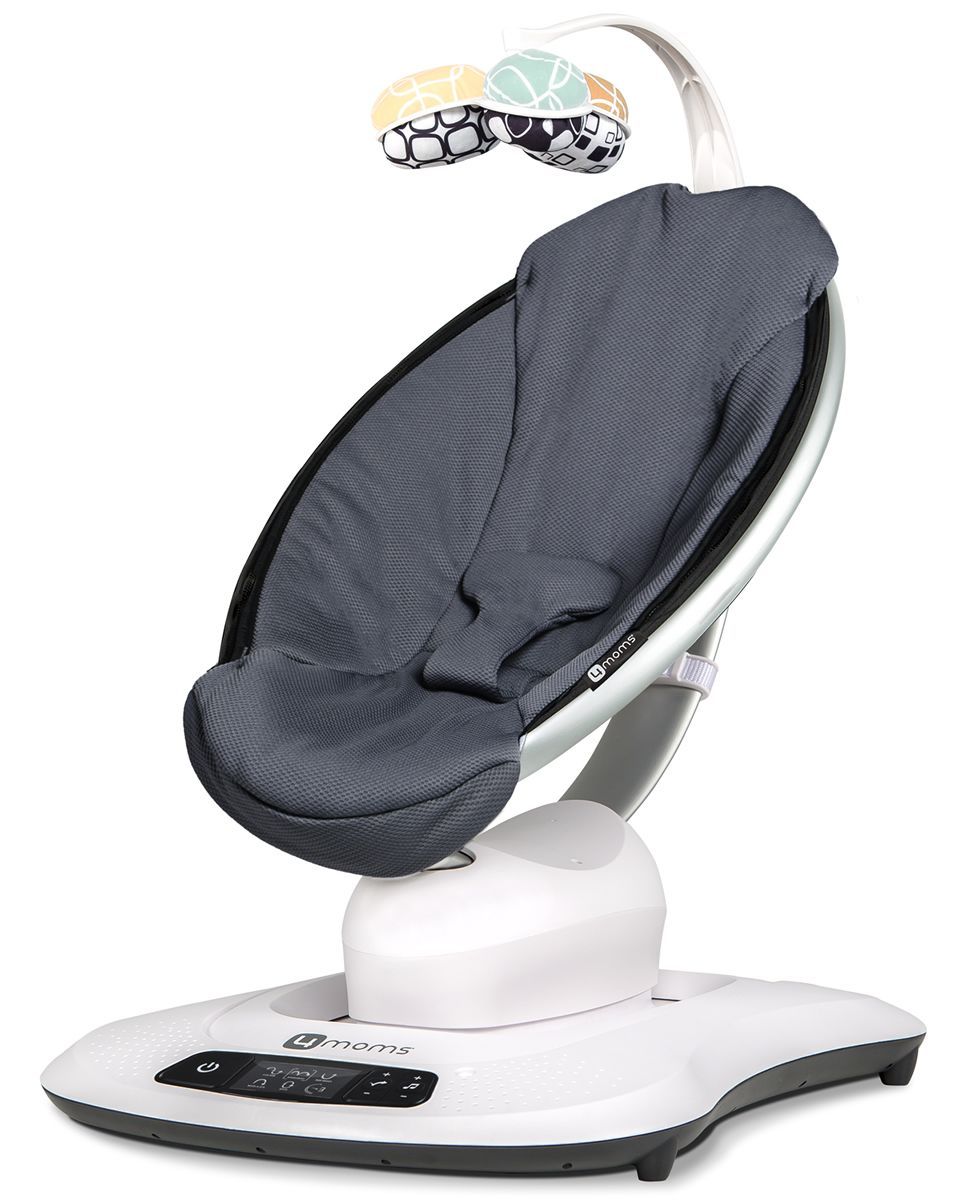
- Something that actively soothes baby: Babies tend to like to sleep in things that are moving and not totally flat. These aren't recommended for overnight sleep but are generally safe if someone is awake and watching the baby while he sleeps. What most people use are called "swings" (even though they look nothing like an actual swing). The Mamaroo is good but expensive. The Graco Everyway Soother is basically the same thing, but cheaper, and has the added bonus that the top comes off to become a portable bouncy chair. The major issue I've seen with swings is that they are a huge investment (especially considering the baby grows out of them in a matter of months) and every baby is totally different in terms of whether or not they like them. My second baby would sit in the Mamaroo all day, my third wanted nothing to do with it.
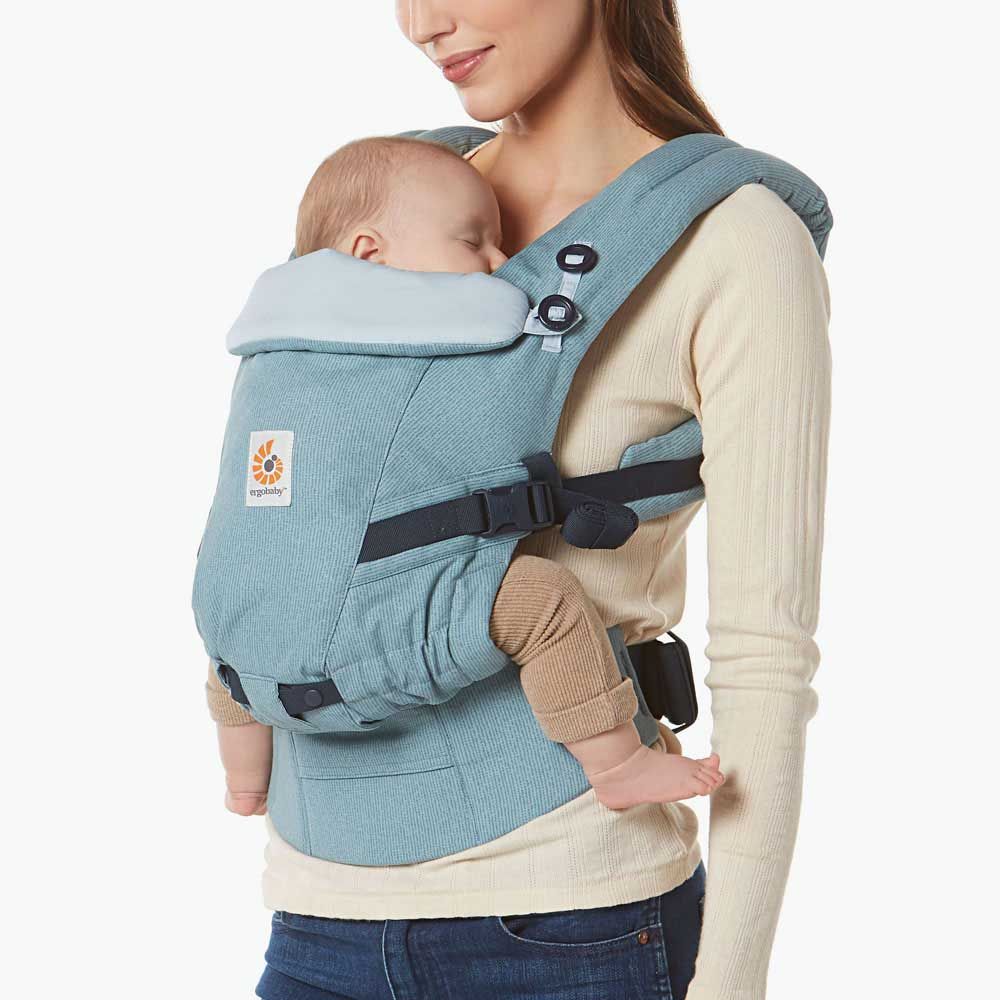
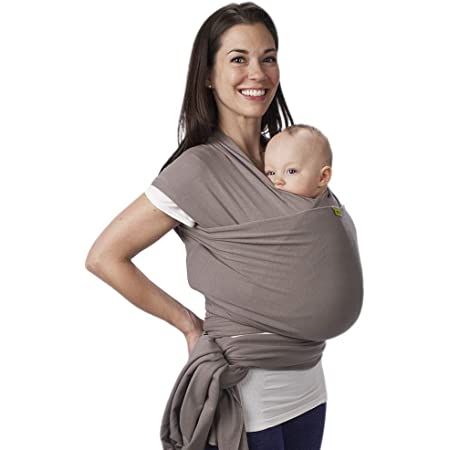
A carrier (to walk around with Baby): we have the ErgoBaby, which works well. Wraps work fine too, and have the advantage of being easier to throw in a bag, but they are a little complicated to put on and might not feel as sturdy as baby gets older. I think how much you want to invest in these depends on how much you plan to carry your baby and how well s/he tolerates it.
ErgoBaby makes the 360 (4 months to 4 years) and the Embrace (newborn to 12 months), the Embrace is softer and a bit easier to put on, especially with a newborn. I much prefer the Embrace and none of my kids wanted to be worn much after they could crawl so I would never have used it past 12 months anyway.
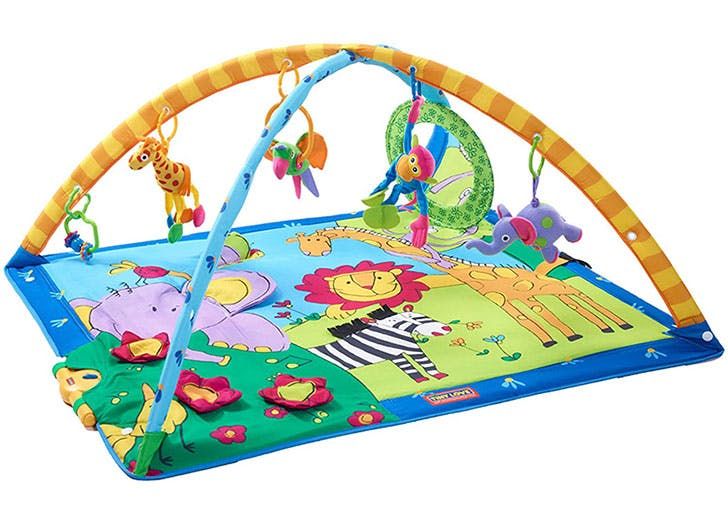
A play gym/mat (basically a mat with an arch over it you can hang toys on): They recommend putting Baby on his tummy for a few minutes per day since they spend so much time on their backs. When they get old enough to notice toys, it's also good to have a place for them to lie on their backs and play with toys overhead. These are fun but definitely not a necessity.
- Also works: Literally any blanket on the floor is fine for Baby to play on. Just remember they tend to spit up during "tummy time" so whatever you use is probably going to get dirty.
- Mom hack: This is probably going to be on your living room floor and featured in a lot of pictures of your baby. Think about getting something that matches your decor and makes a pretty background if that is going to make you happy. Your baby does not care if Elmo's face is on his toys yet, so take advantage. The Lovevery Play Gym is really popular and relatively neutral as far as baby items go.
Sleep
A crib and/or bassinet:
- Bassinets are smaller and more portable which is nice if you plan on “rooming in,” but they only fit for 6 months or less. We had one (Chicco LullaGo) because we were moving in less than 6 months and didn’t have a lot of room in our apartment. Otherwise we would have just gone straight to a crib. The LullaGo does not have much advantage over a Pack-n-Play, in retrospect.
- Luxury upgrade: The Halo Bassinest is nice because it goes right up to your bed so you have to get in and out of bed less, but they are fairly expensive for a relatively short period of use.
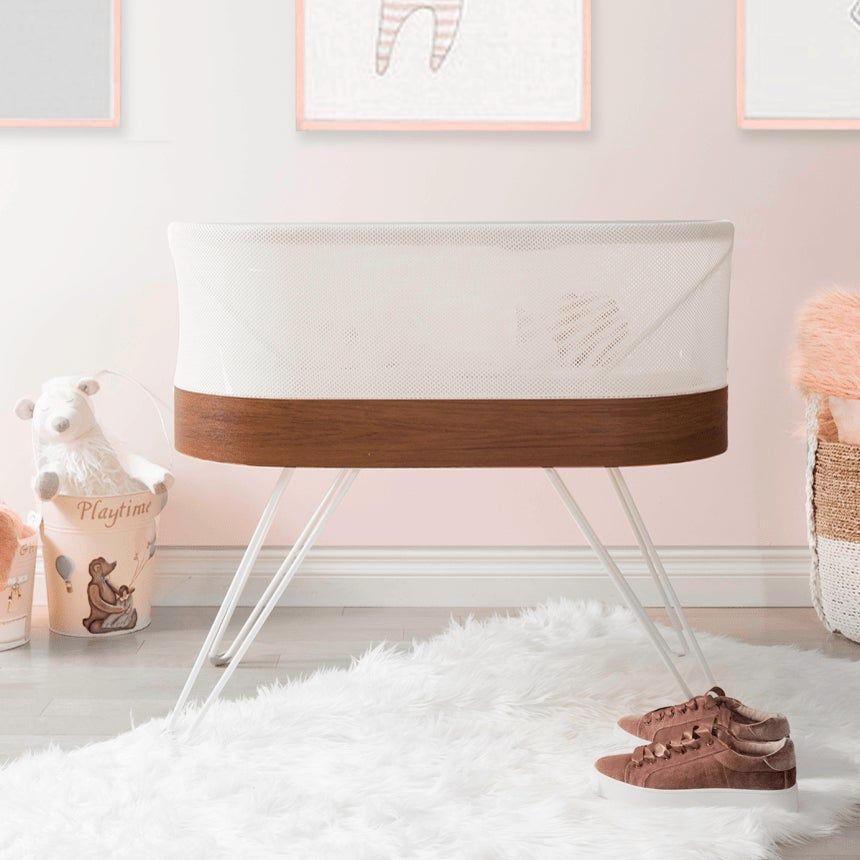
- Luxury upgrade: The Snoo Smart Sleeper is a bassinet that rocks your baby to sleep for you. It is similar to a swing in that regard except it's approved for unsupervised, overnight sleep. It senses the baby's movement and crying and increases the intensity of noise and movement. It also runs through an app and tracks stats and sends you little tips from time to time. It is absolutely magical but very expensive. There is an option to rent it as well. For the full 6 months of expected use it's about the same price to buy, but it might be worth renting for just the toughest month or so of sleep (the time around week 6). It seems to start working best around 1 month old according those who have a lot of experience with it.
Cribs are bigger and even come as convertible versions that can go up to a toddler bed (basically a crib with a space on the side to climb in and out) and then a twin bed (we love our Babyletto). Usually a crib lasts until the toddler stage (around 2-3 years old). Like car seats, there are a lot of frequently-updated regulations for crib safety so check those out if you're planning on using a hand-me-down.
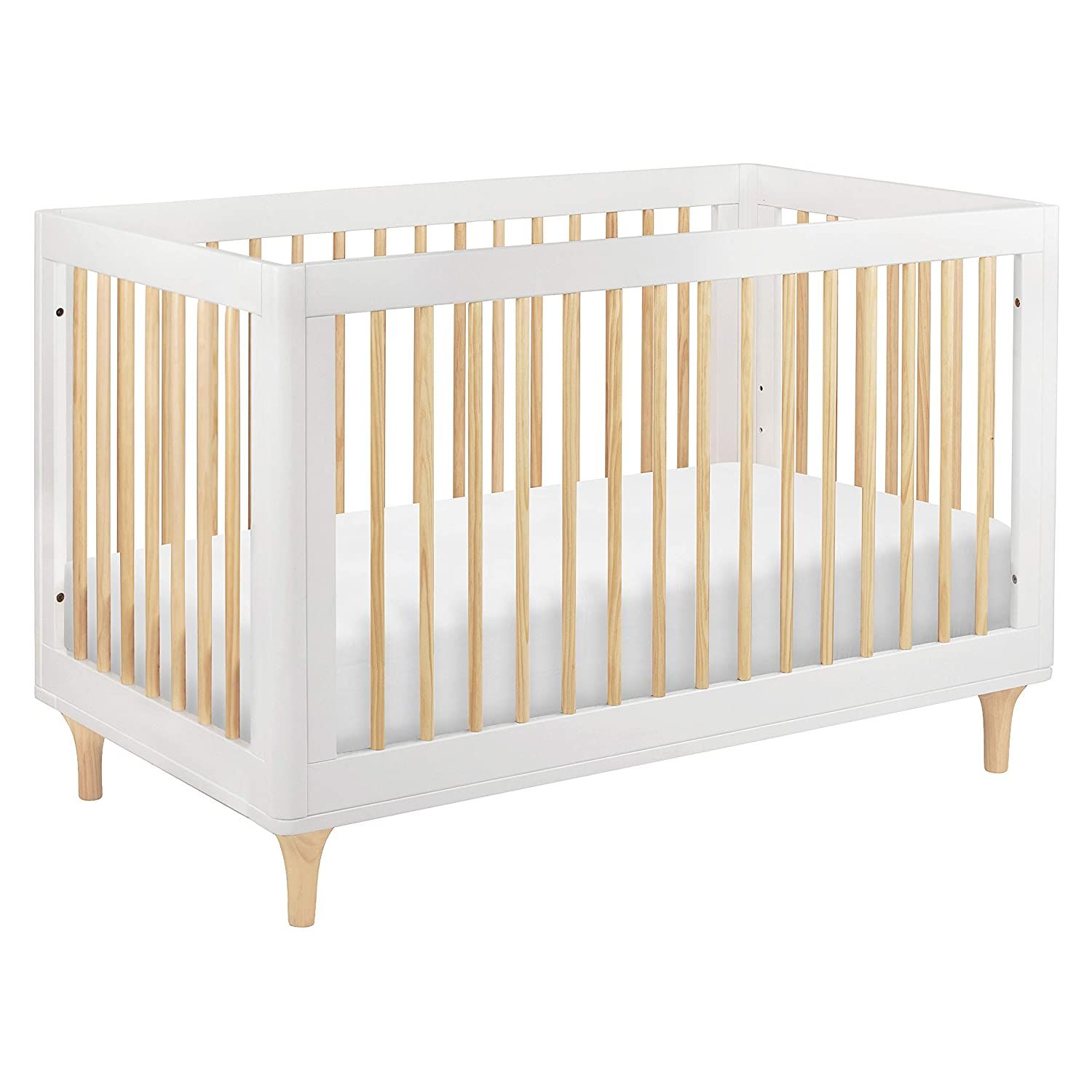
Crib mattress: We are happy with our “Little Dreamer”.
Baby monitor: The main decisions you have to make are whether you want video or just audio, and if you want something that comes through your WiFi (so you could check in even if you're not home) or is on a closed circuit. The nice thing about video is you can sometimes see why s/he’s crying which helps you decide if you need to go help (Lost the pacifier? Accidentally rolled over and can’t get back?).
- WiFi/iPhone enabled: We have the iBaby which is okay but I don’t know if I would buy it again because it glitches a lot and depends on good internet connection, which kind of defeats the whole purpose. One cool feature is that you can set sound alerts with a threshold so you don't have to hear every grunt and sneeze, it will just send an iPhone alert if the baby is truly trying to get your attention. One downside is that you are basically on camera for anyone with access to see when you're around the monitor which can be a little creepy.
- Closed circuit: We have the Infant Optics which works really well and seems reliable. It is also more intuitive than the iBaby and does not need anyone who babysits to download an app to see the baby.
- We also have a cheap sound-only monitor for travel and as a backup which is helpful too.
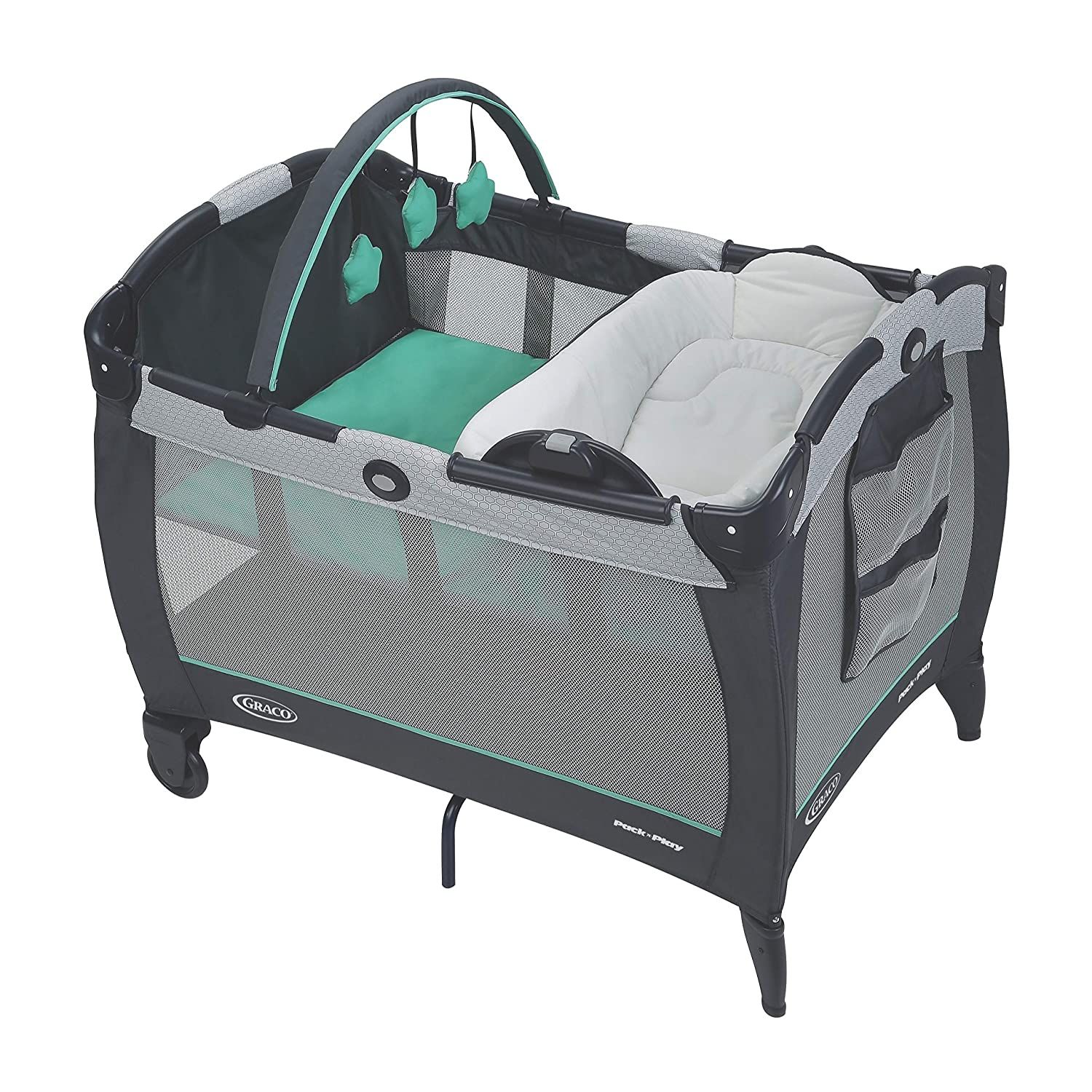
A Pack-n-Play (or something similar): I originally thought I was going to be the first mom in history to get by without one of these, but now Dylan has three (one at each set of grandparents' house and one for us). Once Baby is old enough to know what’s going on he won’t be able to just sleep anywhere in a car seat anymore so if you want to take him somewhere, like Grammy’s house, for more than the 2ish hours you get between naps at first, you’ll need somewhere for him to sleep. They have super deluxe versions with bassinets and changing tables built in so some people use just one and cover their needs for a playpen, crib, bassinet, travel crib, and changing table...others just want the travel crib part of it and they have less fancy versions for that purpose, too. They also have play-yard mattresses you can put in them if you’re worried about baby sleeping on such a flimsy surface in the crib part. Bonus: these are also great to have around for when friends/family with young kids come to your place so they don't have to bring their own!
Mobile: I thought these were totally pointless but actually it can help the baby stay calm when you put him down flat, which they generally don’t like, long enough to fall asleep, and also can keep them chill when they wake up long enough to give you a few more minutes of sleep. Plus they look cute. Win-win.
A sleep plan: It is really hard to get babies to sleep when you want. The book Healthy Sleep Habits, Happy Child is long and confusing, but it worked for us. So I summarized it for future exhausted parents (and my future self)! Now people say how “lucky” I am that my kids are all amazing sleepers. They were NOT born that way.
A sound machine or fan: Babies sleep a lot during the day. It’s nice to not worry about waking them up. Keep in mind, a lot of things also have a sound-machine feature (like mobiles, baby monitors, swings, night-lights, etc.) so you probably won't need to buy a separate one.
- Luxury upgrade: The Hatch nightlight and sound machine is fantastic for late-night feeds and diaper changes, white noise, and can be used as a "time to wake" clock for a toddler. And you can run it from your phone. Plus it looks nice.
- Bonus: Having a fan in Baby's room is supposed to help prevent SIDS.
Pacifiers: These are controversial when it comes to breastfeeding, but we lasted until about hour-of-life 45 without one for Baby #1. We didn't even pretend to try not to use one with Baby #2. Plus, they are recommended for use during sleep to prevent SIDS. If you’re using bottles, it probably helps to get them from the same brand so the nipple shape is similar. With Baby #3, we couldn't find a single pacifier she liked. Finally we got a pacifier sample pack and tried out every single one until we found one that worked.
- For going out, pacifier clips are helpful so you don’t keep losing pacifiers and/or having to pick them up off the floor.
Health and Bath
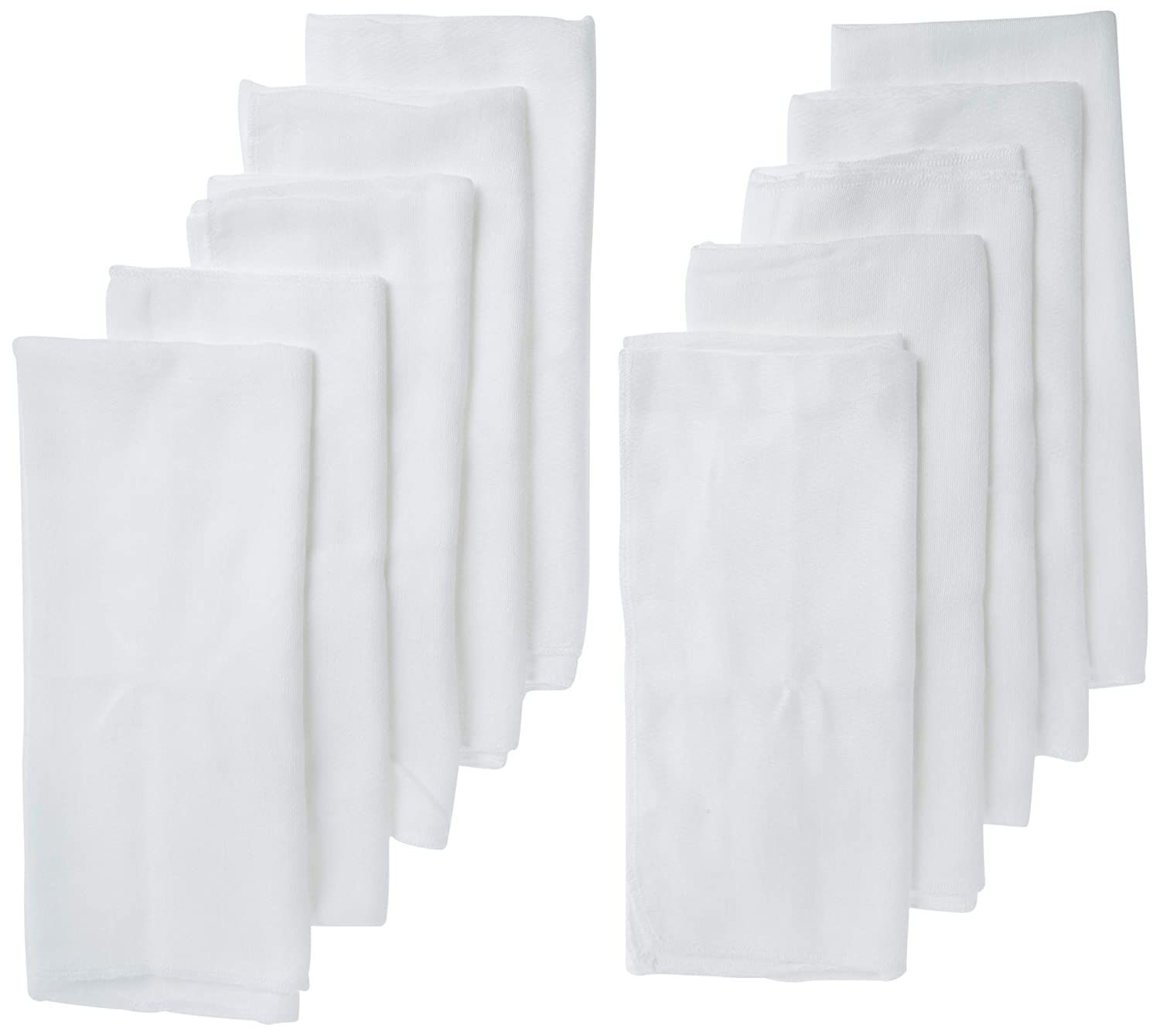
Cloth diapers (but not for diapering!): The most basic old-fashioned kind. Although the patterned “burp cloths” that go over your shoulder look oh-so-cute, they don’t actually catch any of the spit-up, especially when they’re brand new. It literally just rolls right off them. Cloth diapers are way cheaper and are perfect for catching spit-up, mopping up spit-up, wiping Desitin off your hands, etc. They are similar to those muslin blankets, just not as cute (but again, so cheap!). There was so much more spit-up than I expected. Buy a bunch and have them within reach wherever the baby might be.
Vitamin D drops: If you plan on breastfeeding they’ll tell you to use these. Might as well have them at home already. Keep in mind that for some brands the dose is a milliliter and others it's just a drop. I found the drops easier.
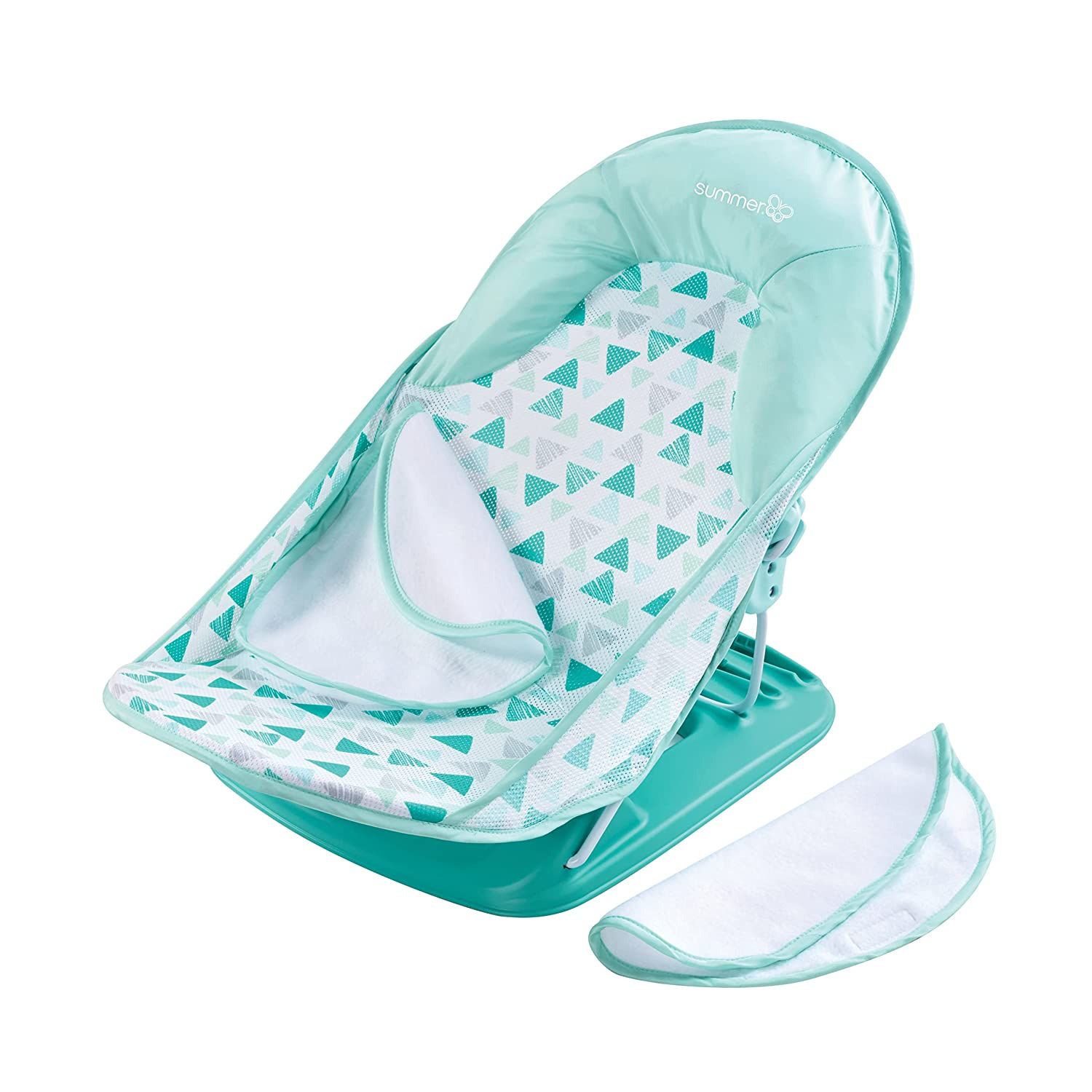
Something to support Baby during baths in the sink (because they are slippery!): We started out with this adorable foam flower thing but it took two cycles in the dryer every time to dry it which is absurd. And dripped all over our floor on the way to the dryer. So then we got just a little mesh seat which works great. For Baby #2 we got a separate baby tub so we didn't have to clear out our sink every time he took a bath, which is also fantastic and works for many age ranges but does take up a lot of room. For sitting babies that aren't totally trustworthy yet, this little bath chair is perfect. Later, when he can sit up well, just a bath non-slip mat to cover the drain is all you need.
- Also works: you can totally just hold onto Baby, get into the bath with Baby, or take Baby in the shower and save yourself some cash.
- Bath hack: keep at least two washcloths in the bath and alternate them by dipping in them in the warm water and placing them over the parts of the baby you're not washing to keep him/her nice and warm
Diapering
Diapers: These come in sizes (some new parents learn the hard way). You will likely get some free from the hospital to go home with. Don't overstock on Newborn-size before Baby is born because you might end up with a baby that's already too big for Newborns. Everyone seems to love Pampers Swaddlers for young babies. We love Huggies Little Movers for our toddler.
Wipes: if you are a Costco member, Kirkland wipes are AMAZING and relatively cheap. Otherwise, wipes are wipes, try a few kinds and see what gets the poop off. You will probably get some free samples with other stuff you buy along the way, and some to take home from the hospital.
- Mom hack: wipes can also be used for hands, faces, spills, spit up, your make-up...they are basically the duct-tape of parenthood.
Common parenting wisdom says skip the wipe-warmer. There are some luxuries you don't want Baby getting too attached to.
Also works: just wet a paper towel or cloth or bring baby directly to the sink/bath
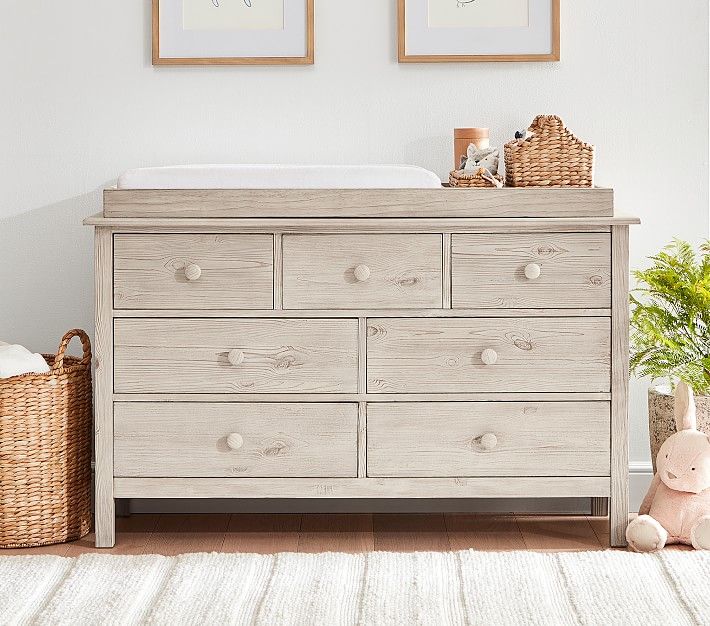
A changing table is not a necessity but it can be nice. You can also just put a changing pad on top of any other kind of table or dresser. Since they are expensive and not useful for very long, these are items that you can often get in pretty good shape as hand-me-downs or from something like Facebook Marketplace. Basically what you are looking for is something that will hold the changing pad in place and has a spot for diapers and wipes so you don't have to leave Baby's side during the changing process.
- Mom Hack: Set up some sort of laundry basket within reach of the changing table so you don't have to leave the baby's side to dump a poop-covered outfit.
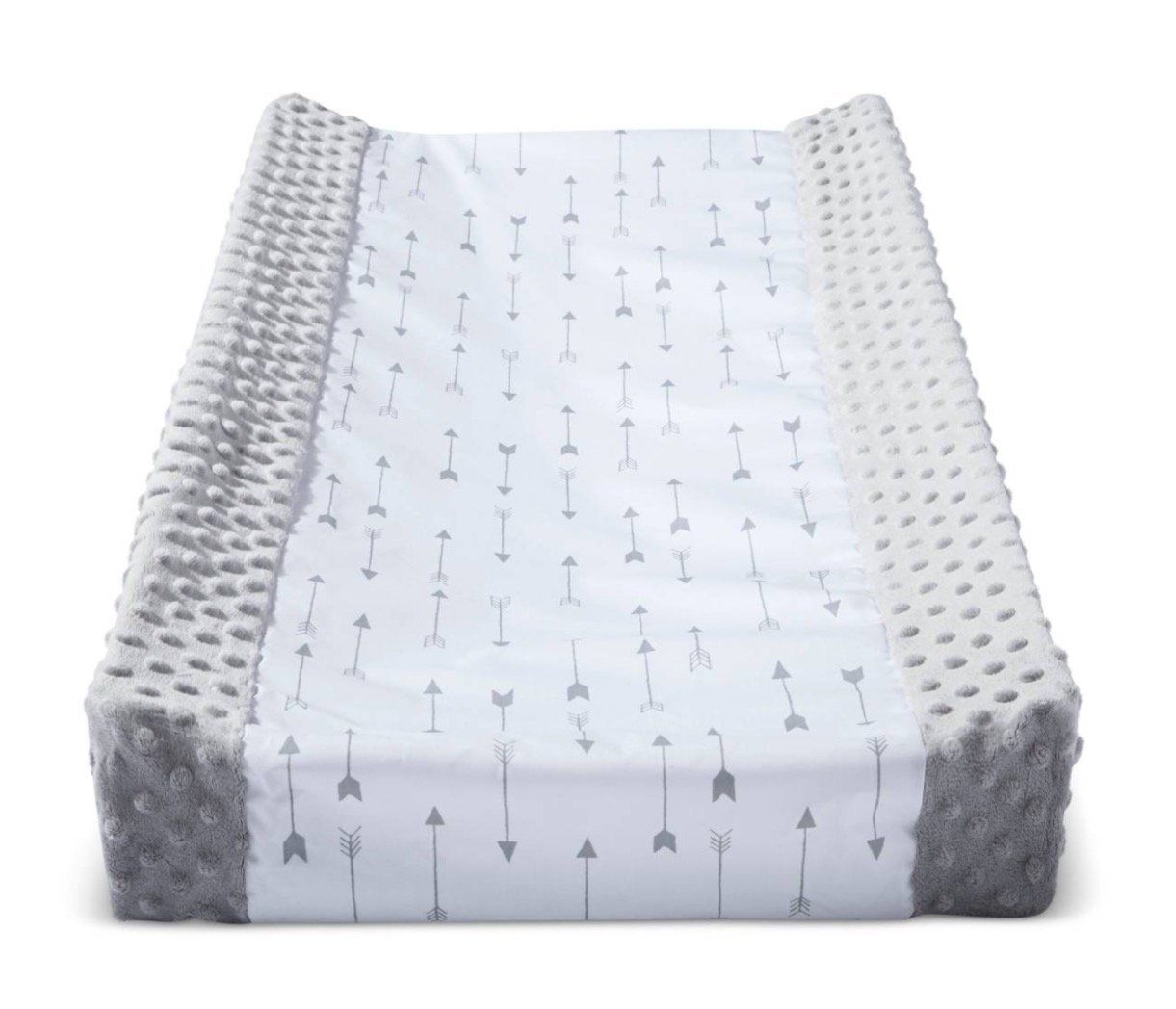
A changing pad and covers for it. Baby will spend a lot of time on this. They have covers that are a little more plastic-y so you can WIPE them instead of washing them every time they get a little poop on them (which is all the time) AND that way you can skip the “waterproof changing pad liners.” which means less laundry! Woo! Worth every extra cent, and it still seems pretty comfy.
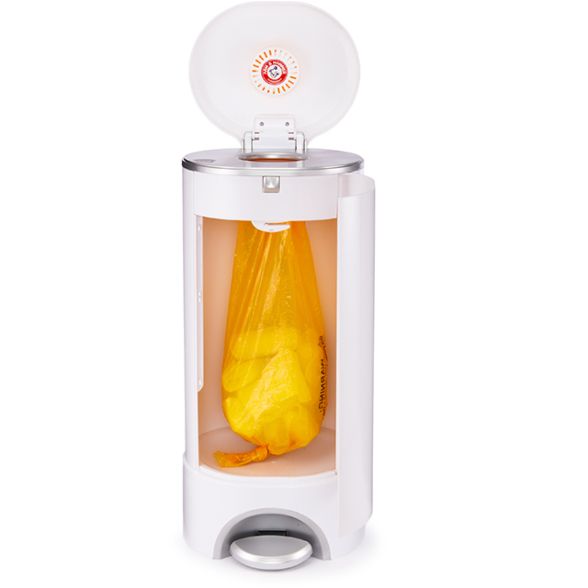
Some sort of diaper pail - or anything you feel confident will seal the smell of poop in until you get a chance to empty the trash. Which you’ll be trying to do with a baby in one hand, so it might be less often than you think.
- If you get the Munchkin Diaper Pail you should also get some refill bags and Arm and Hammer odor pucks. The regular bags seem much more efficient and cost-effective than the snap-and-seal version and not much more complicated to use.
- Also works: any trash bin with a lid and a plastic bag inside. The kind you can open with your foot is ideal.
Luxury Extra: A space heater, especially if you have a winter baby. For diaper changes and after baths, because cold babies are generally not happy babies. Just keep in mind this is a fire hazard if left unattended so remember to turn it off! Space heaters are so good at calming babies that I even bring them to my newborn photoshoots.
Bottle Feeding
Remember that even if you are hell-bent on nursing until Baby goes to college, almost everyone uses a bottle at some point even if it’s full of pumped milk, so you probably still need bottle-feeding equipment.
- A glider or rocking chair for nursing, soothing, or feeding. You are likely going to spend a lot of time in this for years to come so it is probably worth it to spend more money on something nice. I would recommend something with soft arms because if Baby falls asleep and your arm is on the rest, it’s not moving for a while. And if Baby is fussy and squirmy, you don’t want to have to worry about him smacking his head on a wooden arm. Gliding or rocking is a must. Some sort of footrest is a nice bonus as well. Also, a swivel is great because if you have your phone or water bottle on the table next to you but you have the wrong hand free, you can swivel over to it!
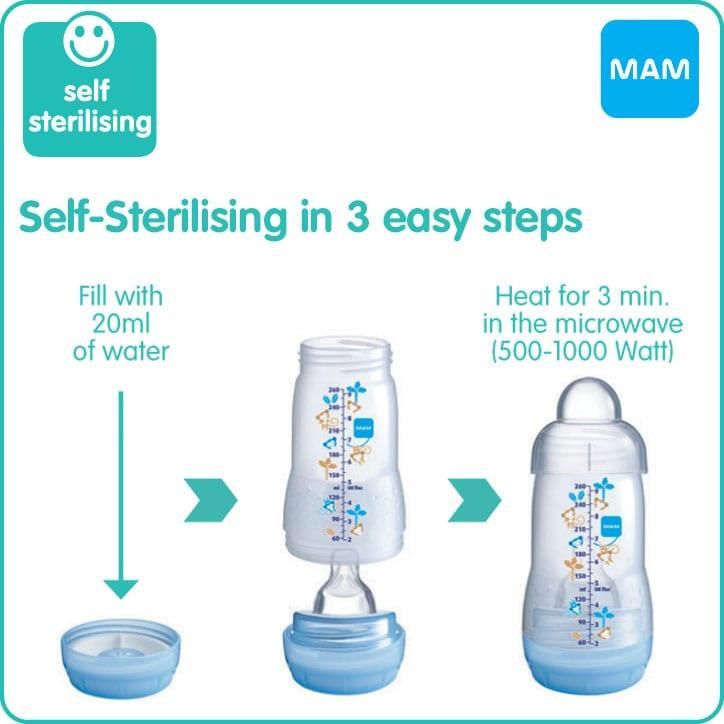
- Bottles: you will probably get free samples once your algorithm figures out that you’re pregnant, which makes it easier to try a few brands. I don’t think there’s a right or wrong choice. We used Mam for Baby #1 and Dr. Brown’s for Baby #2. The main thing is you don’t want Baby to swallow a lot of air while feeding and he might for whatever reason respond to a certain shape or system better. Keep in mind nipples come in different “speeds” so pick whatever is appropriate for your baby’s age, usually starting with the slowest.
- Some sort of setup to sterilize/clean/brush/dry bottles (and other pumping/feeding equipment). This might seem like all you do for the first few months. You don’t necessarily need all this stuff, but figure out a setup that works efficiently. Some basic options are:
1) Self-sterilizing bottles (like Mam)
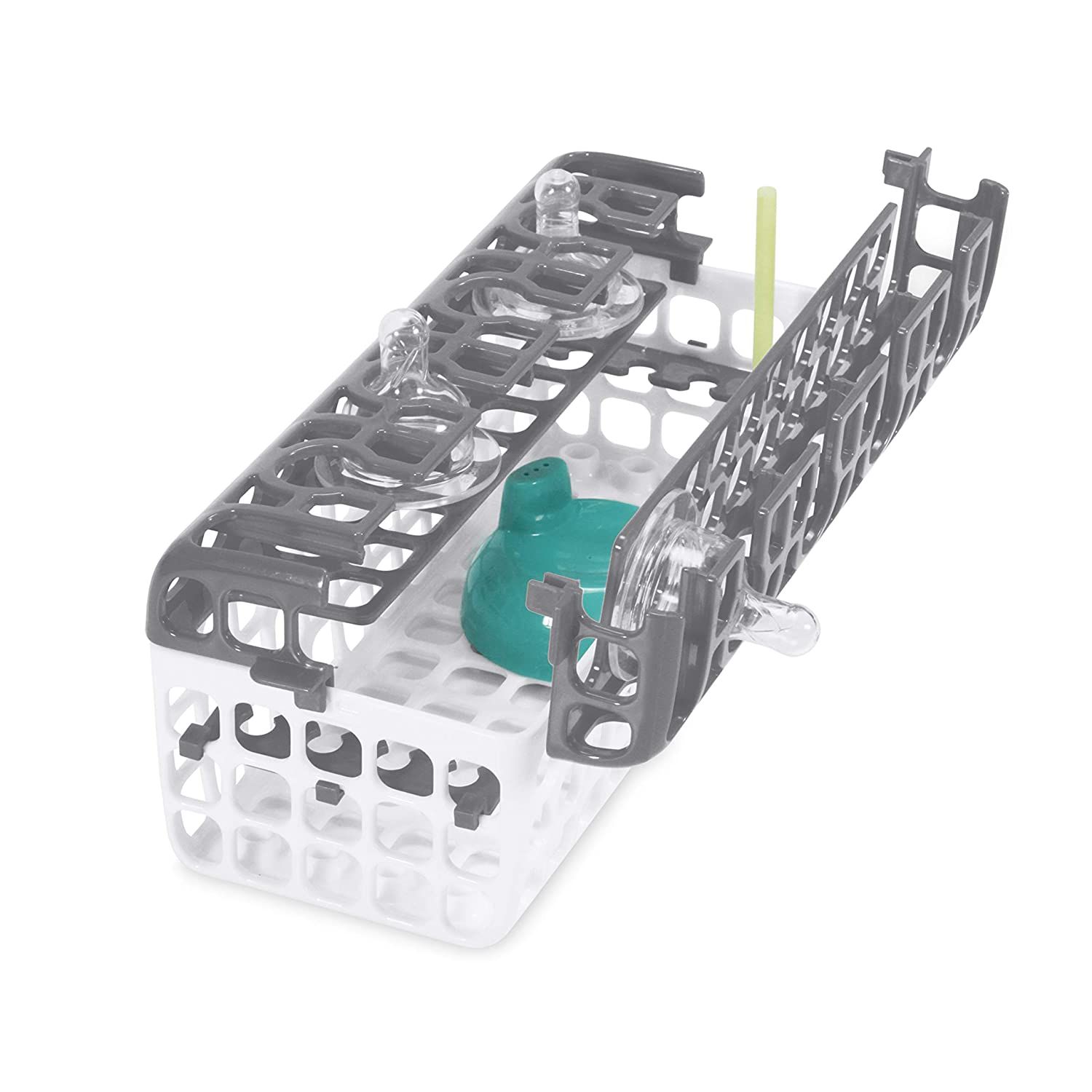
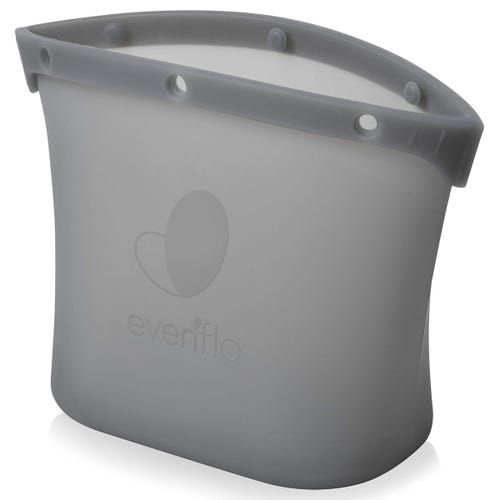
4) Hand-washing in the sink with a bottle brush
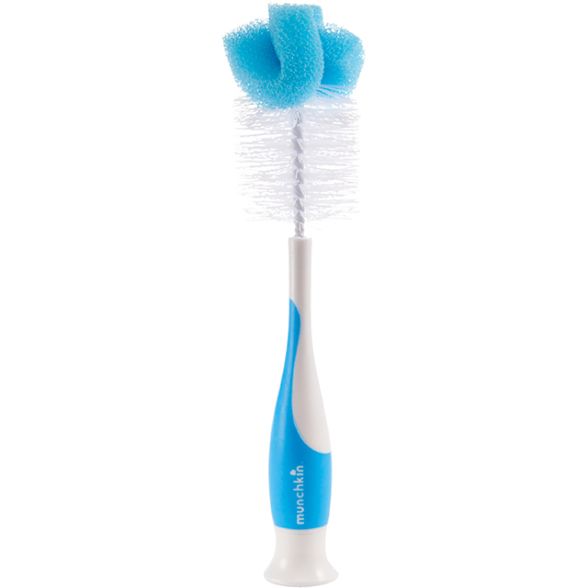
- Also works: Most regular adult stuff would probably work, but, consider getting things that are easily recognizable as “baby stuff” anyway because you might not want to clean the sink drain out with the same brush you use for your newborn's bottles.
Formula Feeding
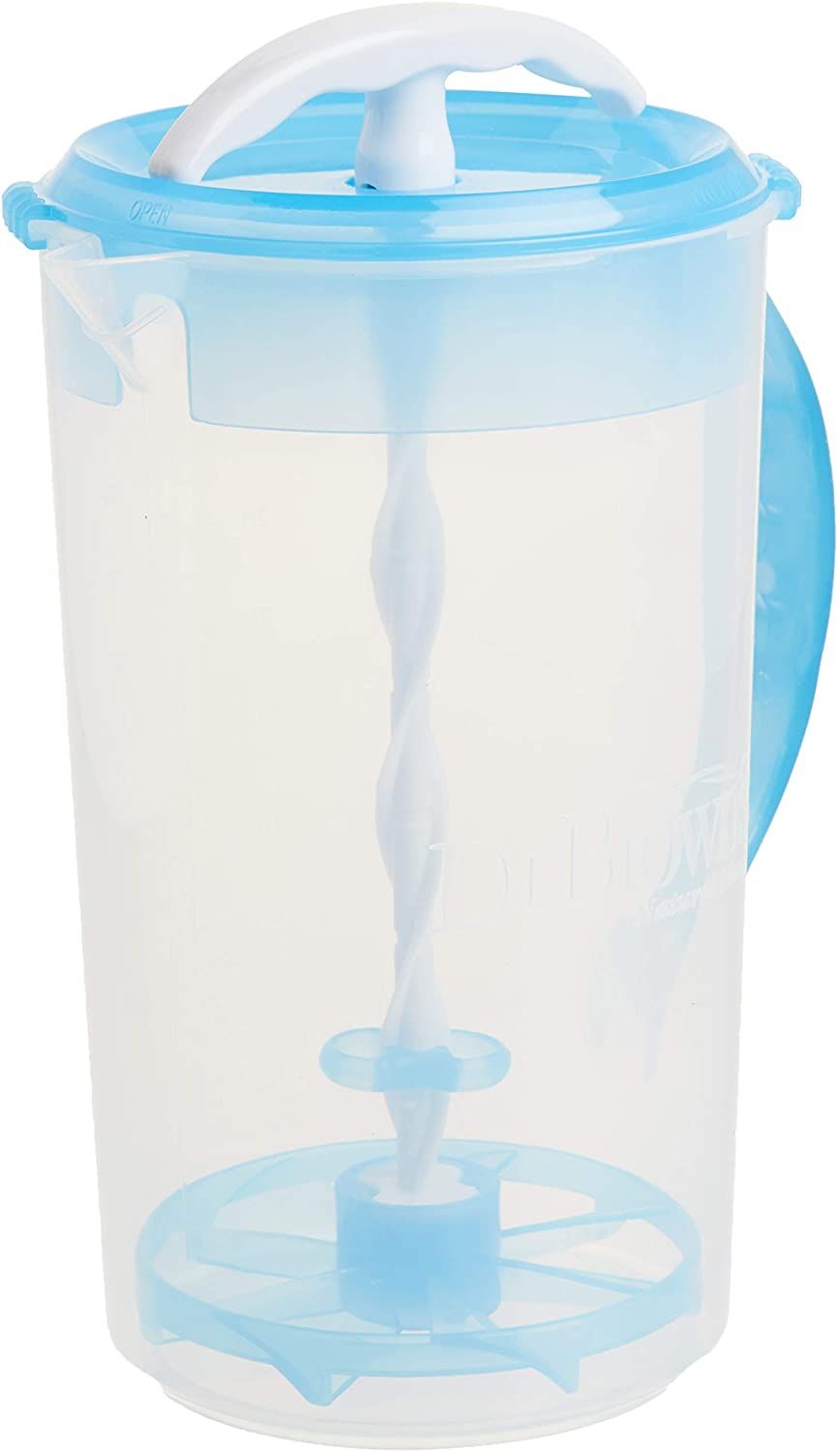
Things to keep in mind about formula powder: Once you mix it, you’re on the clock. It goes “bad” faster than breast milk. It has to go in the fridge pretty soon after mixing it, but some babies won’t drink cold milk. And it’s hard to warm it up in a way that’s both fast and safe. If you make a big batch ahead of time, you run the risk of having it “expire” before you use it all, or making the very common overtired parent mistake of losing count of how many scoops of powder you put in halfway through. Basically, it’s complicated.
- A formula mixing pitcher for making big batches (not necessary but helpful)
- Some sort of system for warming formula that works for you. When it’s the middle of the night and the baby starts crying, minutes matter. You have to get that formula from the fridge to drinkable temperature FAST. Some options include a bottle warmer (most, like this one, have mediocre reviews), dunking the bottle in a bowl of hot water, winning the jackpot with a kid who is actually fine with cold milk, or buying premixed formula you can keep at room-temperature (an expensive option we used for our colicky and temperature-sensitive firstborn).
- Luxury upgrade: A bottle warmer/formula mixer combo. The Baby Brezza is like a Keurig for formula. It requires frequent cleaning and can make you a little paranoid about whether to trust that it’s mixing the right ratio, but it is so very convenient.
- Mom hack: For travel, if you are bringing cold formula/breast milk out and need to heat it up on the fly, find anywhere that serves tea and ask for a big cup of hot water (or order tea if they insist you buy something). Pop the bottle in the cup, swirl for a minute, and you should be good.
- Mom hack: You can get a bottle in a cup of hot water quickly at home by using the microwave or an electric kettle to heat up the water, which works faster than the stove and with less mess.
Clothes
People will probably get you adorable clothes and you will buy cute outfits because that’s half the point of having a baby. But from a practical standpoint…
Fun fact #1: You might wonder why so many baby items are labeled “snug fit” versus “flame resistant." There is controversy about whether to make baby clothes “flame resistant” because the chemical involved in doing that might be dangerous to babies in itself. Items are often made "snug fit" because they are not treated with flame resistant chemicals and making them tight theoretically makes them less likely to dangle into a fire.
Fun fact #2: Sizing is generally “up to” an age, not the age of your baby. So "6 month" clothes are made for babies 3-6 months old, and Baby will generally grow out of his “9 month” stuff right around when he turns 9 months old. To make things more confusing, “Newborn” size is different (smaller) than “0-3 months” size; babies usually start out in newborn clothes then grow out of them almost immediately.
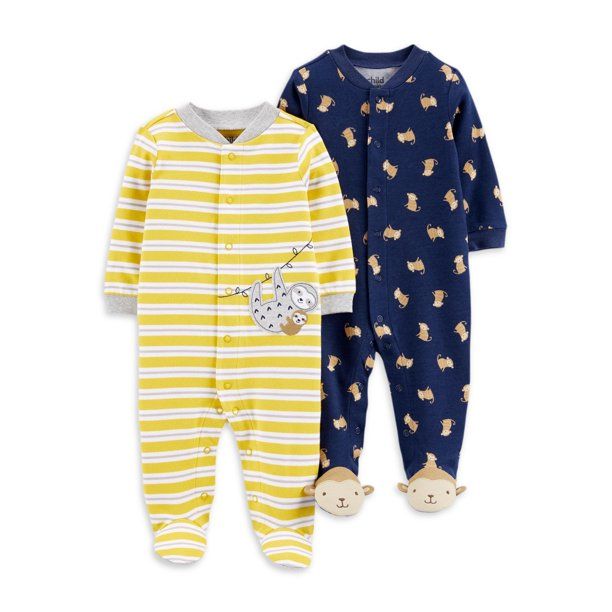
- Pajamas, all day. There is no one consistent name for these, because of trademarks, but they are sometimes called “footie pajamas” or “sleep-n-plays”. Basically any outfit that is one-piece and has feet (particularly for winter babies). Because socks do not stay on babies. And you will change the baby so many times at first that worrying about multiple layers or tops and bottoms is a lot, too. We liked terry cloth and stretch cotton ones were because they absorbed some of the spit-up and kept his skin drier. In order of most-to-least convenient types of footie pajamas:
- Magnetic closure (expensive but awesome)
- 2-way Zippers (from the bottom and the top)
- Zippers from just the top
- Snaps
- Buttons
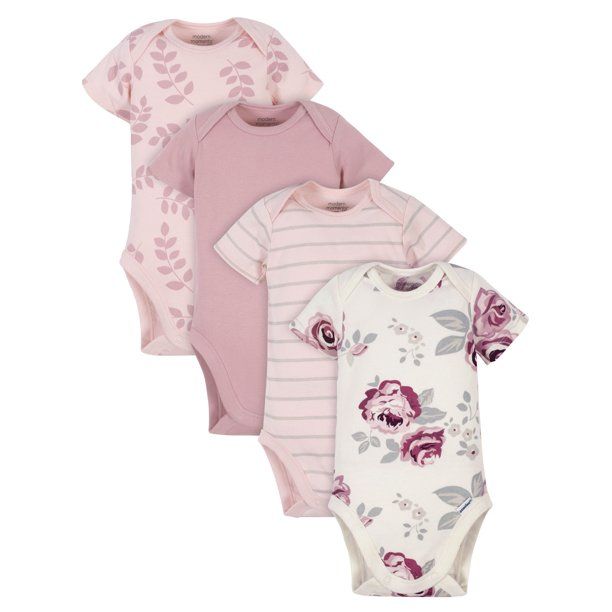
- “Onesies” or “body-suits” (another confusing trademark situation): These are nice particularly in colder weather, for layering, or warmer weather as their main outfit. Or if you don’t like the idea of zippers and snaps right up against newborn skin. You can buy these in bulk, for cheap. They will end up covered in bodily fluids. Gerber’s are the most well-known; they tend to run small.
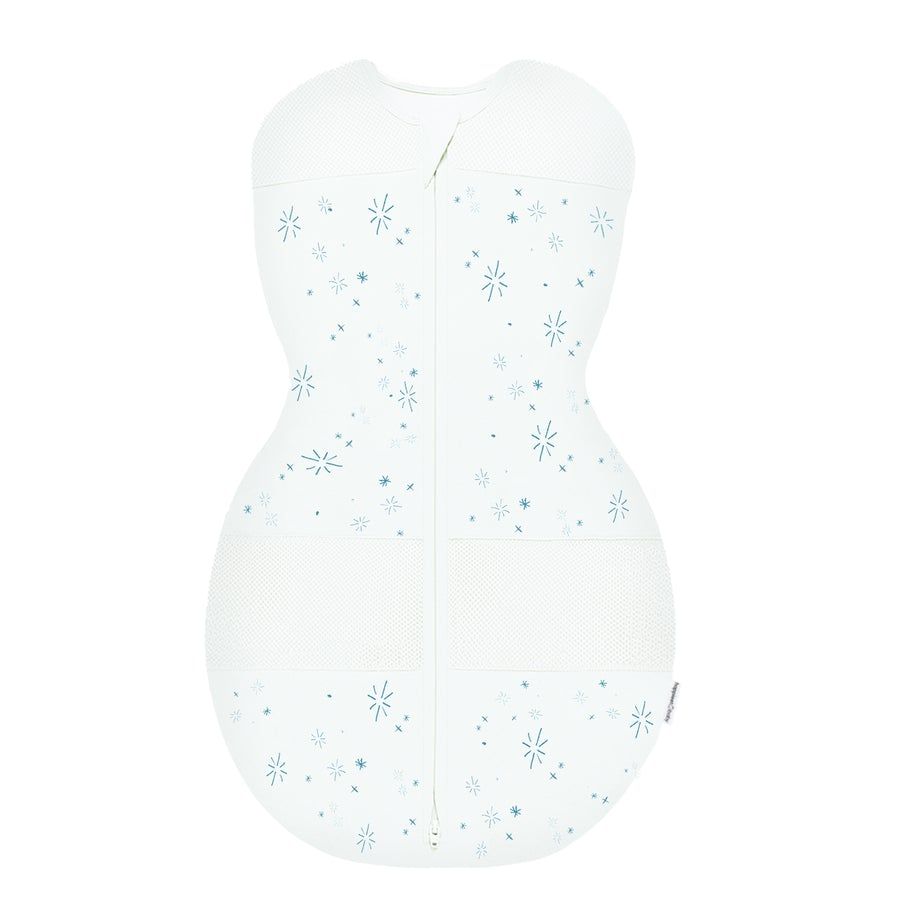
- Swaddles/Sleep Sacks – you can’t put real blankets in with the baby for a year (unless you are using them as swaddles), so this is what many people end up doing instead. They have ones that are just like wearable blanket vests and others with velcro that actually help you swaddle the baby (swaddling with regular blankets is much harder than the maternity nurses make it look). In our experience the SleepPea swaddle is the easiest and most effective for swaddling, but there are lots of options out there. You probably want a few of these because babies spit up and poop on everything. We used sleep sacks for Dylan until he was about 2 because he still couldn’t figure out how to use a blanket. Also, some people like that it prevents them from climbing out of the crib when they’re older. They even make ones with foot holes for older kids.
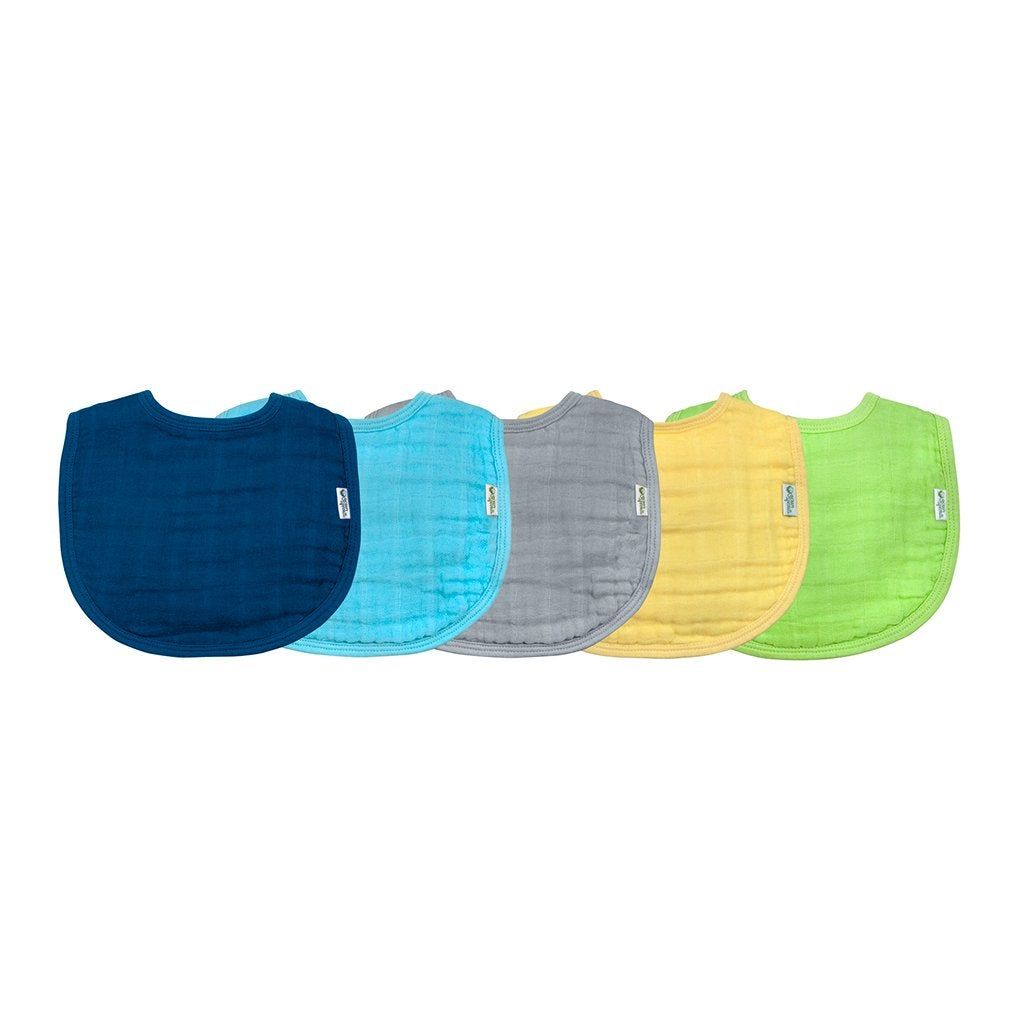
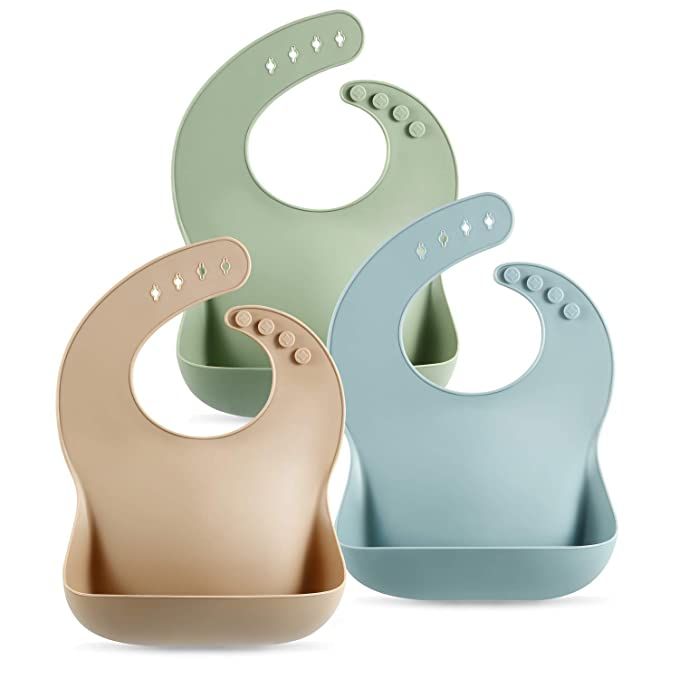
- Bibs: These are nice to have particularly if you have a spitty baby. You can change these out easier than changing a whole outfit. Remember to start with the smallest possible size because if it doesn’t fit snugly on the neck, the outfit will be soaked and smell like vomit/sour milk regardless of the bib. The more absorbent, the better (washing them once before you use them helps them absorb, too). Green Sprouts Muslin Bibs are my favorite because they are absorbent, and have snaps instead of velcro (which hold more reliably, don’t irritate baby’s neck, and don’t stick to everything in the wash). They also have multiple snaps so you can adjust the size as Baby grows.
- Toddler update: For older babies, you will want something wipeable with a little catch bucket for food.
Toys
You don’t really need toys for the first few months; they don’t even know they have hands at first. They mostly enjoy eating and staring at your face. But if you want to get a head start…
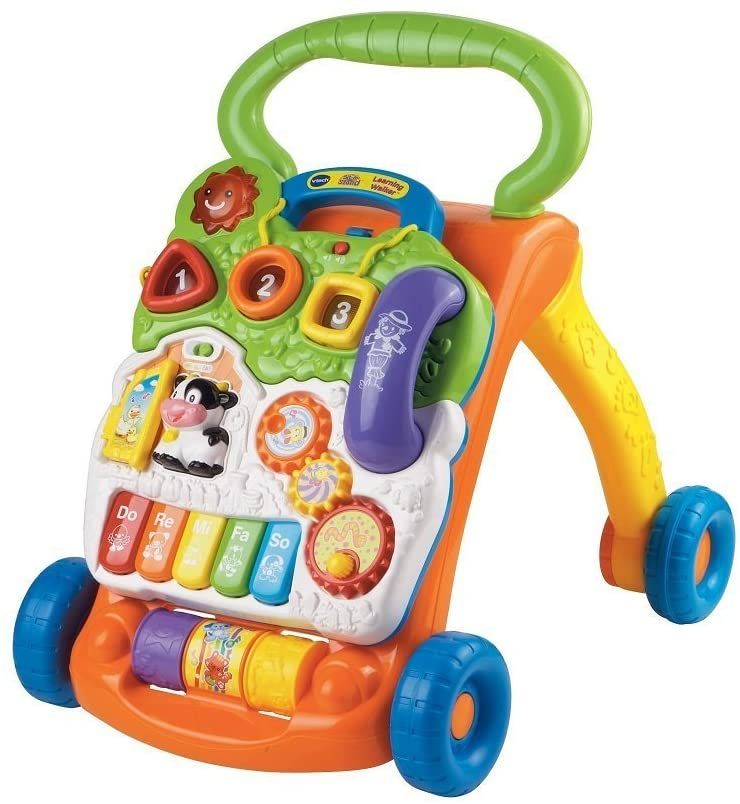
- The Learning Farm. It's ugly and the song will drive you crazy. But it might be my kids' most-used toy over 7 years of having babies in the house.
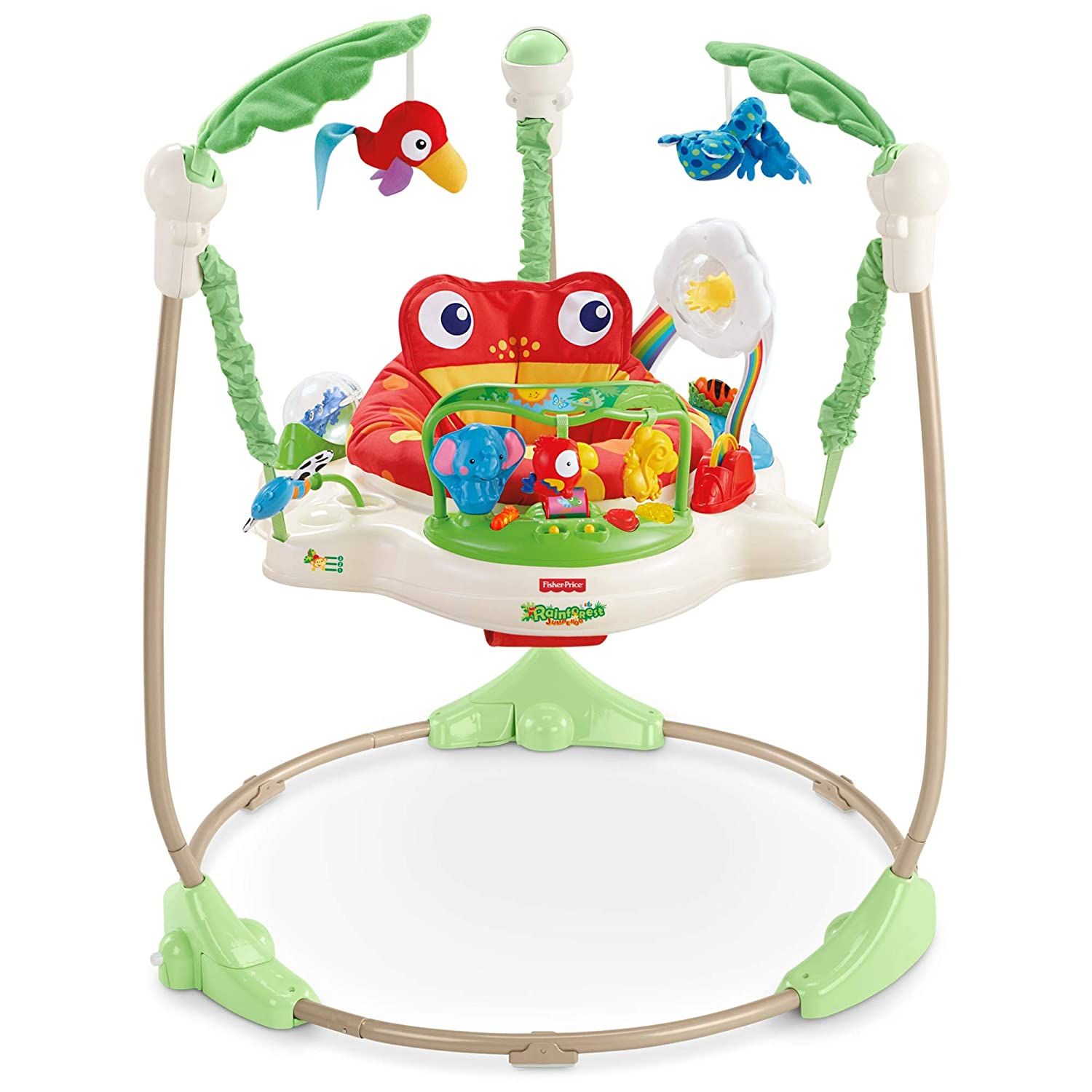
- Jumparoo (or something like it). This thing is expensive, but again, pure gold for getting some hands-free time while they’re awake.
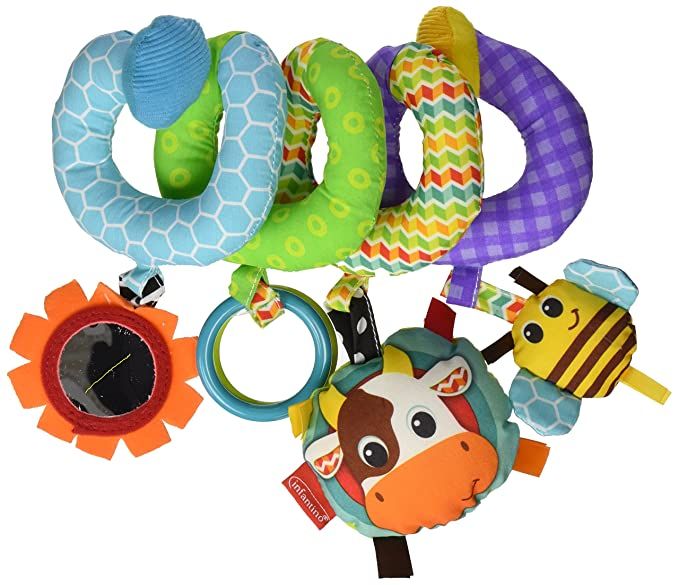
Car-seat handle toys – great for when they stop automatically sleeping in the car-seat…and start fussing instead.
For Mom
- Maxi pads: They’ll give you the huge sizes at the hospital. You will probably start with heavy and want a variety to work your way down to light flow for post-partum bleeding.
- Witch hazel pads: Particularly after vaginal delivery. Despite what the package says, don’t use the witch hazel as a “wipe,” just stack it on top of the maxi-pads like meat in a deli sandwich.
- Make sure they don’t forget to give you/tell you about the little “squirt bottle” in the hospital for when you use the bathroom. If they don’t give you one, any cheap water bottle with a squirt-style top should do the trick. Traditional “wiping” is not going to be what you want to do for the first few days.
- Luxury upgrade: Frida Mom actually makes a kit of these products, but keep in mind you will probably get most of this stuff for free at the hospital so it might not be worth the extra money until you know what you need.
- Luxury upgrade: If you plan to take baths with the baby (and you might — “warm bath” seems to be the go-to the recommendation for everything from constipation to breastfeeding issues), a nice absorbent bathrobe for you is good because it’s hard to keep a real towel on and hold a slippery baby at once. And when your in-laws are visiting to meet the baby, that could get awkward fast.
Nursing Gear
Most nursing “gear” you do not need to buy upfront because you won’t know if you need it until you try nursing for a few sessions. Hospitals often have great breastfeeding support including lactation consultants and free products (shields, soothies, lanolin, etc.) but they might not offer it if they don’t know you are struggling. So speak up!
- Nipple ointment: Lanolin or Vaseline (or similar). Can be useful for irritated skin. Some people are allergic to lanolin, so if you’re having issues you might want to stick to Vaseline. They are both relatively safe to be ingested by newborns (NICUs use Vaseline for chapped lips on babies). Another widely recommended product is coconut oil which is moisturizing and supposedly has antimicrobial properties, is safe for ingestion, and smells amazing. However, it is “food” for microbes, too, and it’s possible that having this all over your body constantly might actually promote things like fungal infections. There is also something called “APNO” which is a compounded ointment that you need a prescription to get. Some hospitals/OBs/Lactation consultants are really familiar with it but others have never heard of it.
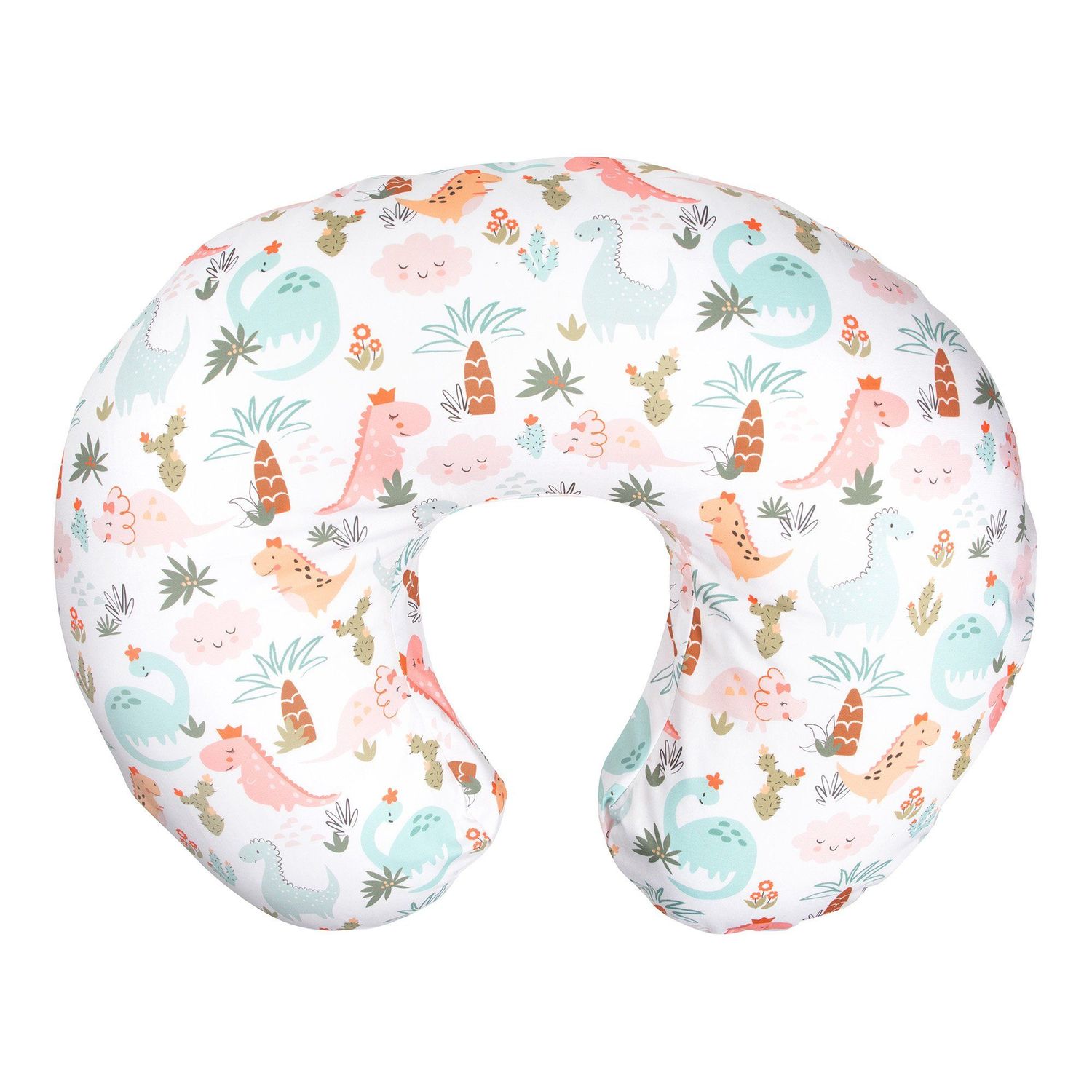
- Nursing pillow: Popular ones include the Boppy (or knockoffs in the same shape) and the My Brest Friend. I prefer the My Brest Friend because it clips in the back which makes it less likely for the baby to slip between you and the pillow. The Boppy is a little nicer for using as a prop for later when Baby is doing tummy time or learning to sit up. You might want a second cover so you always have one clean, or put something down (like a burp cloth) under the baby while he nurses because the process can be messy.
- Also works: Any bed or throw pillow.
- Mom hack: Don’t waste money on a “nursing cover.” Any blanket will work just fine.
There is a whole lot of stuff that comes with a new baby, and with all the names, trademarks, safety concerns, and variations it can get really confusing, fast. The urge to buy *all the things* can strike hard when your nesting instinct kicks in, but don't drive yourself crazy. Remember to focus on the basics (a car seat, something to catch bodily fluids, and a place to put the baby down when you need a free hand) and you can always get the rest as you get a better sense of what you need.