The Tokyo Connection
It's not everyday your friend moves to a foreign country and becomes a YouTube celebrity, but that's indeed what happened with my hubby's high school bestie, Dan.
Patrick had been talking about visiting Dan in Tokyo for a long time, but between weddings, kids, and pandemics, it just kept getting pushed off. This May, we finally had an opportunity to make a quick trip, and we jumped at the chance.
Patrick had never been anywhere in Asia, and while I had flown through Tokyo's airport a handful of times, I had never spent more than an overnight layover in Japan. So, as you can imagine, the only Japanese either of us knows probably came from watching "The Karate Kid." As usual, I did some research before packing to ensure that we were as prepared as possible for the trip, and learned a few things about packing for Japan.
- Japanese culture is fairly conservative. Women tend to wear conservative necklines and sleeves even in the warmer months. However, for some reason, shorter shorts or skirts are generally acceptable.
- Socks are a big deal! Many places will have you take your shoes off before entering, so it's important to be wearing clean, presentable socks.
- Most American appliances will work fine in Japan, but you do need an adaptor because the plugs are shaped differently.
- Crime is almost unheard of in Tokyo. Pickpocketing, for example, is simply not a concern anyone has there, so there's no need to focus on theft-proof items (like the zip-up crossbody bag I bought for Paris...but I still brought it because I'm obsessed and it fits my giant camera).
Fun stuff I/we watched in anticipation of our trip:
- The Reluctant Traveler (Tokyo episode)
- Lost in Translation
Our trip got off to a bit of a rocky start when our flight out of Boston was delayed the morning we were supposed to leave, which meant we would miss our connecting flight to Tokyo, so we ended up leaving a day later than expected. But then we were off, first flying from Boston to Newark early in the morning. My Dad was able to use some sort of magic perks after spending a career traveling for work to get us an upgrade for our first flight of the trip, and Patrick had his first-ever First Class experience! (First class on an hour-long domestic flight really doesn't mean much other than a slightly larger seat, but it was still pretty exciting). We also got to crash the First Class lounge, with a free breakfast buffet, so we felt like VIPs. If it was a little later in the morning we probably would have taken advantage of some free drinks, too!
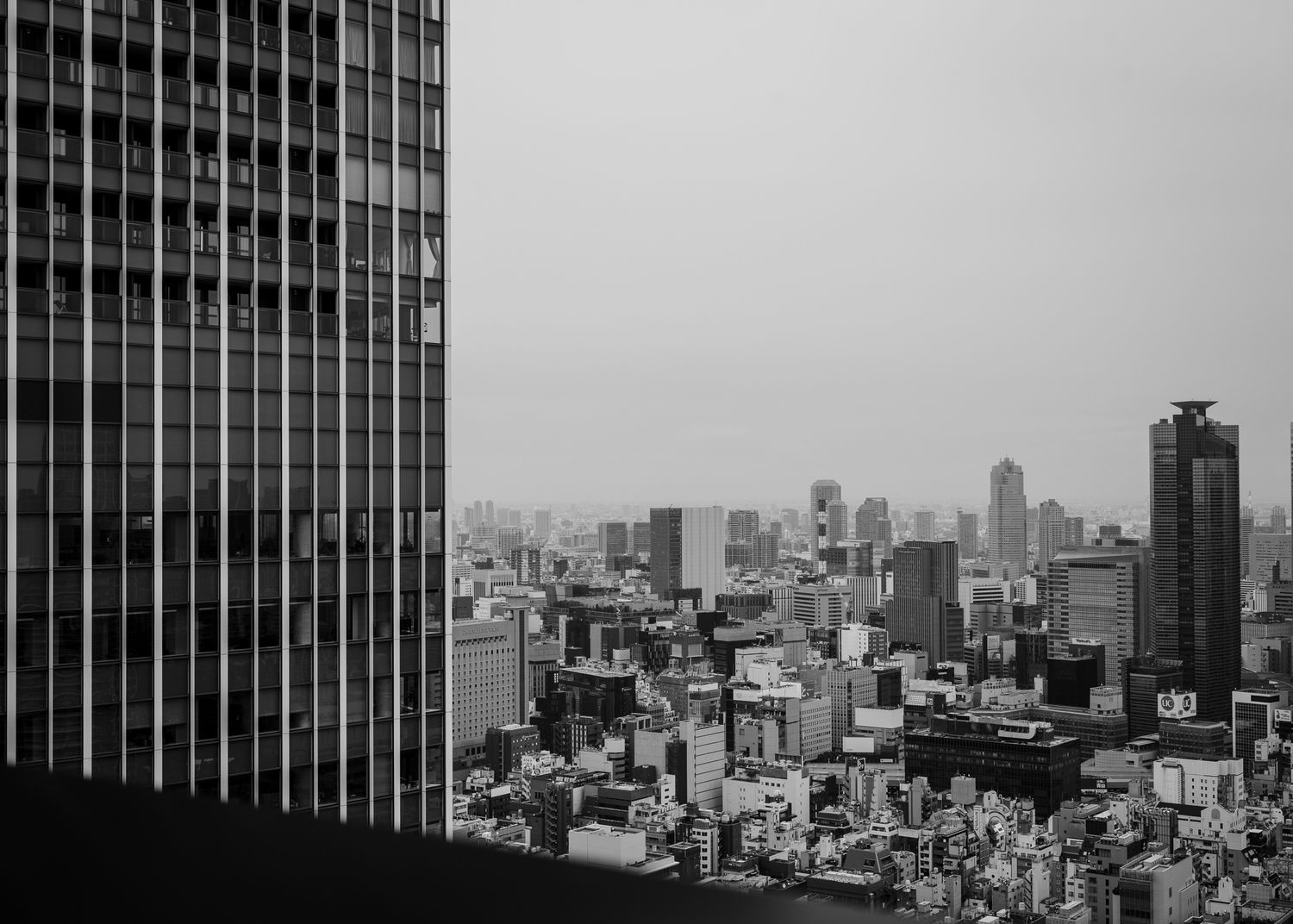
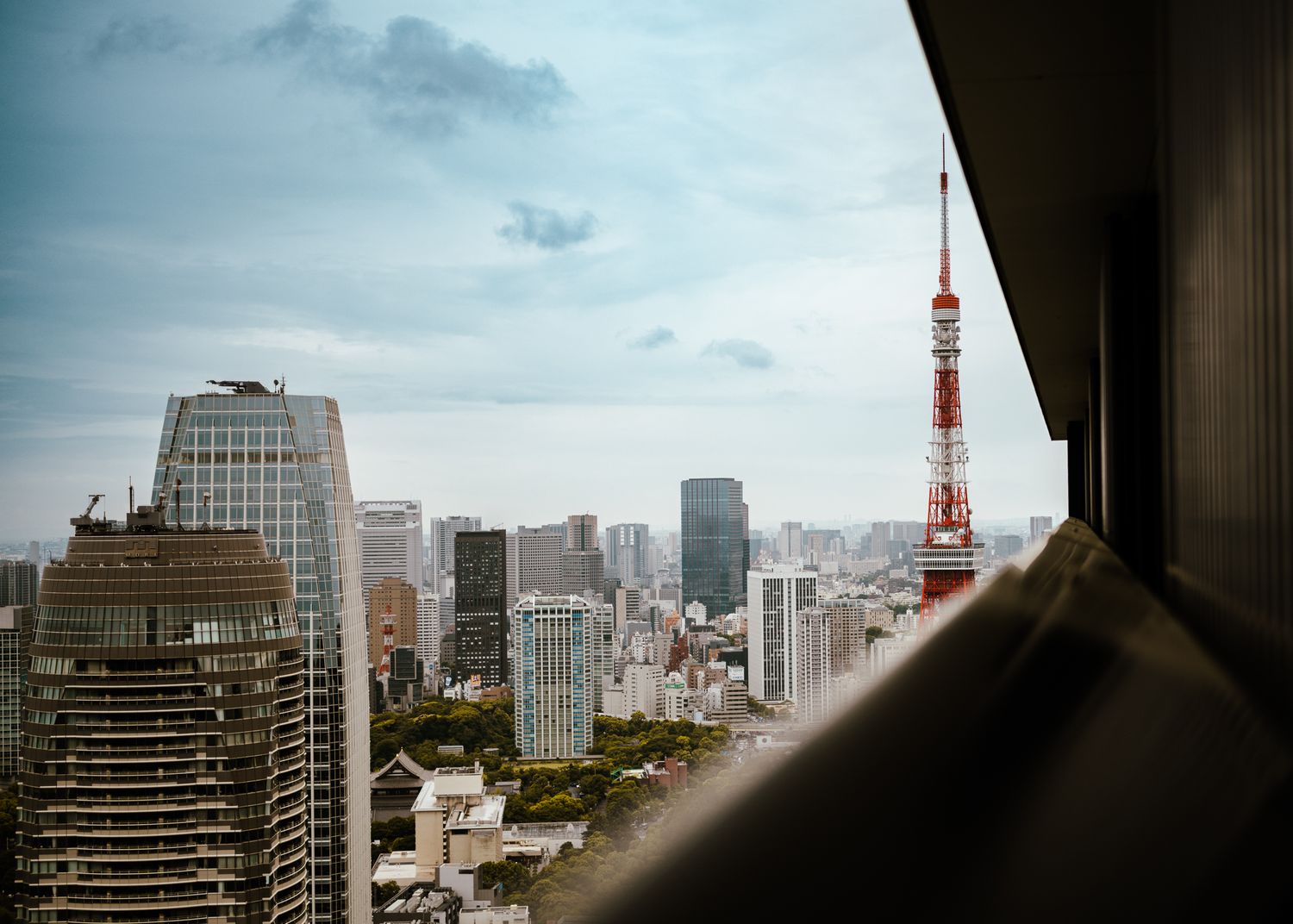
Next was the "overnight" flight to Tokyo. It's about a 14 hour flight, but because of the time difference we landed in Tokyo in the afternoon of the next calendar day. We grabbed a cab to Dan's building where we would stay in the "guest suite," basically a hotel room in the building for visitors. After being up for about 24 hours, our only goal on arrival was to stay awake long enough to have dinner with Dan after he got out of work. We switched on the TV in our room (sure enough, Sumo Wrestling was what came up immediately!) and checked out our amazing view.
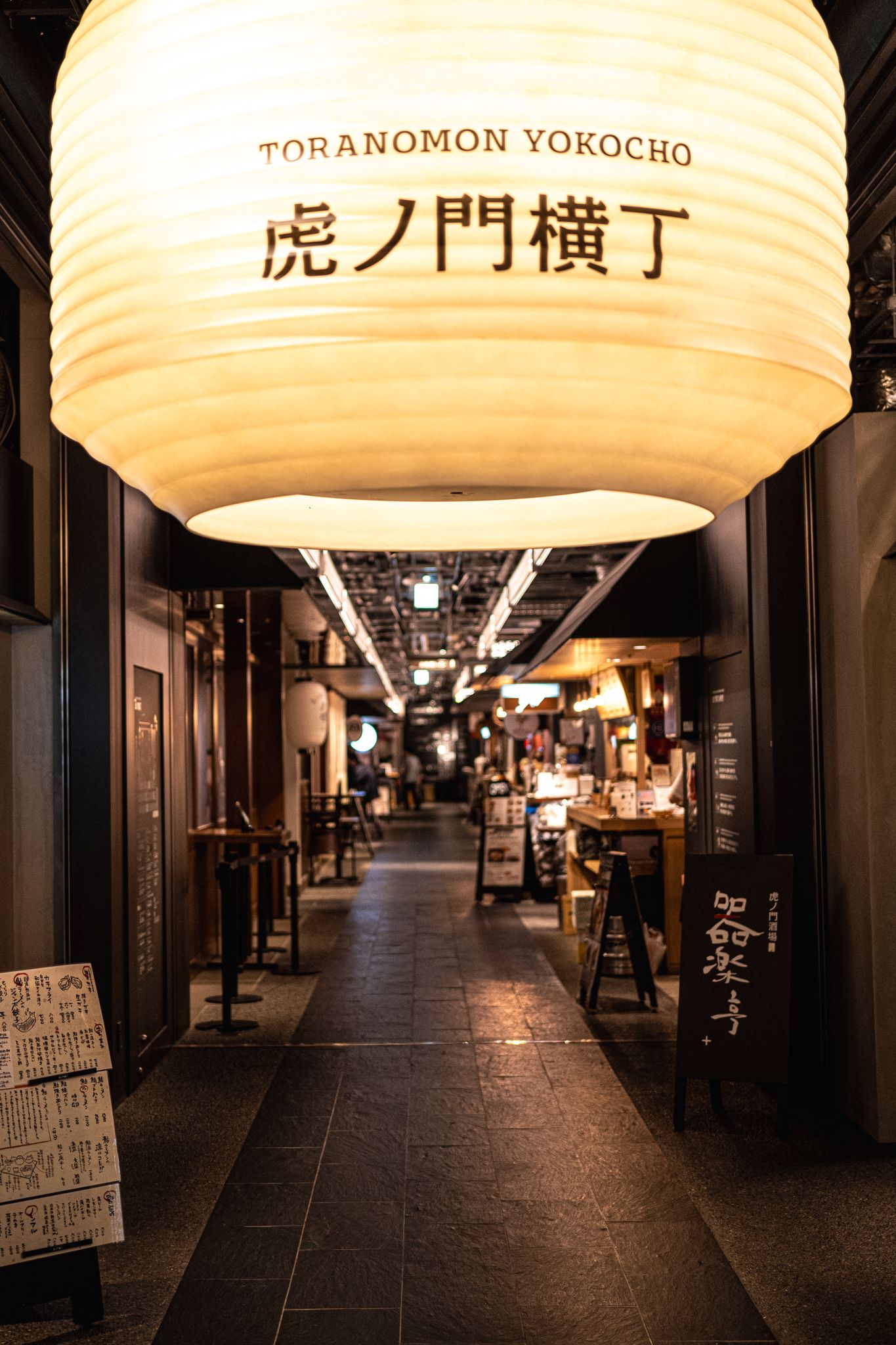
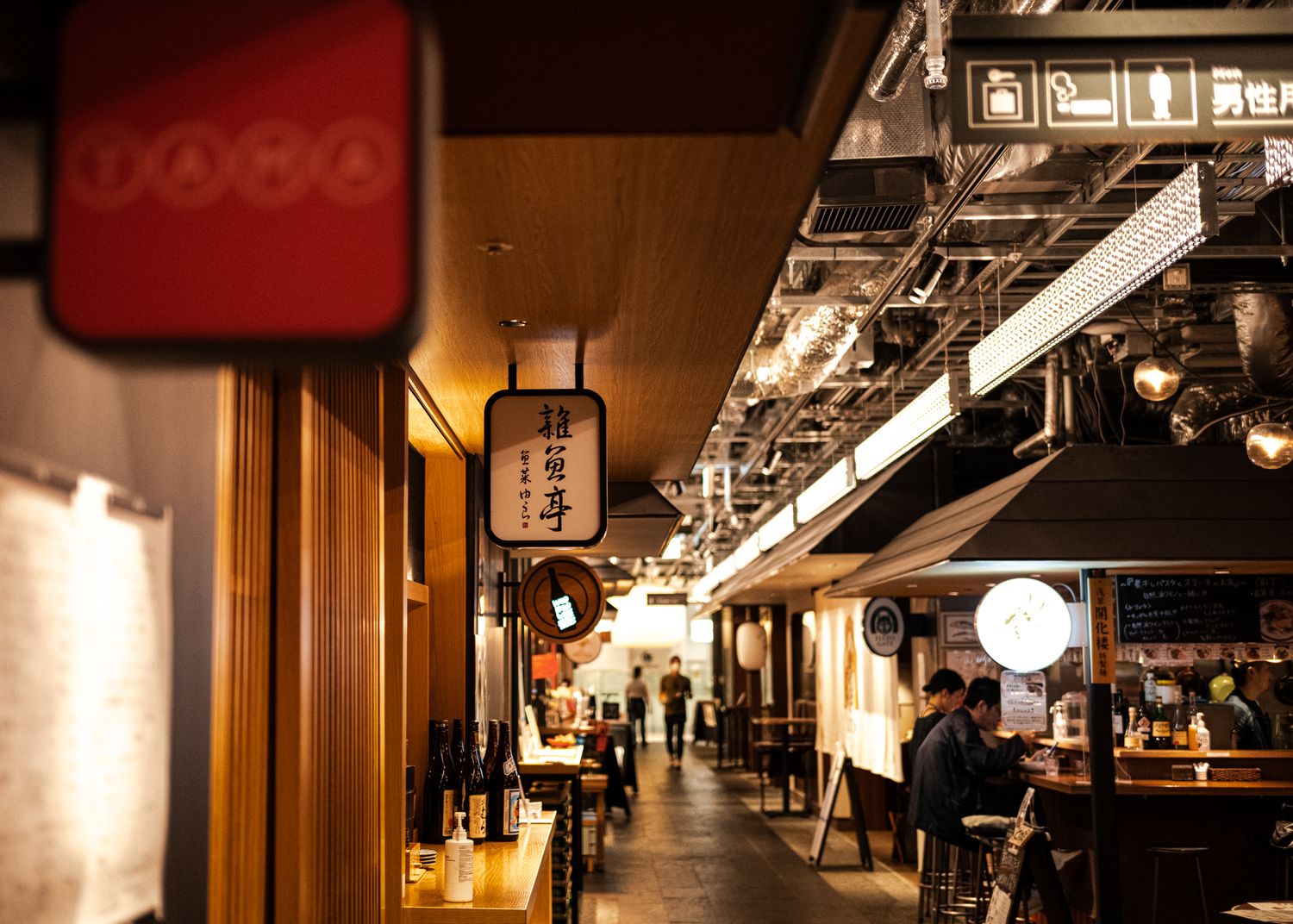
For our first dinner in Tokyo, we headed to Toranomon Yokocho, a gorgeous indoor food hall that looked like it could be an outdoor street market. It is thoughtfully set up to encourage sampling food from multiple establishments, wandering between restaurants, and socializing in their communal spaces.
First thing was certainly first: Sushi. We tried everything there was to try, and even Patrick, who normally doesn't stray far from the kids menu as far as "exotic foods" go, was eating fish eggs and eel with us. I was blown away by the fatty tuna, something I've never had in the US. We also sampled several types of sake and some Japanese beer.
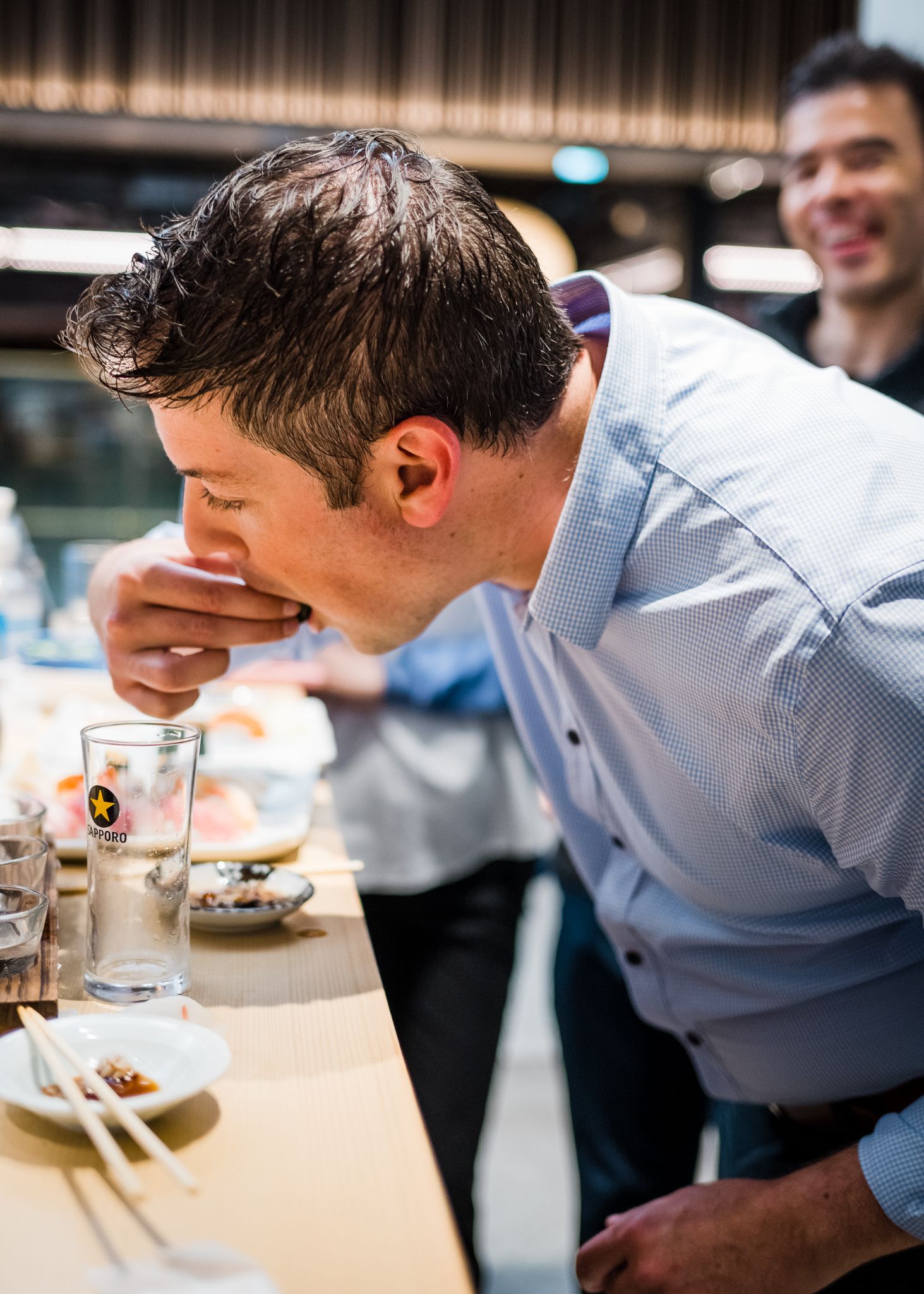
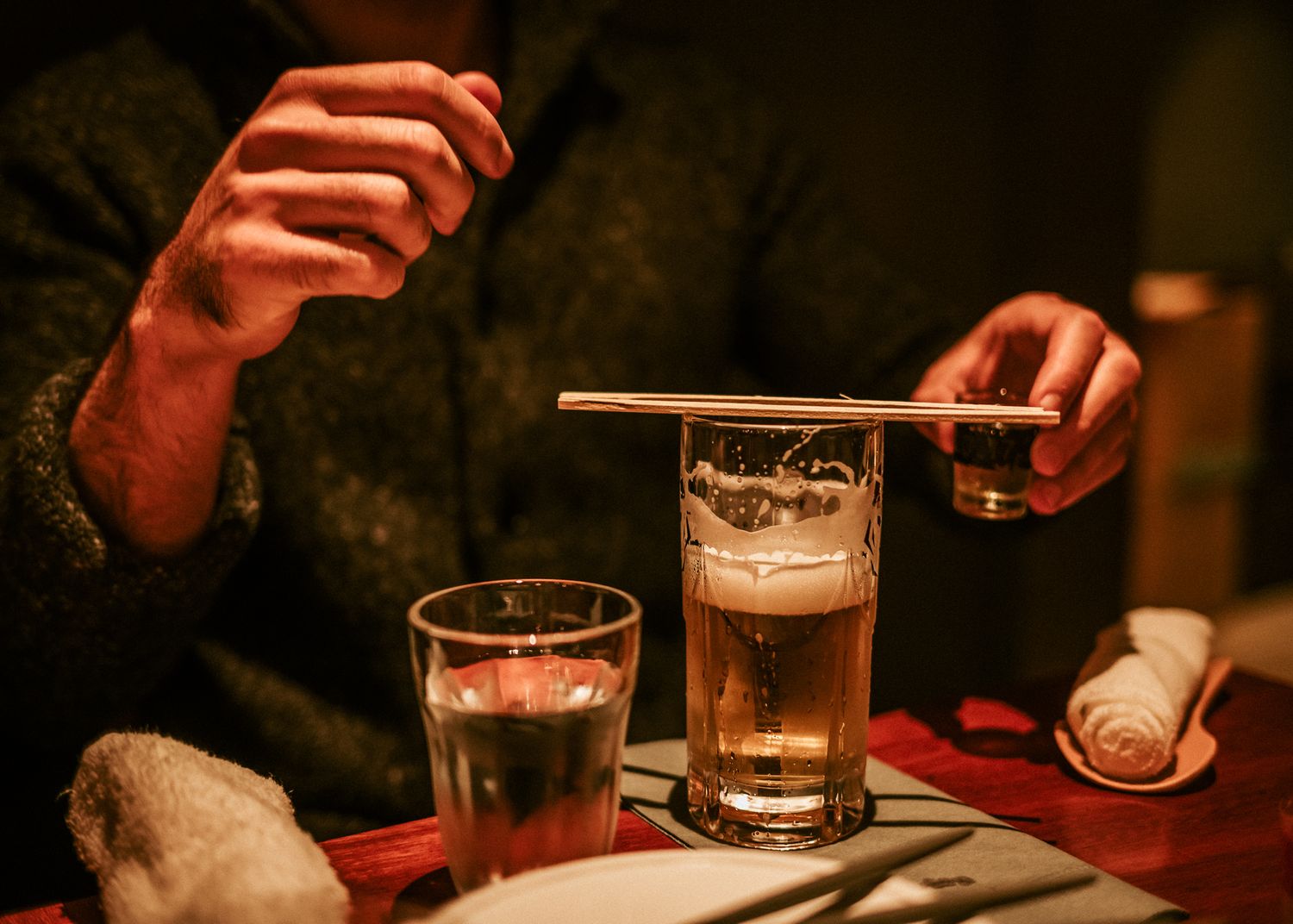
Next, we tried several Japanese delicacy meats, and I couldn't believe my eyes as Patrick tried things like liver and tongue. Once full, we moved on to one of the communal areas near a bar and, now that the sake and beer had been flowing, the topic of Sake Bombs came up. If you're not familiar, this is a very American tradition of balancing a shot glass full of sake on chopsticks atop of a glass partway filled with beer, banging on the table and yelling until the sake falls into the beer, then chugging the mixture. I had a deal with Pat that I would award him 100 Tourist Points (a completely made up currency) if he could get an actual Japanese person to do a Sake Bomb in Japan. So there we were at a bar in Tokyo, having his bilingual friend Dan try to describe the practice and the necessary tools to the befuddled Japanese bartender.
Morning in Tokyo
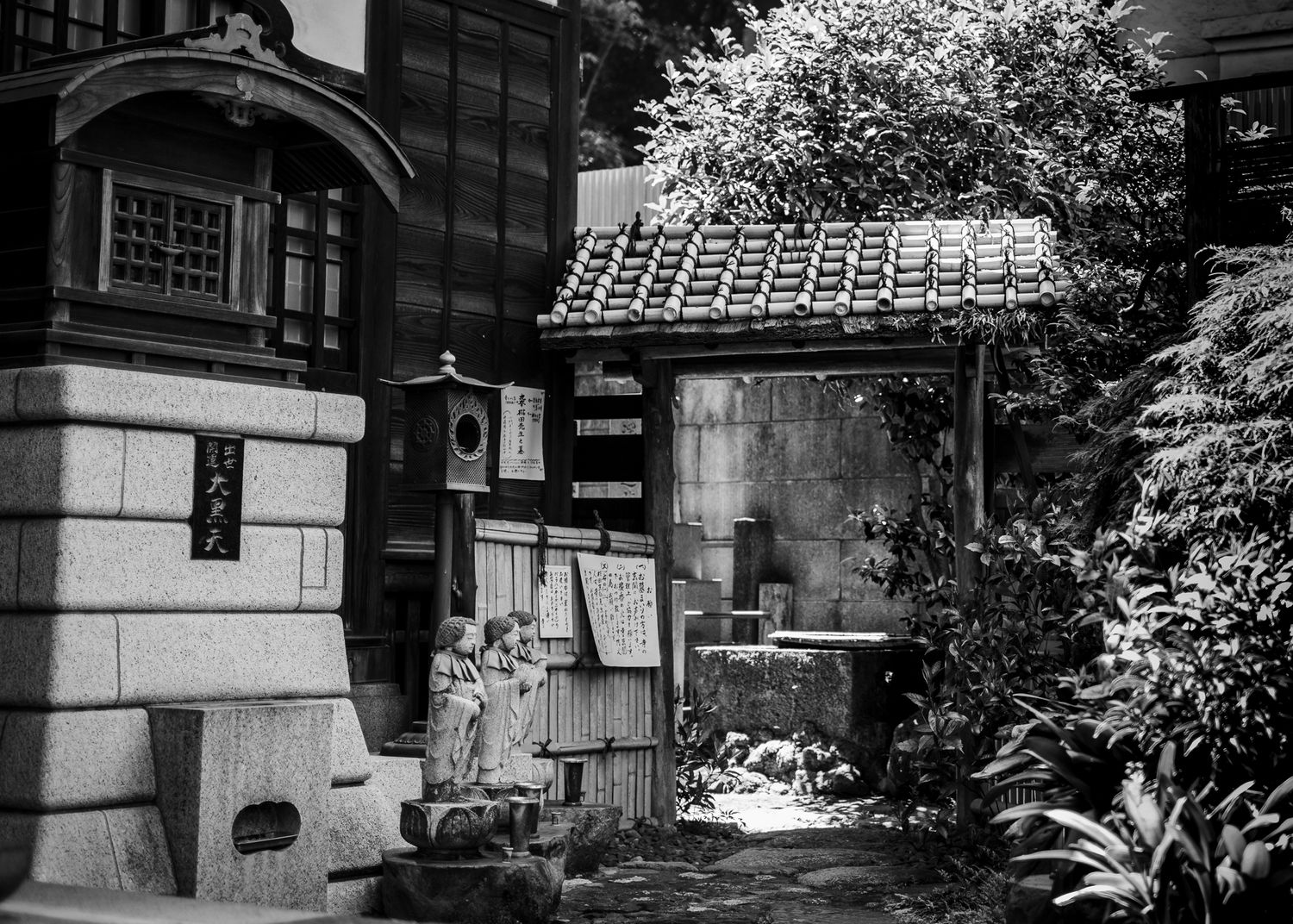
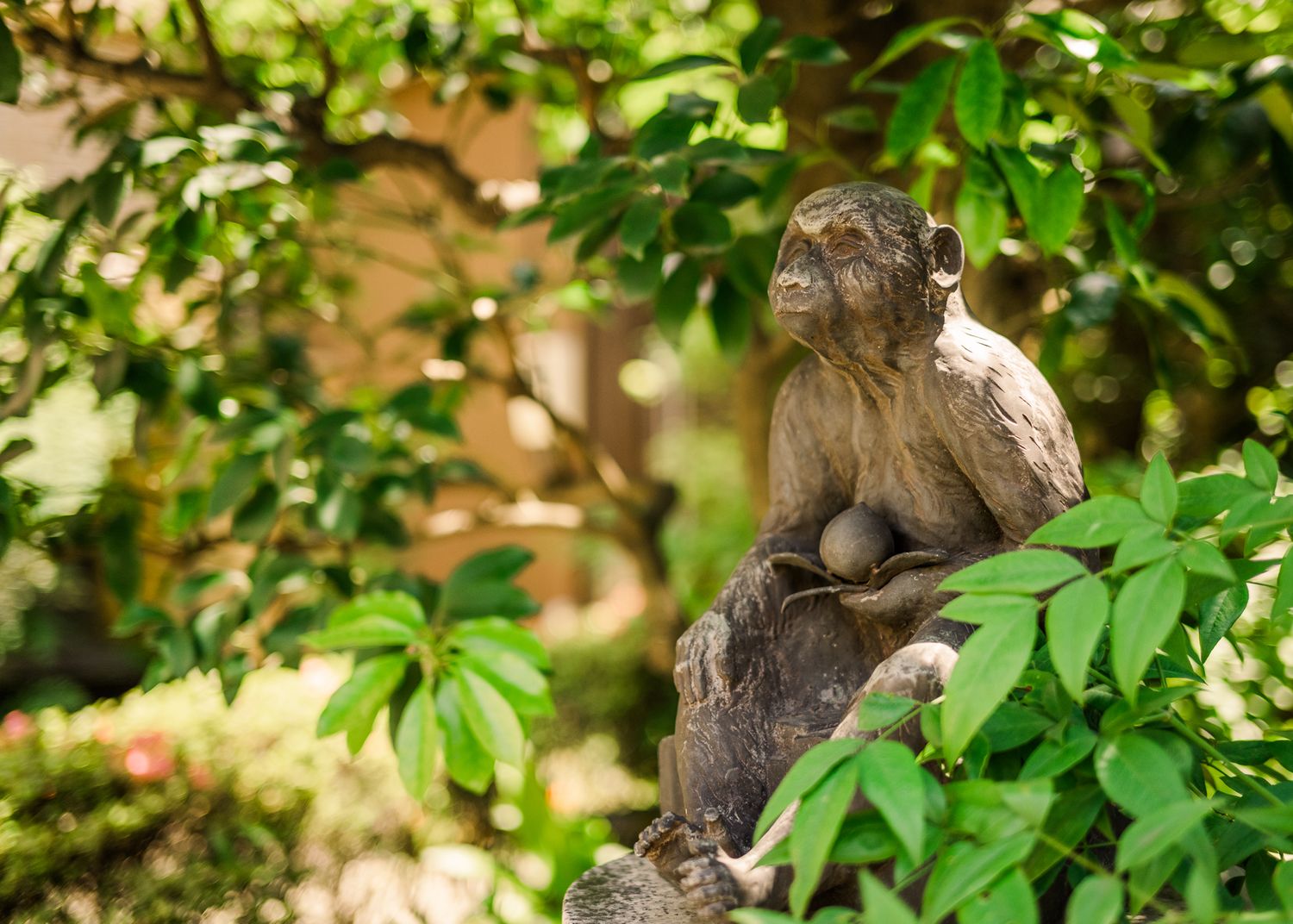
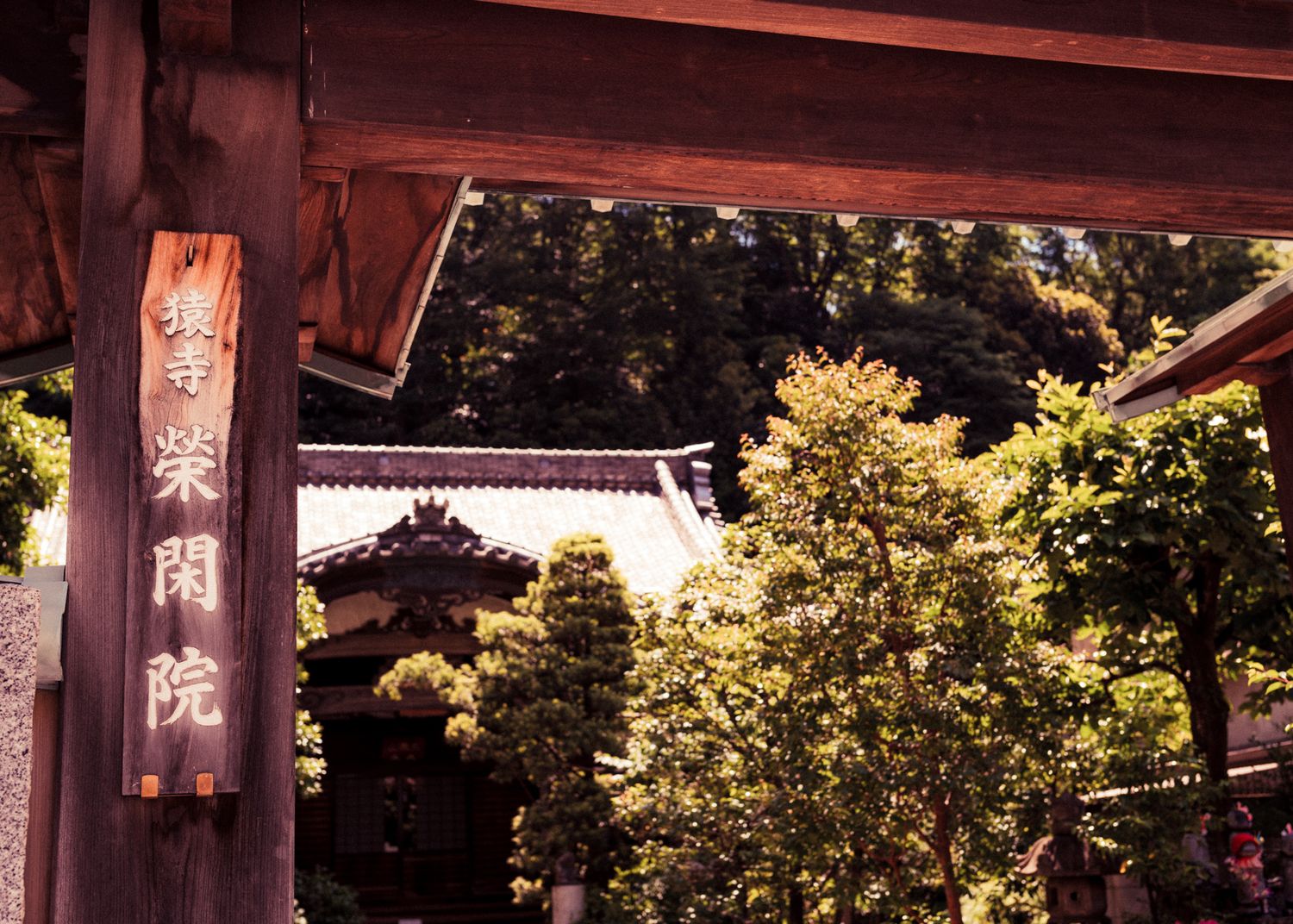
After a much needed night of sleep, we ventured out the following morning looking for some coffee. We found a perfect little café where we made a point to sit and drink our coffee because, like in France, eating and drinking on the move is not something people typically do in Japan. On our walk back we came upon a temple that seemingly appeared out of nowhere, which was such an interesting contrast to everything around it. It was Eikan-in Temple, which happens to house the grave of famous Japanese physician Sugita Genpaku.
On to Kyoto
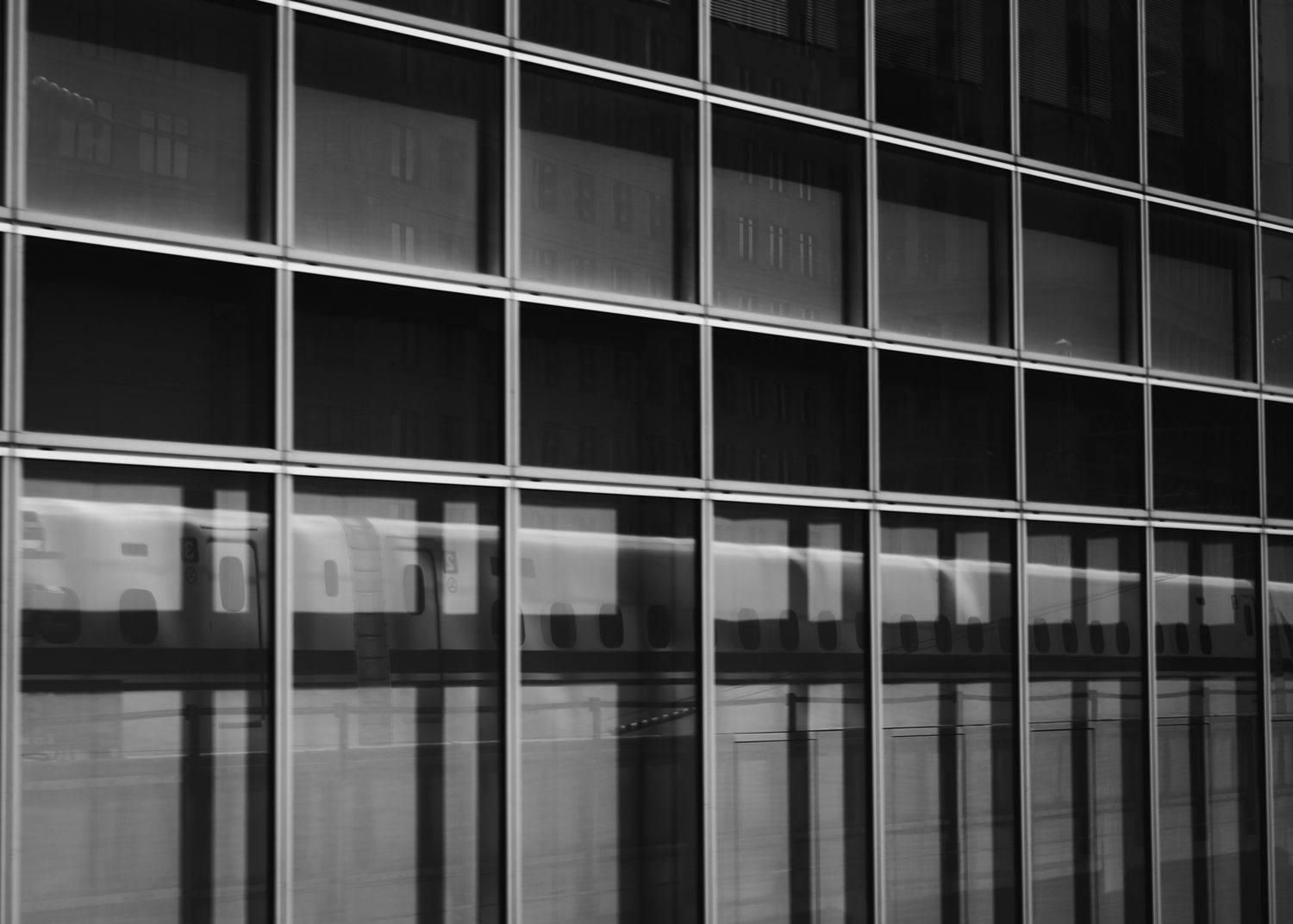
After a wonderful night in Tokyo, we were scheduled to take the bullet train to Kyoto the following morning. We decided to walk to the train station so that we could take in some of the sights on our way, and left with what we thought was plenty of time. However, we got a little bit confused when we got to the Tokyo train station which is, as we should have guessed, absolutely ginormous. I think we were both expecting there to be signs everywhere that said "Bullet Train," but we weren't that lucky. Just like we have the subway, the commuter rail, and inter-city trains like Amtrack in Boston, there are several different types of train lines in Tokyo. And, of course, they run out of different parts of the train station! The Bullet Train is actually called the Shinkansen (those are the signs we should have been looking for!), and the entrance for that part of the station was at the complete opposite side from where our GPS had taken us, so we missed our reserved train.
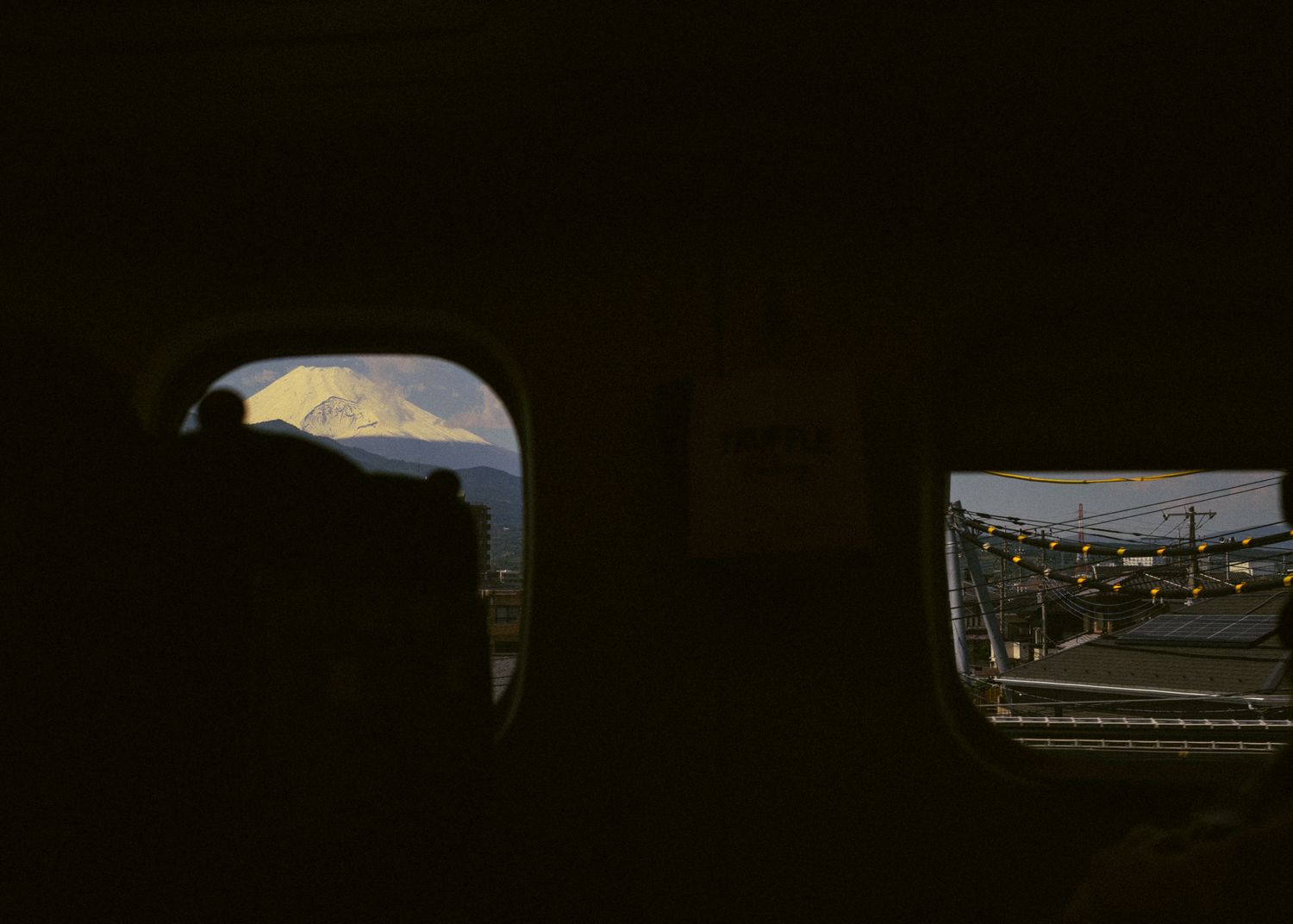
The great news was that each Bullet Train has several cars meant for passengers without prior reservations, and our reserved tickets could be used for any train that day. Phew. We hopped on the pristine Bullet Train, which travels at almost 200mph, and were in Kyoto in about two hours, during which we were treated to beautiful views of Mount Fuji.
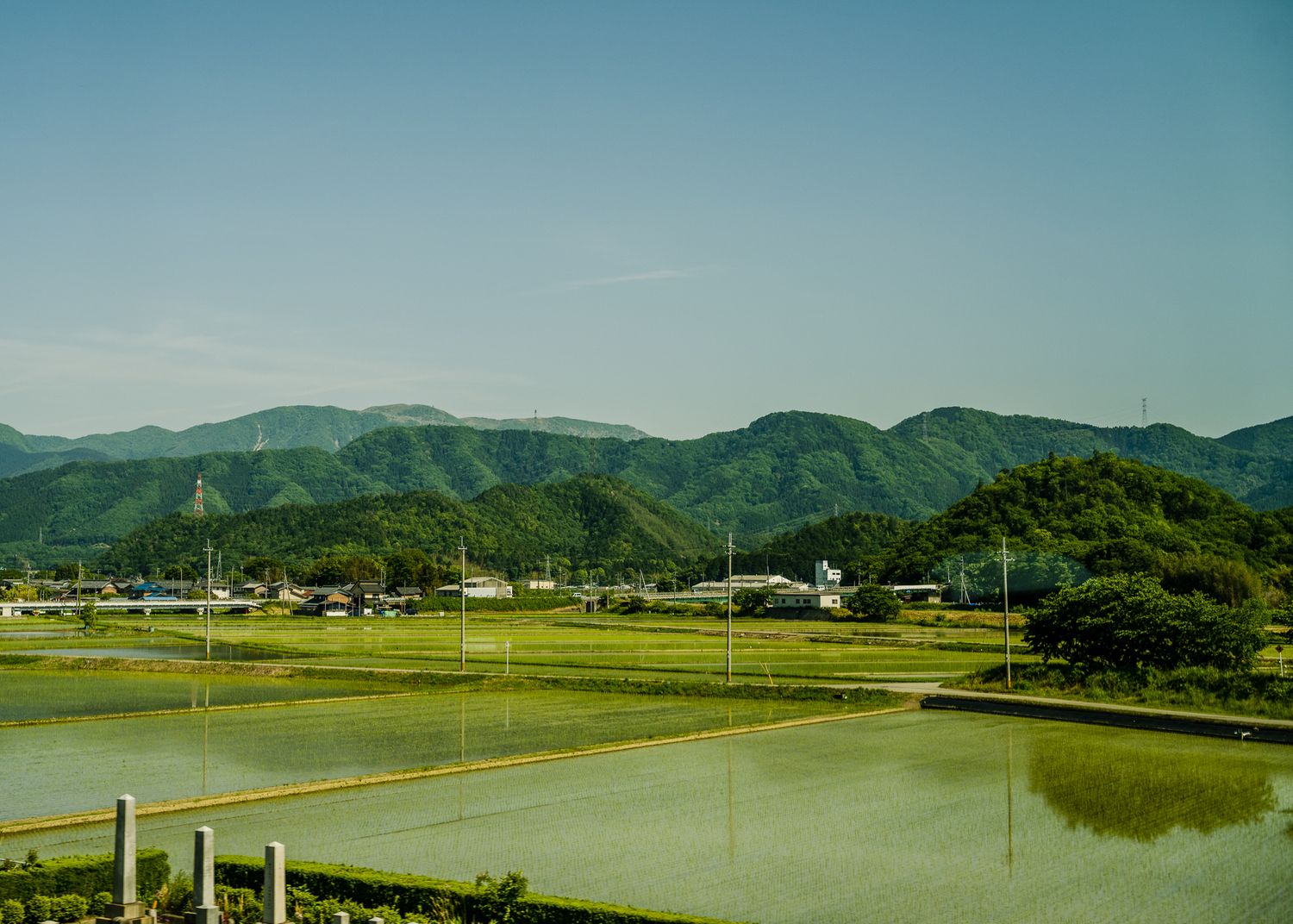
After arriving in downtown Kyoto, we took another train to the station nearer our hotel, which was situated a bit outside the city. We passed through miles and miles of rice paddies, which had been (purposely) flooded for that part of the growing season, creating beautiful green reflections of the surrounding hills.
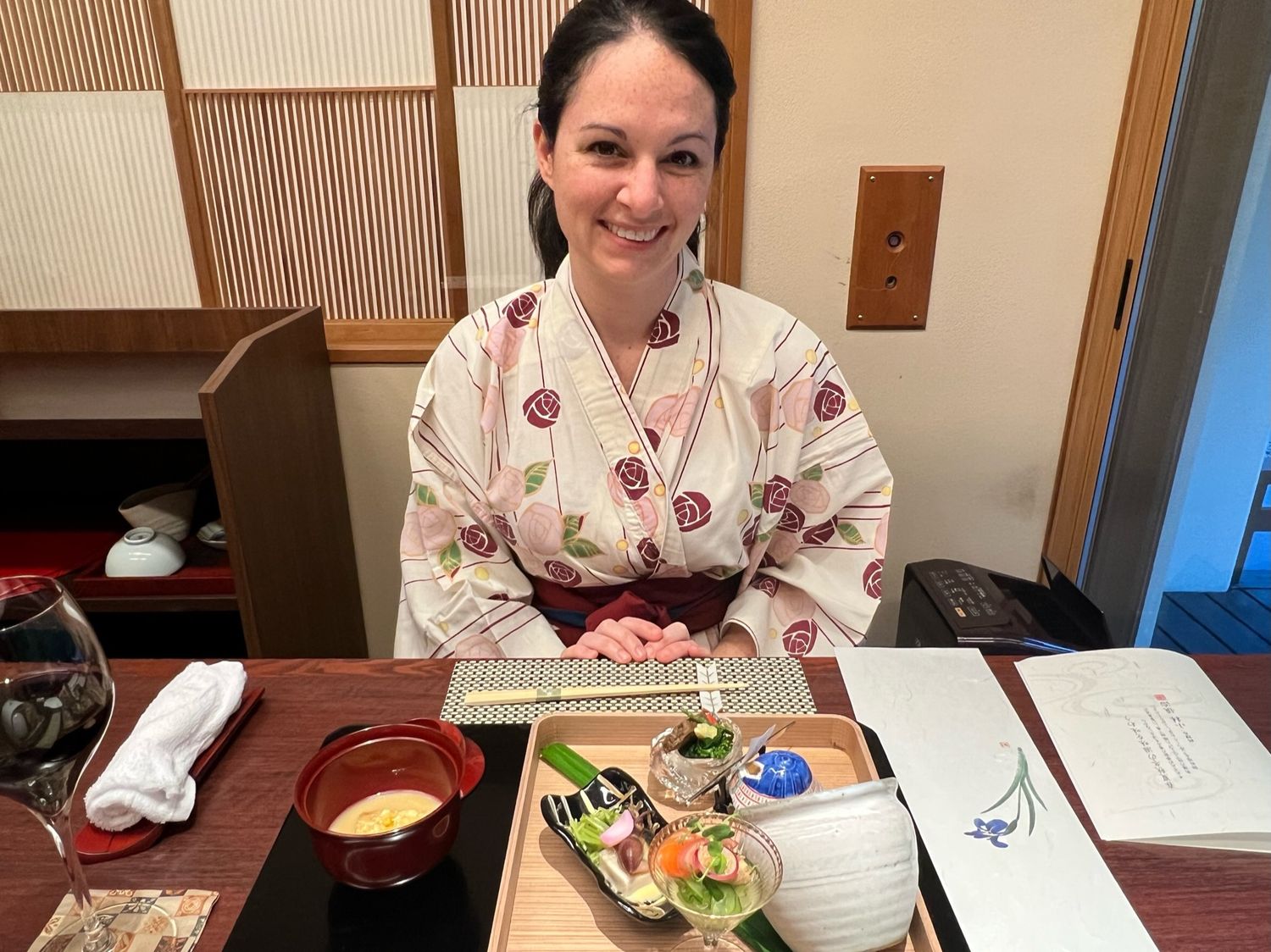
We were greeted by a shuttle service which took us to our hotel in Kyoto. We stayed at the Kyoto Yunohana Resort Suisen, which is a Ryokan, or traditional Japanese Inn. They had everything you might imagine of a traditional Japanese experience, like tatami mats, slippers, beautifully colored robes (yukata), and floor-level seating, as well as touches of luxury including private outdoor baths fed by nearby hot-springs and extravagant multi-course dinners and breakfasts included with each night.
We were a bit intimidated by all the unfamiliar tradition, afraid to do something silly (were we really supposed to wear the robes to dinner? Should we keep our clothes on underneath? How do you tie this thing?), but the staff was so welcoming and nice that we got comfortable very quickly. I did take a bit of an ego hit when our host asked what size yukata I wanted and I said, "small or medium?" (my usual sizes at home) to which she responded by looking me up and down and responding, "no...large."
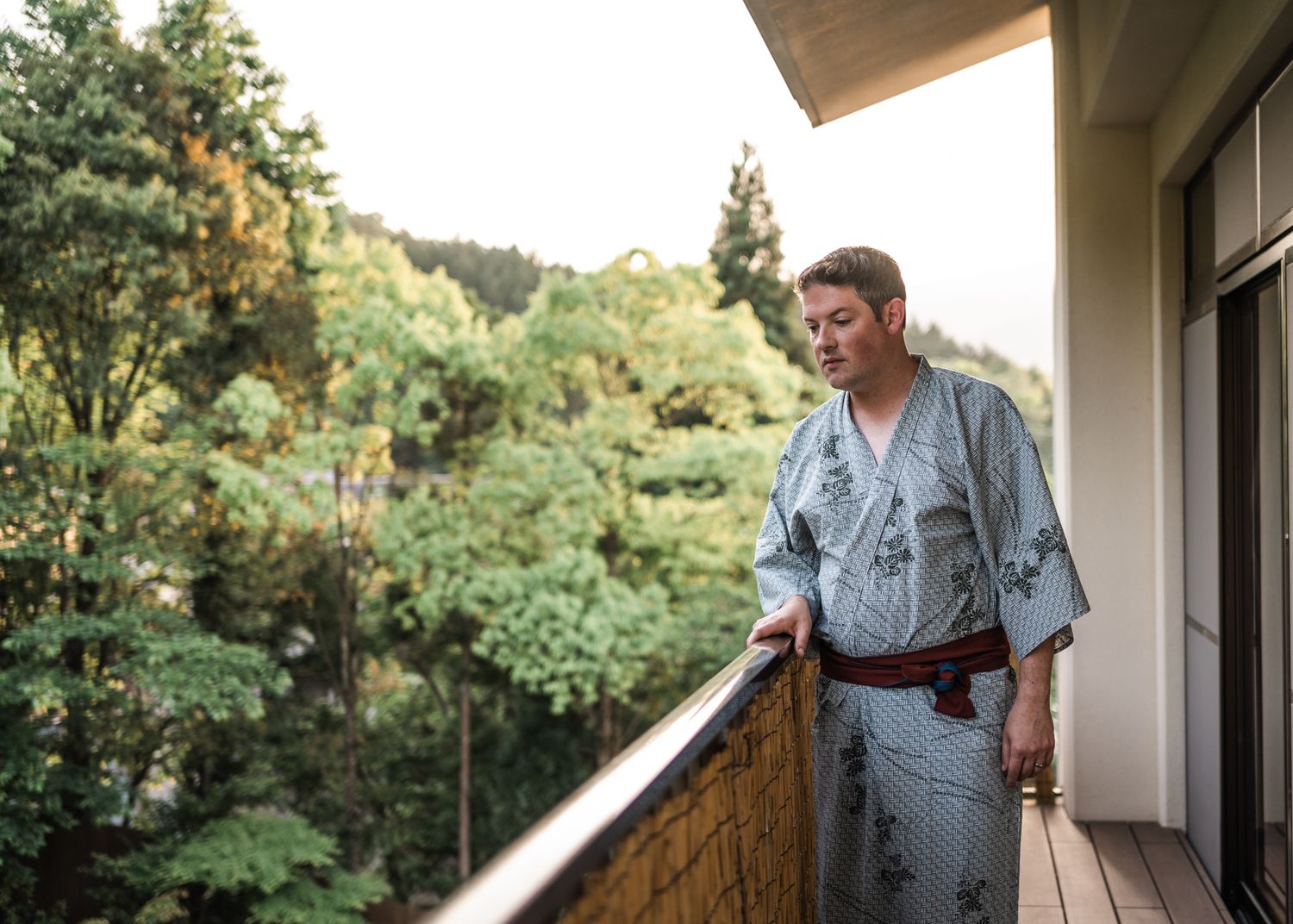
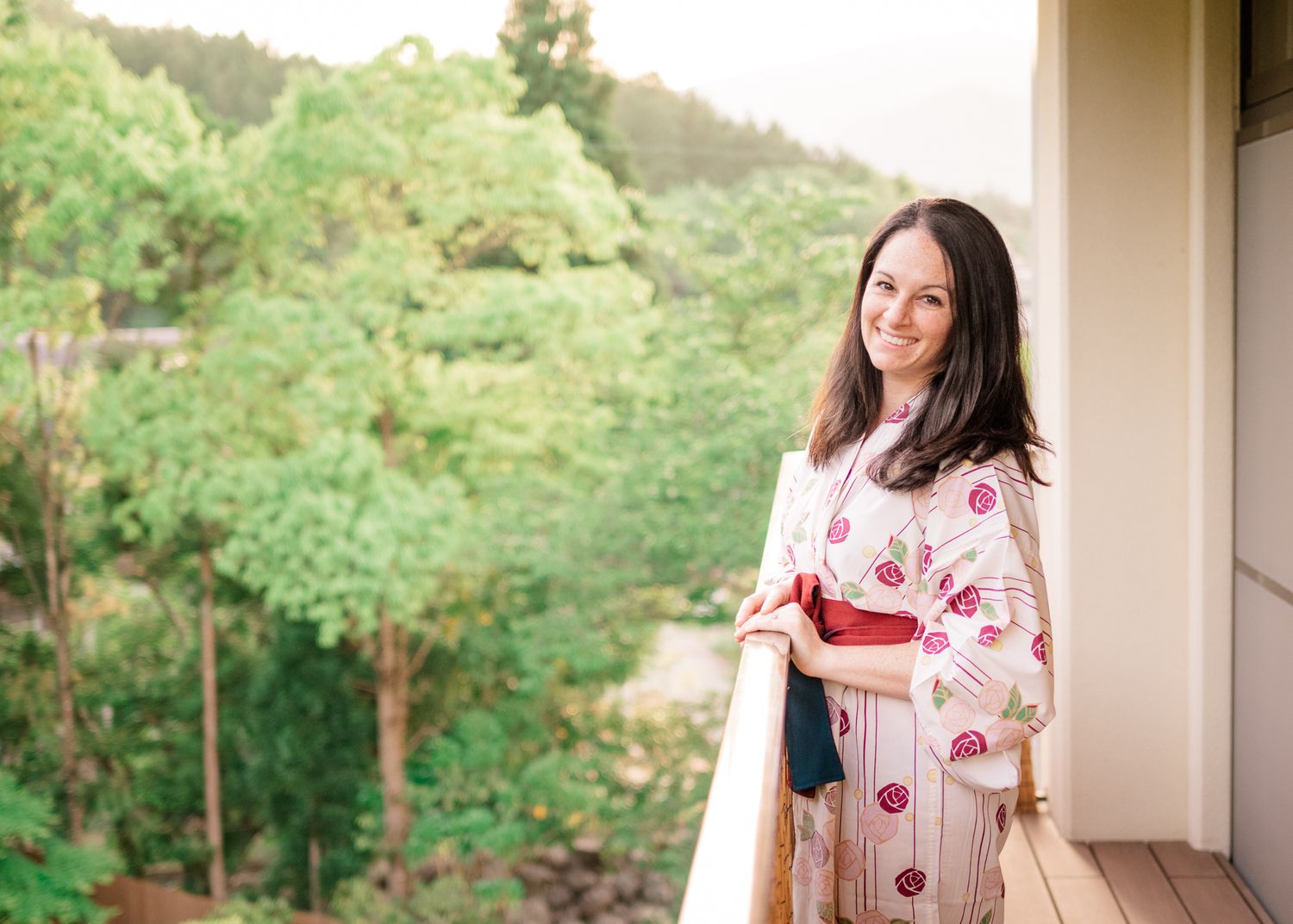
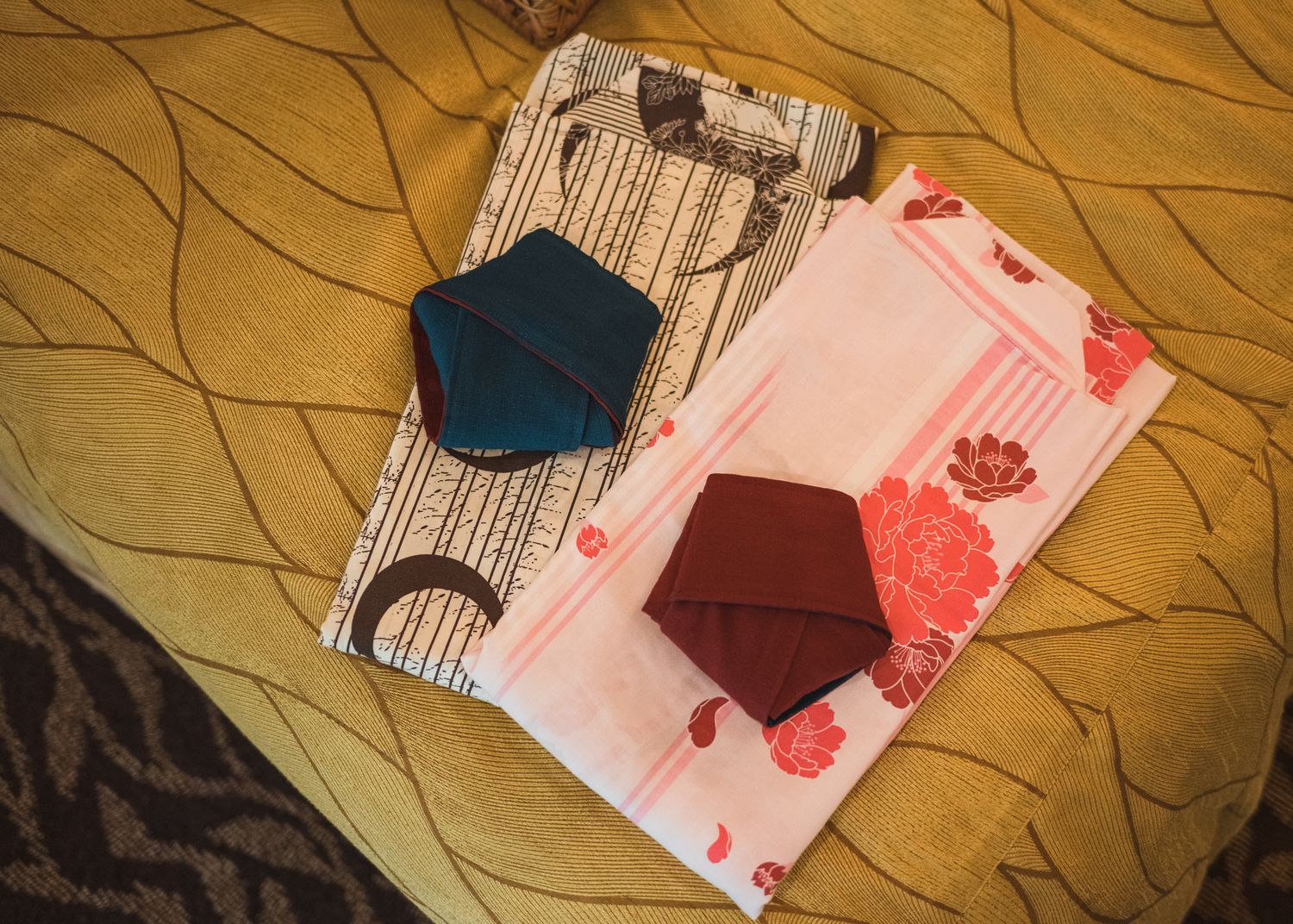
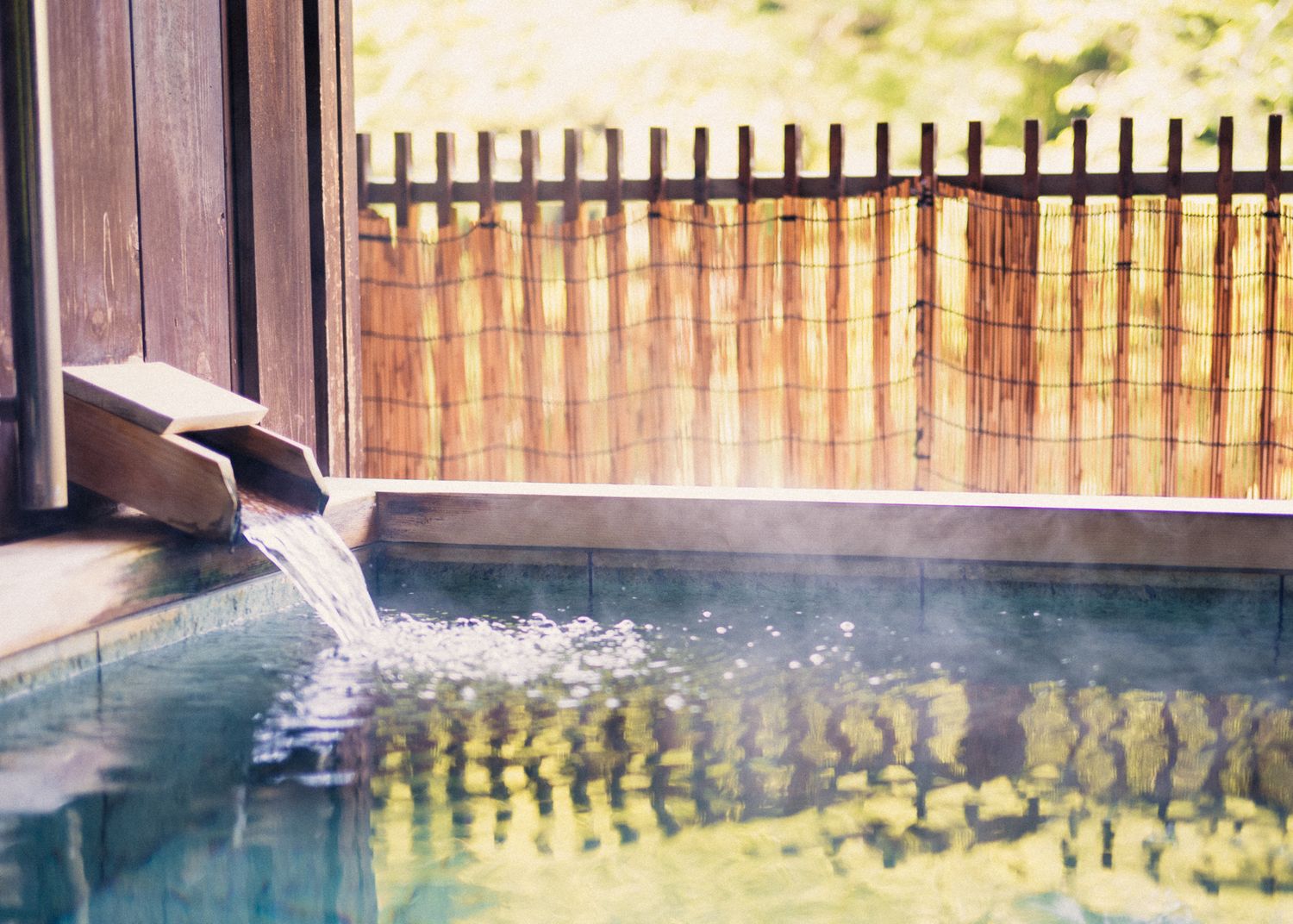
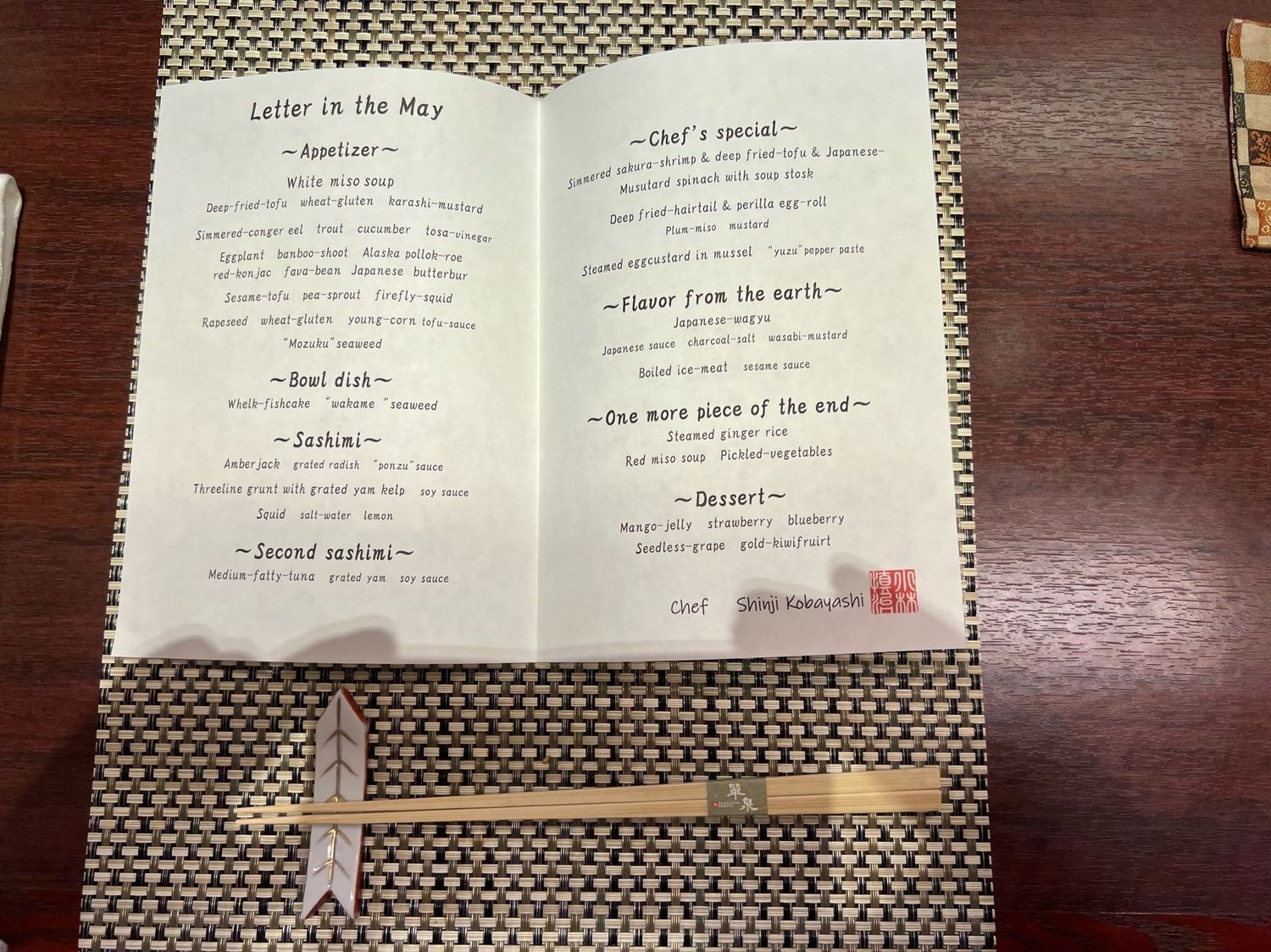
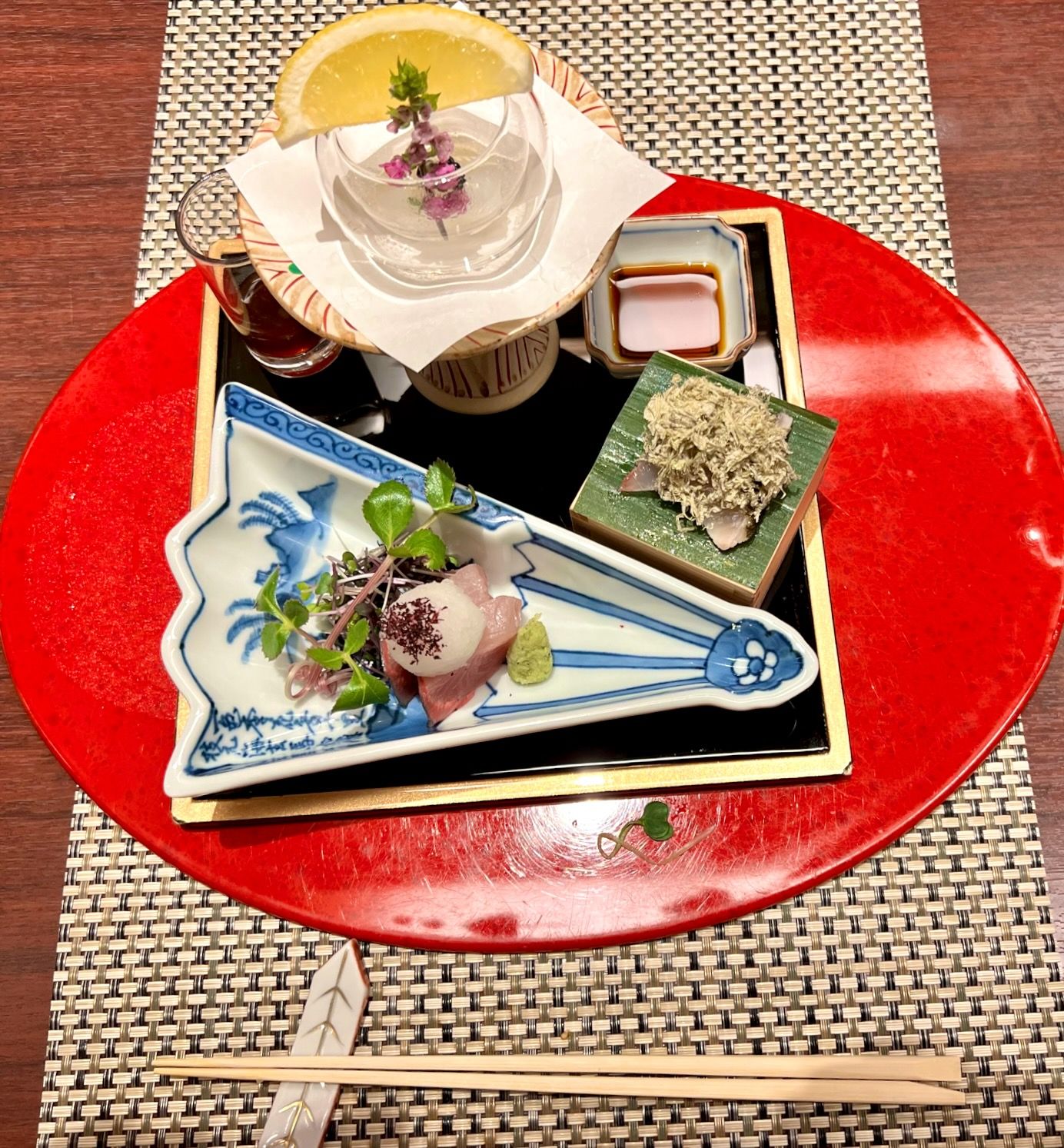
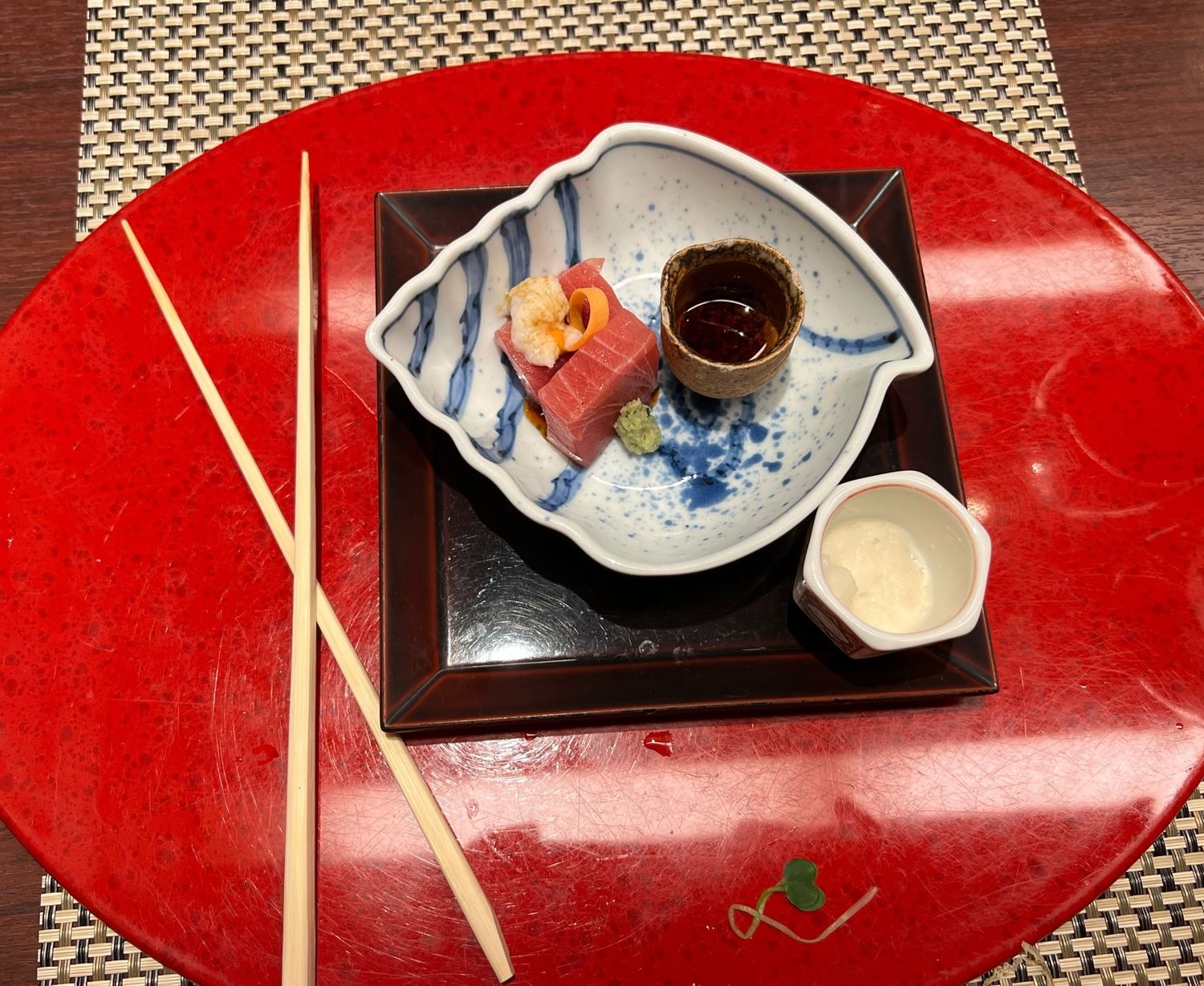
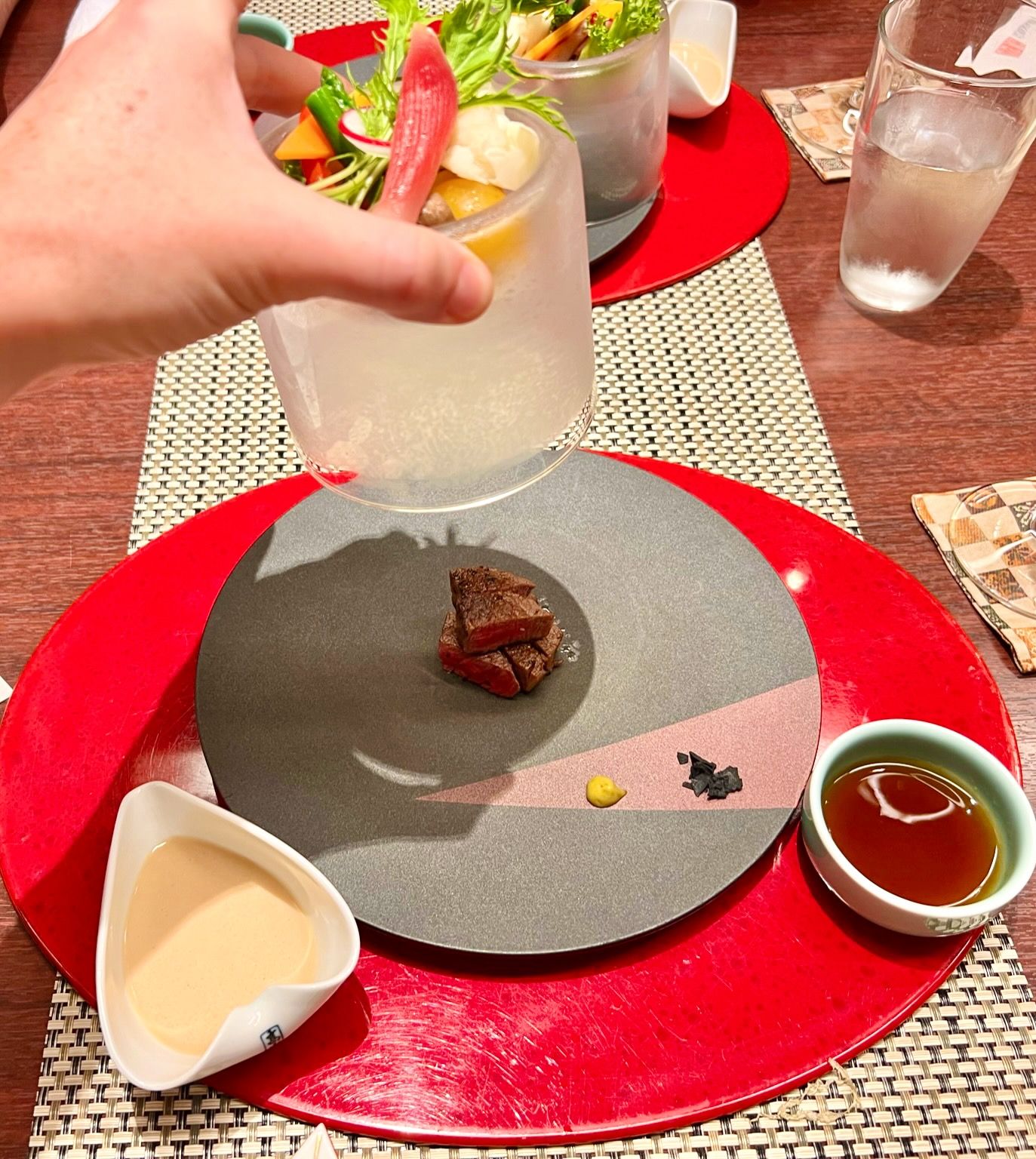
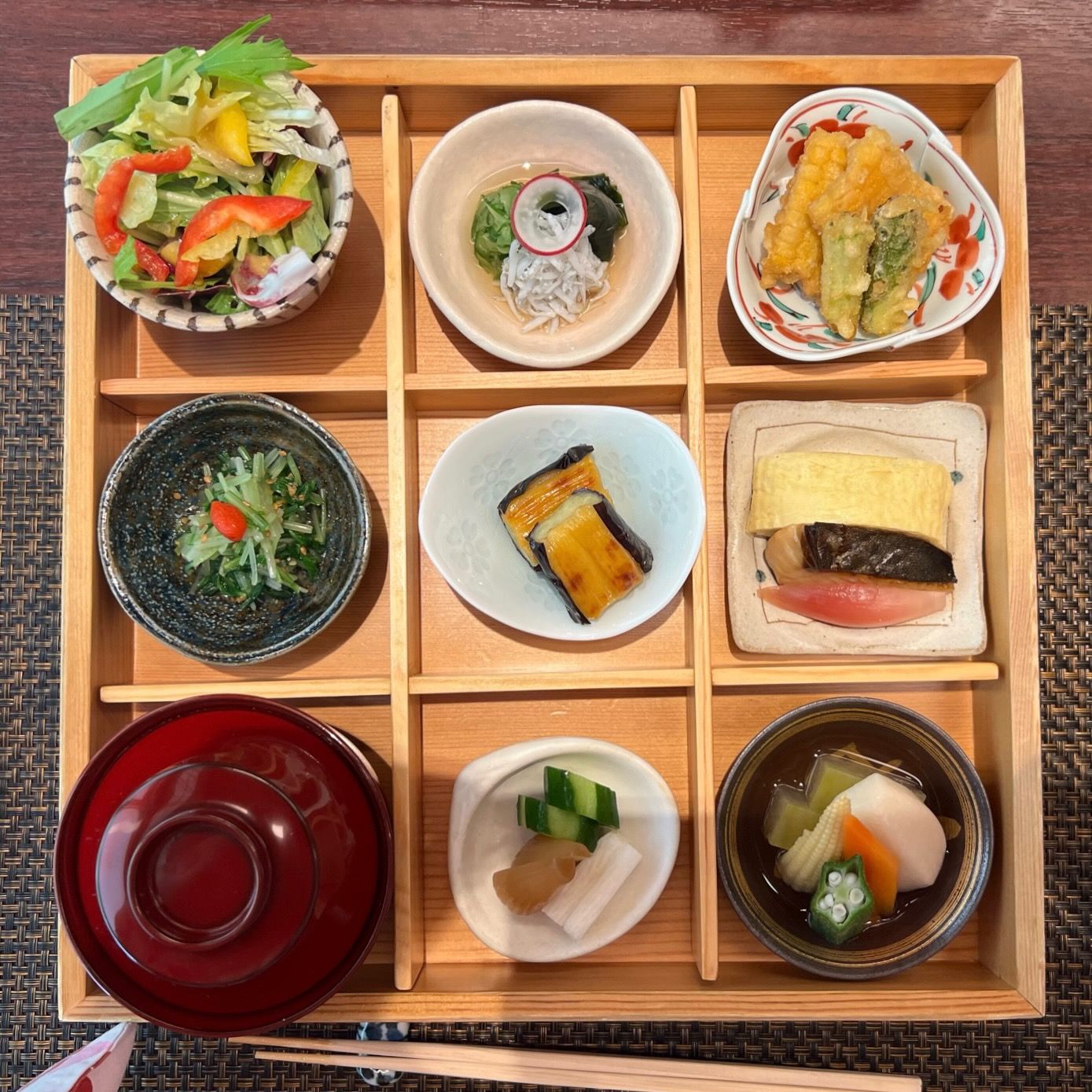
Dinner at the ryokan was incredible. What we initially thought was a menu, considering its length, was actually just the list of all of the courses we were about it eat. Each dish was presented like a work of art, reminiscent of my most fancy meal of all time at Alinea in Chicago. But where Alinea often played tricks with the food, making it look like one thing but taste like another, our experience of Japanese food in general was just the opposite. The focus was on savoring the flavors of carefully selected high-quality ingredients with very little done to manipulate them. In fact, things that we would normally only eat cooked in the US (like eggs and beef) were often served raw (or close to it).
One thing that was noticeably absent from food in Japan was any trace of dairy. Maybe that's one of the reasons the obesity epidemic seems to have spared Japan! But as former Wisconsin residents, Patrick and I were in full-on cheese withdrawal after a few days of traditional Japanese cuisine and found our way to a pizza place by our second afternoon in Kyoto.
Kyoto Sightseeing
After a relaxing evening, we spent the next day in Kyoto visiting a couple of "must-see" temples. We took trains and busses to get around at first, which is always a bit more of an immersive way to experience a city, but it was extremely crowded and oppressively hot outside (which I did not expect in May!) so we ultimately caved and just started taking Ubers from place to place.
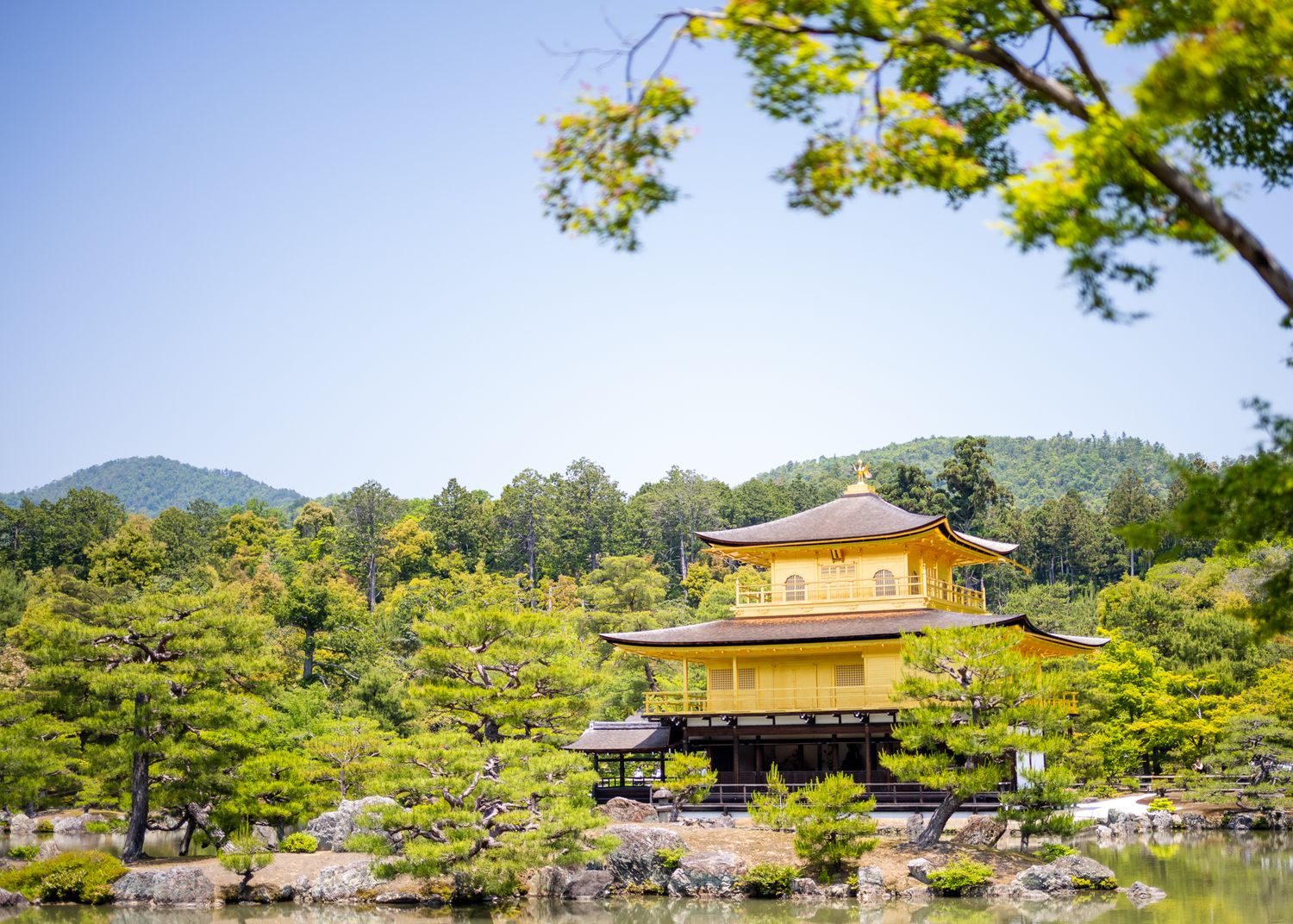
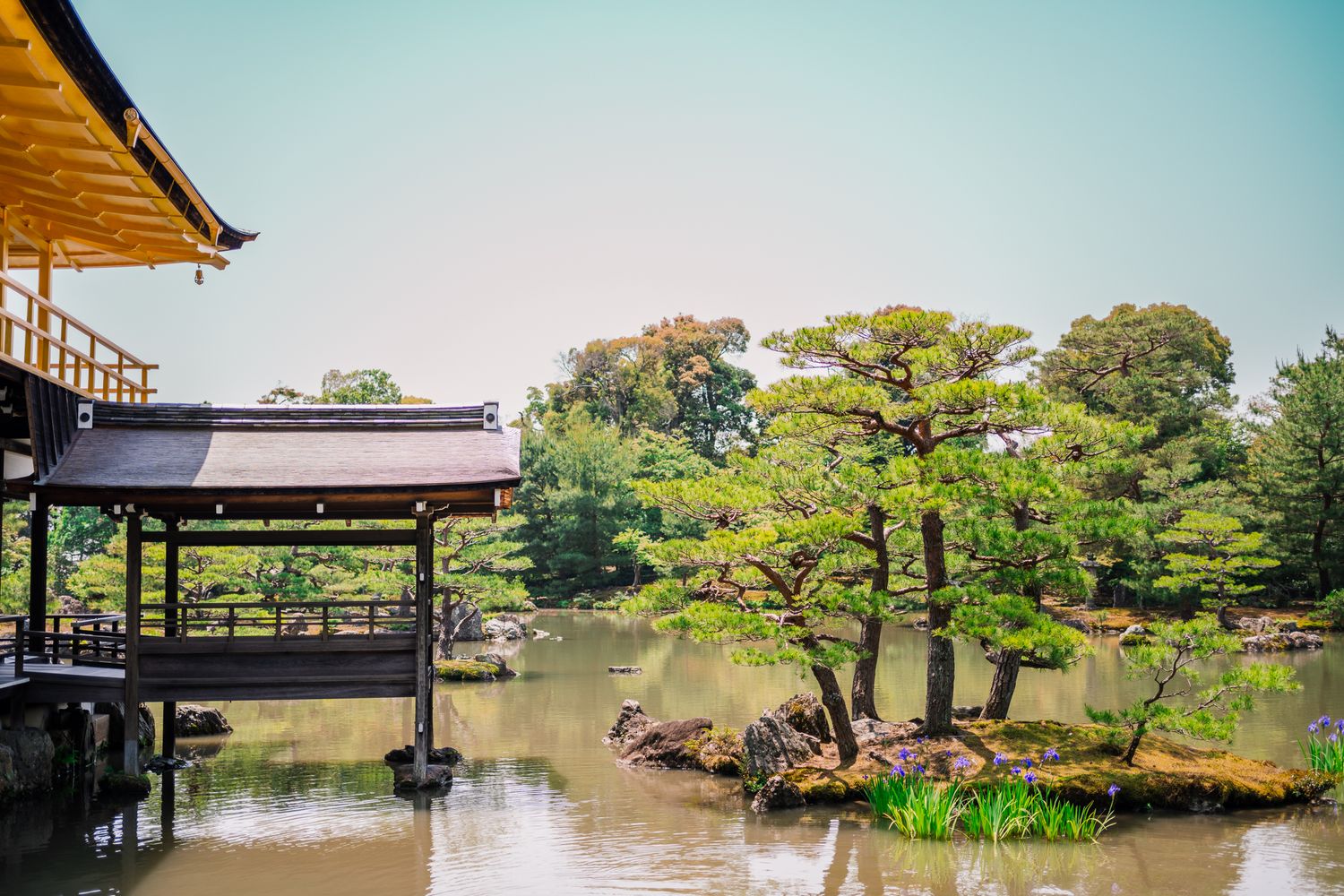
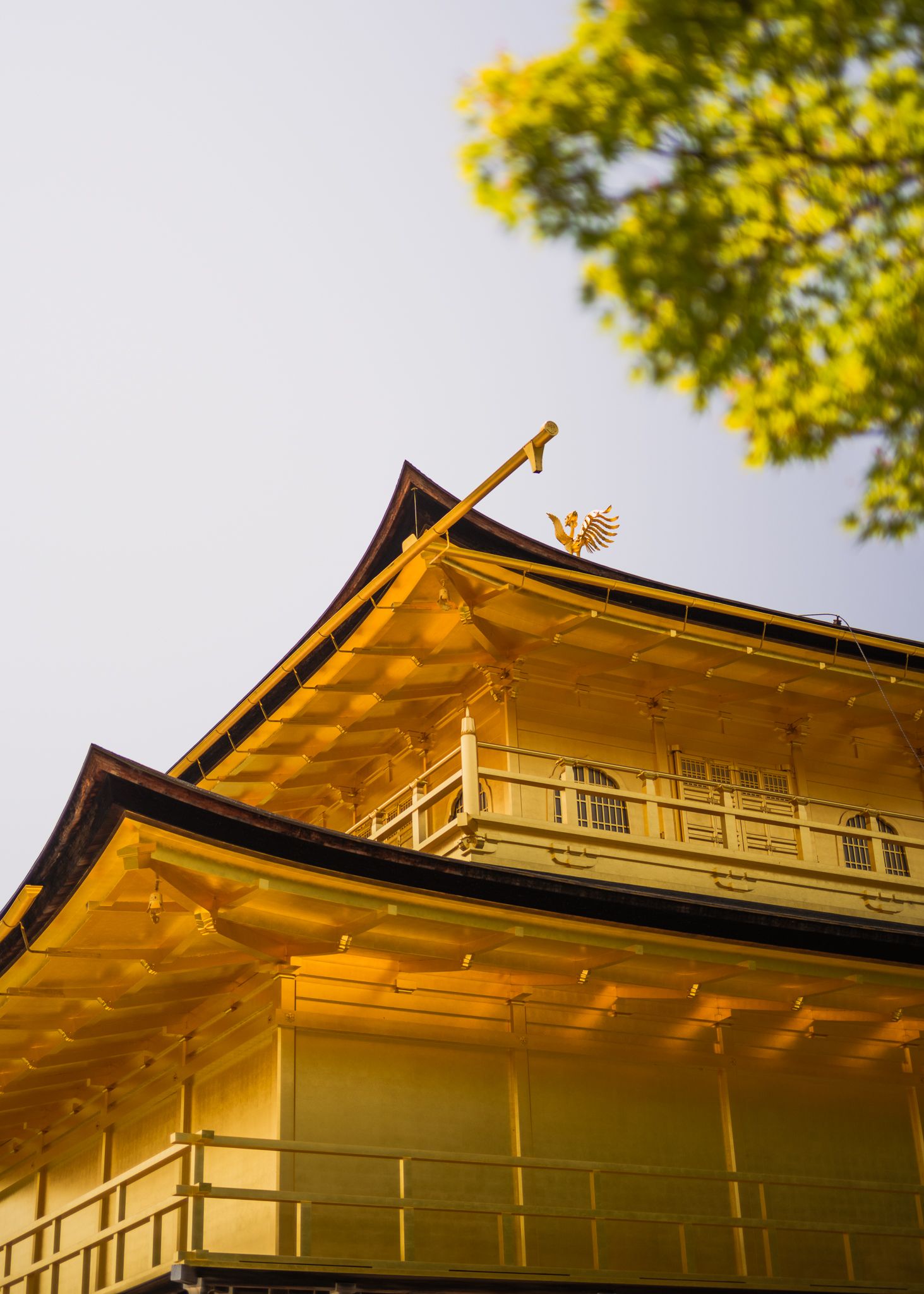
Our first stop was a zen temple called Kinkaku-Ji, or the "Golden Pavilion." It was beautiful from the outside as were the surrounding gardens, but due to its popularity as one of the top tourist attractions in Japoan, the walk through felt a bit like being herded like cattle and it was difficult to enjoy any view for more than a few seconds.
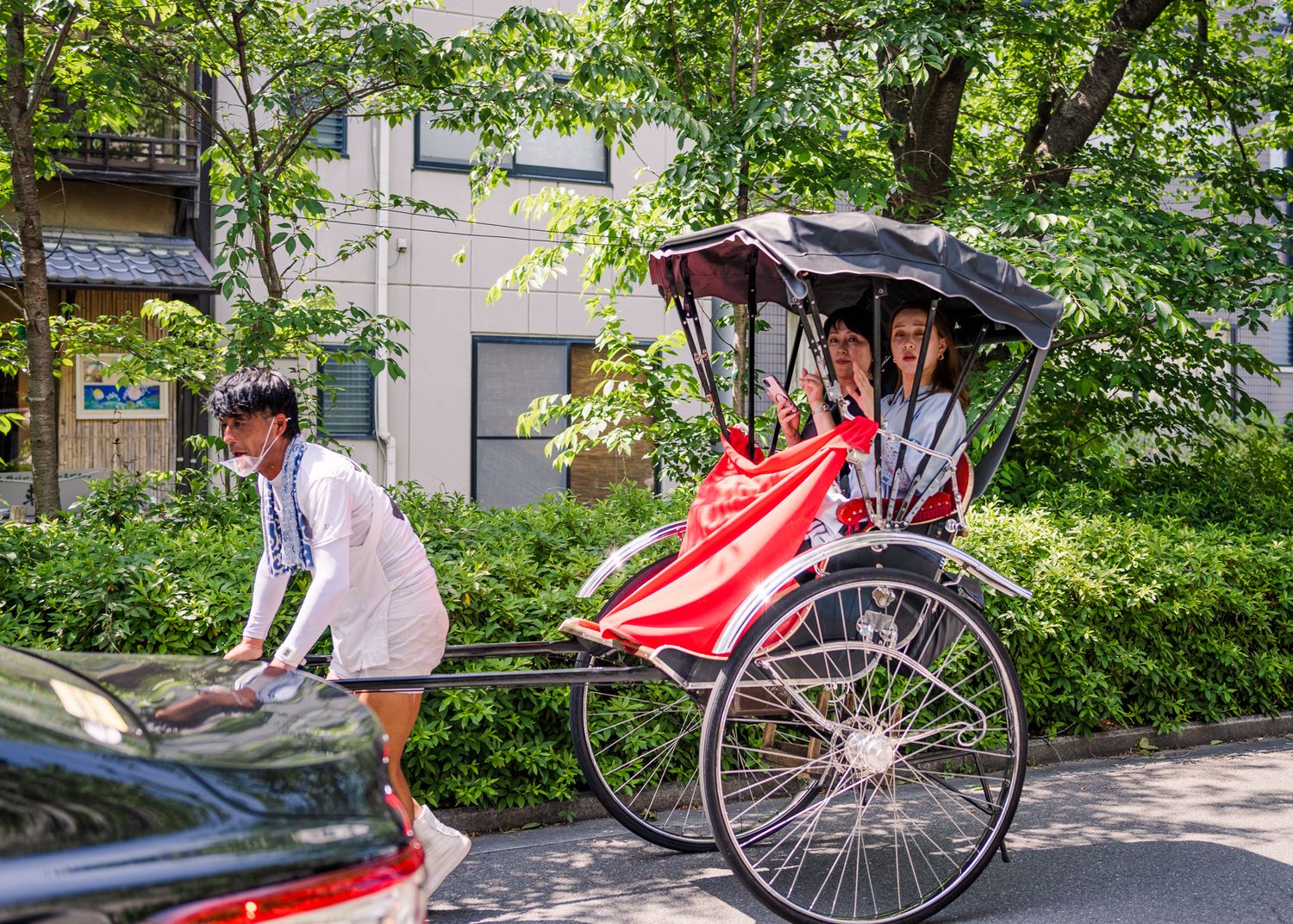
After our very non-Japanese pizza lunch in downtown Kyoto, we had the pleasure of spotting a geisha and a rickshaw while waiting for our ride to our next stop. I didn't harass the geisha by trying to snap a photo, but I wasn't as polite to the rickshaw passengers...
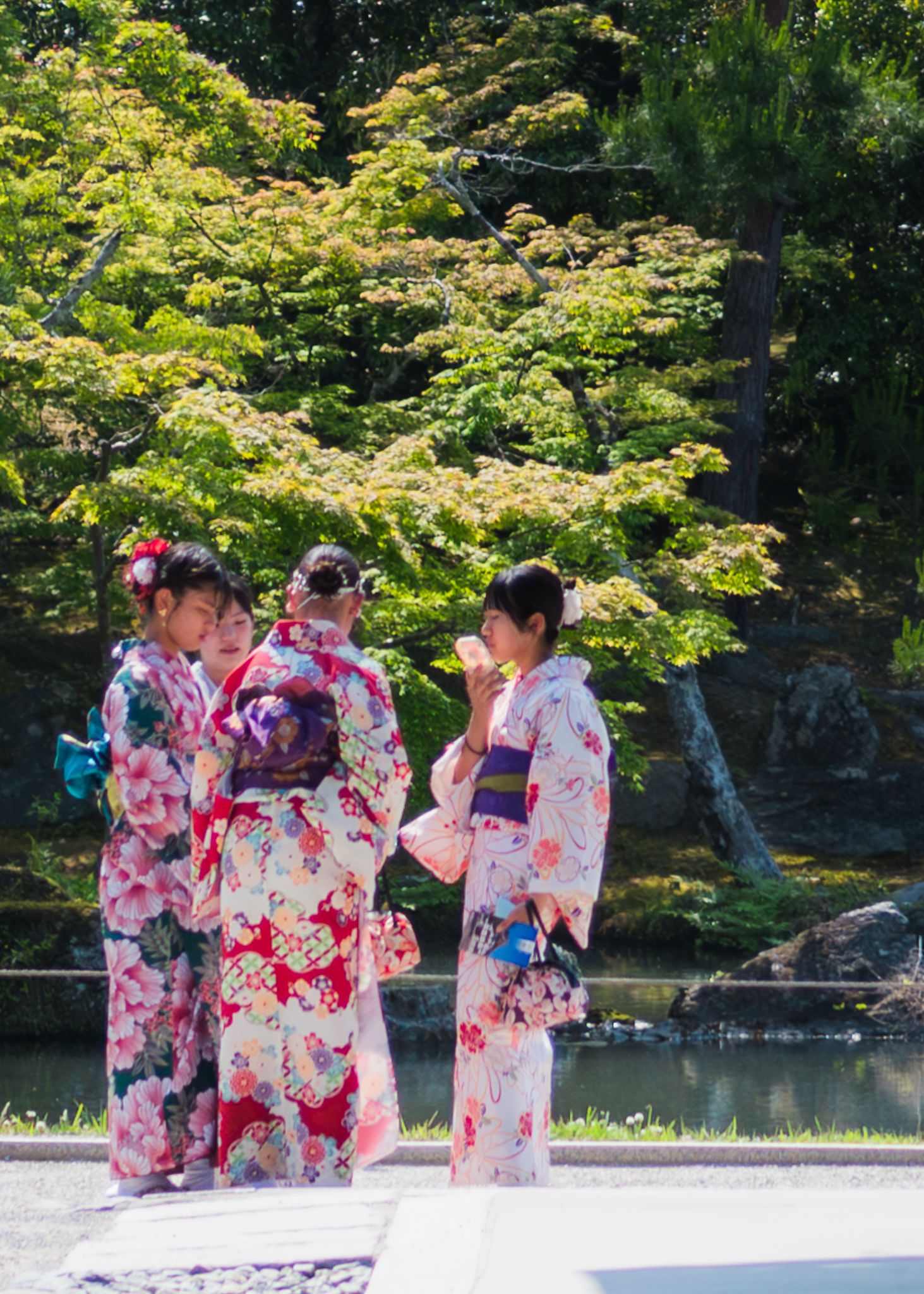
Our next destination was Tenryu-Ji temple, which had a much more relaxed atmosphere and extensive surrounding gardens to wander. We learned that its common for women in Kyoto to rent Kimonos to wear as they visit the sites, and we got to admire lots of the beautiful colorful garments as we walked around.
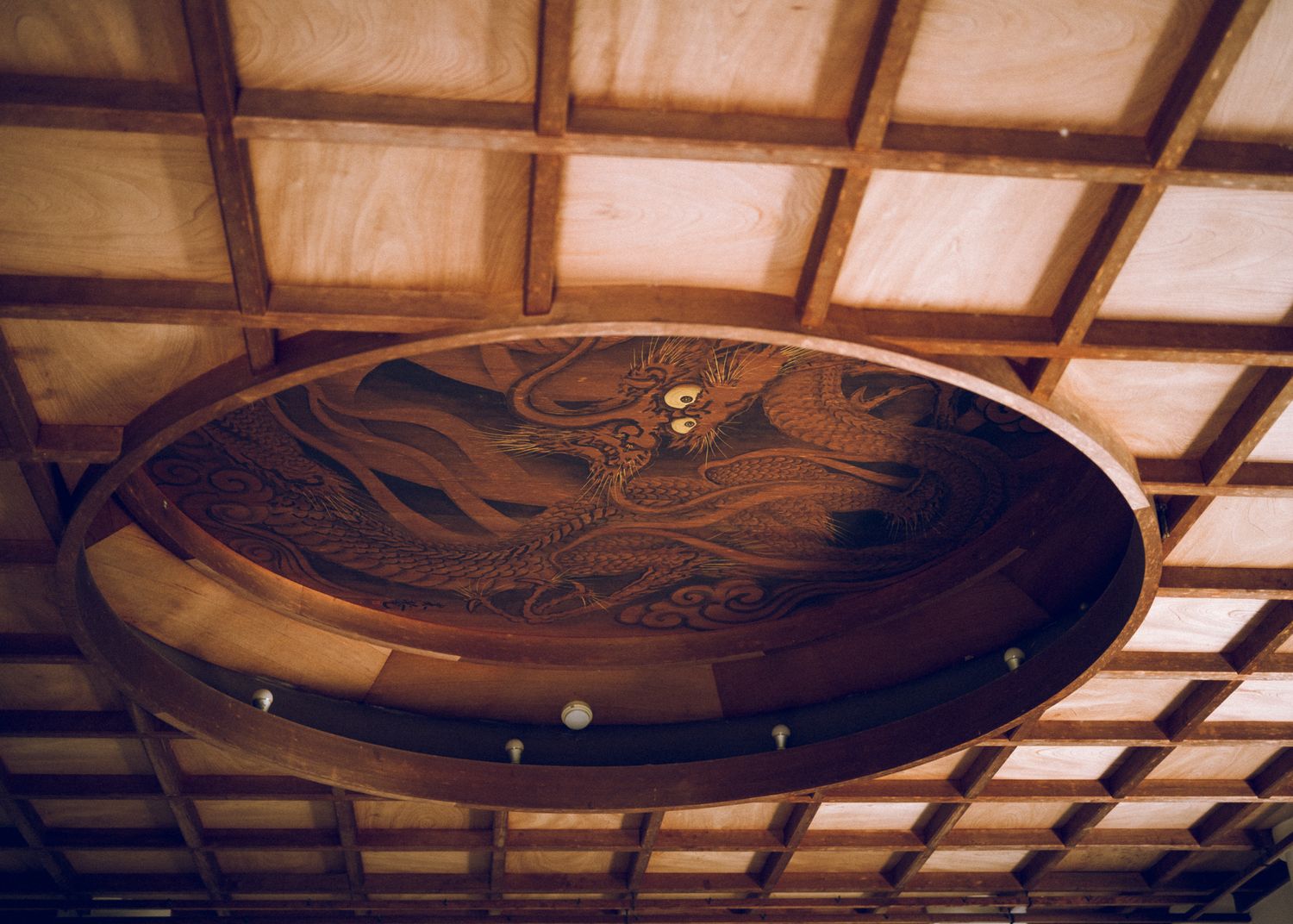
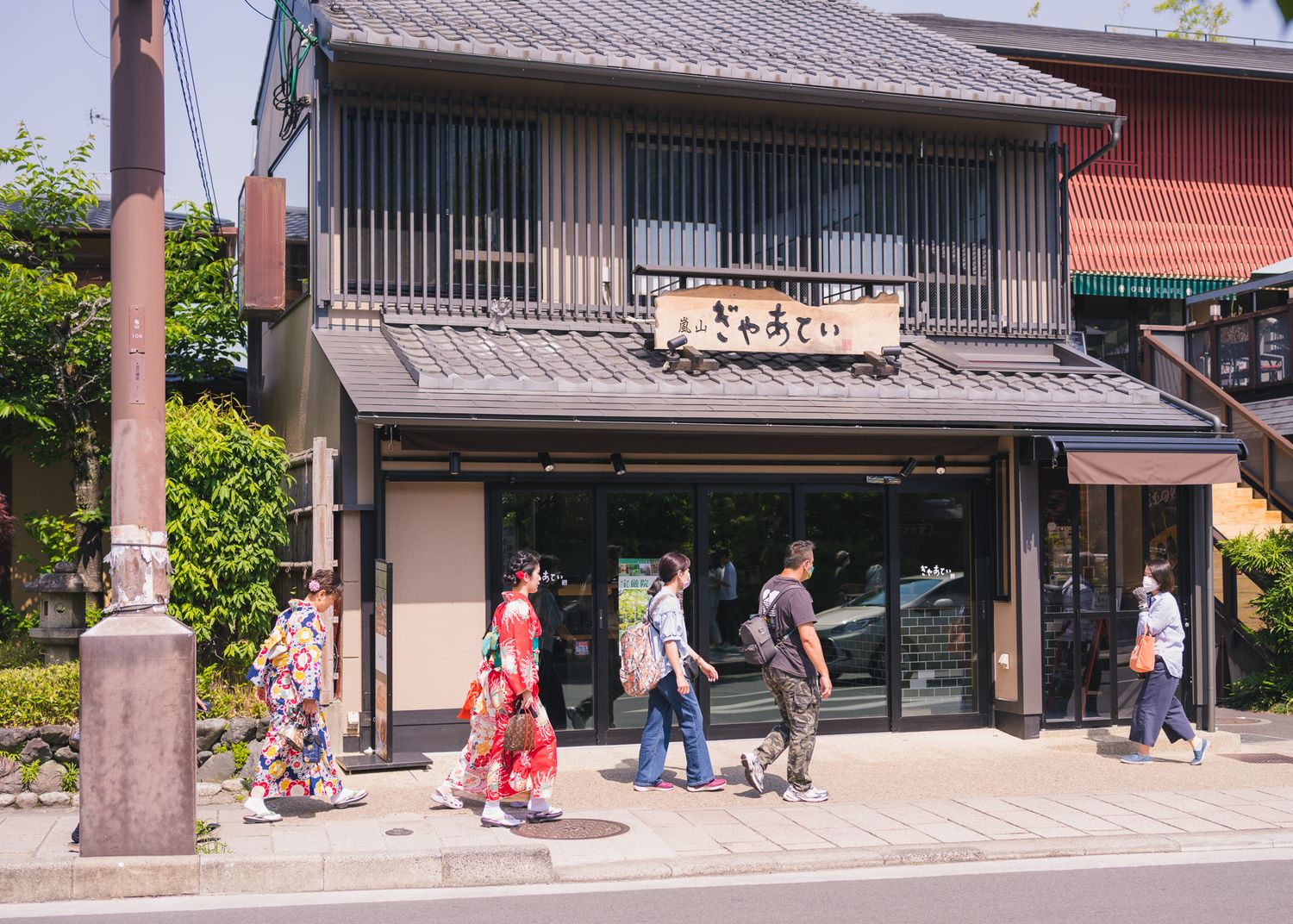
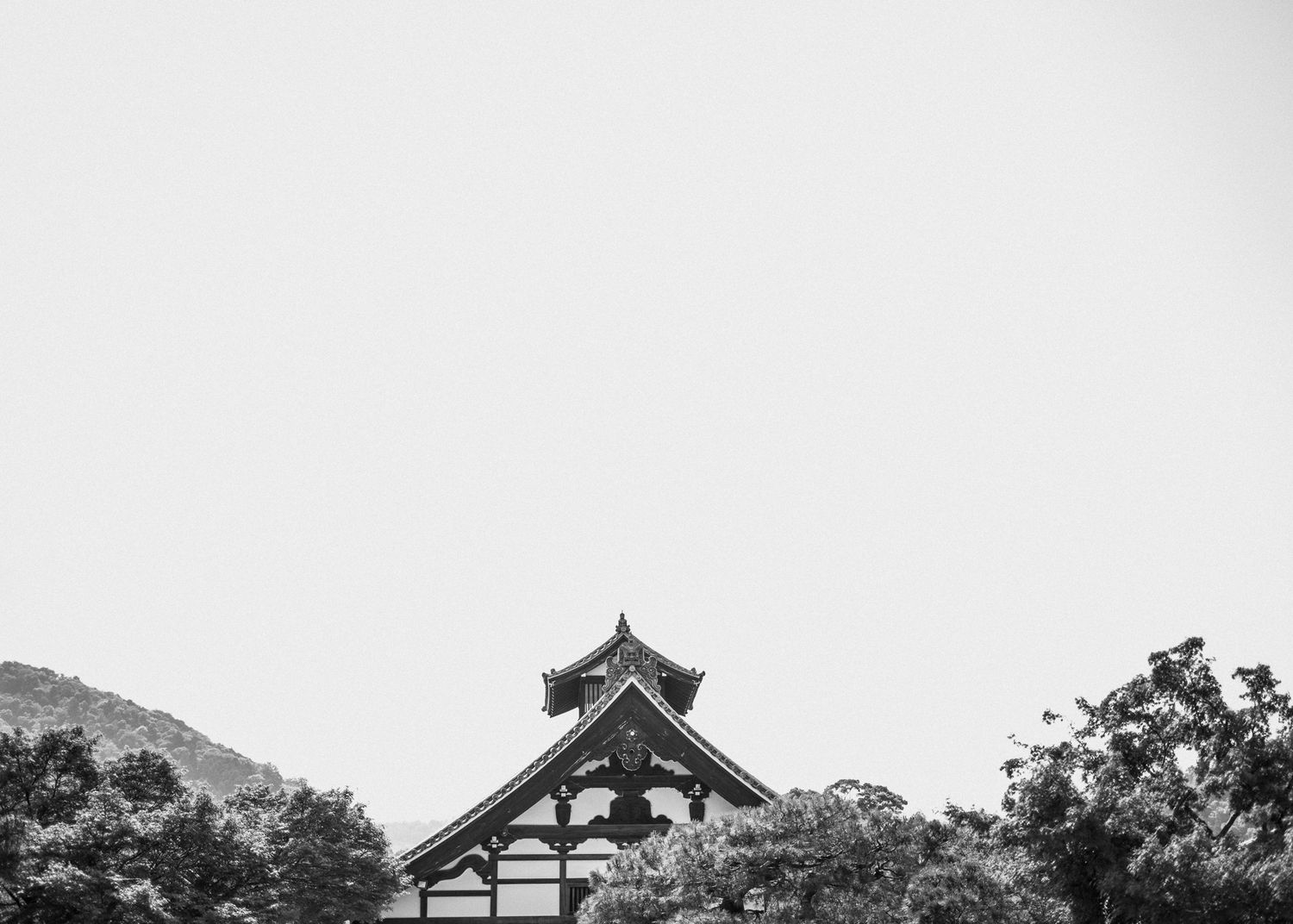
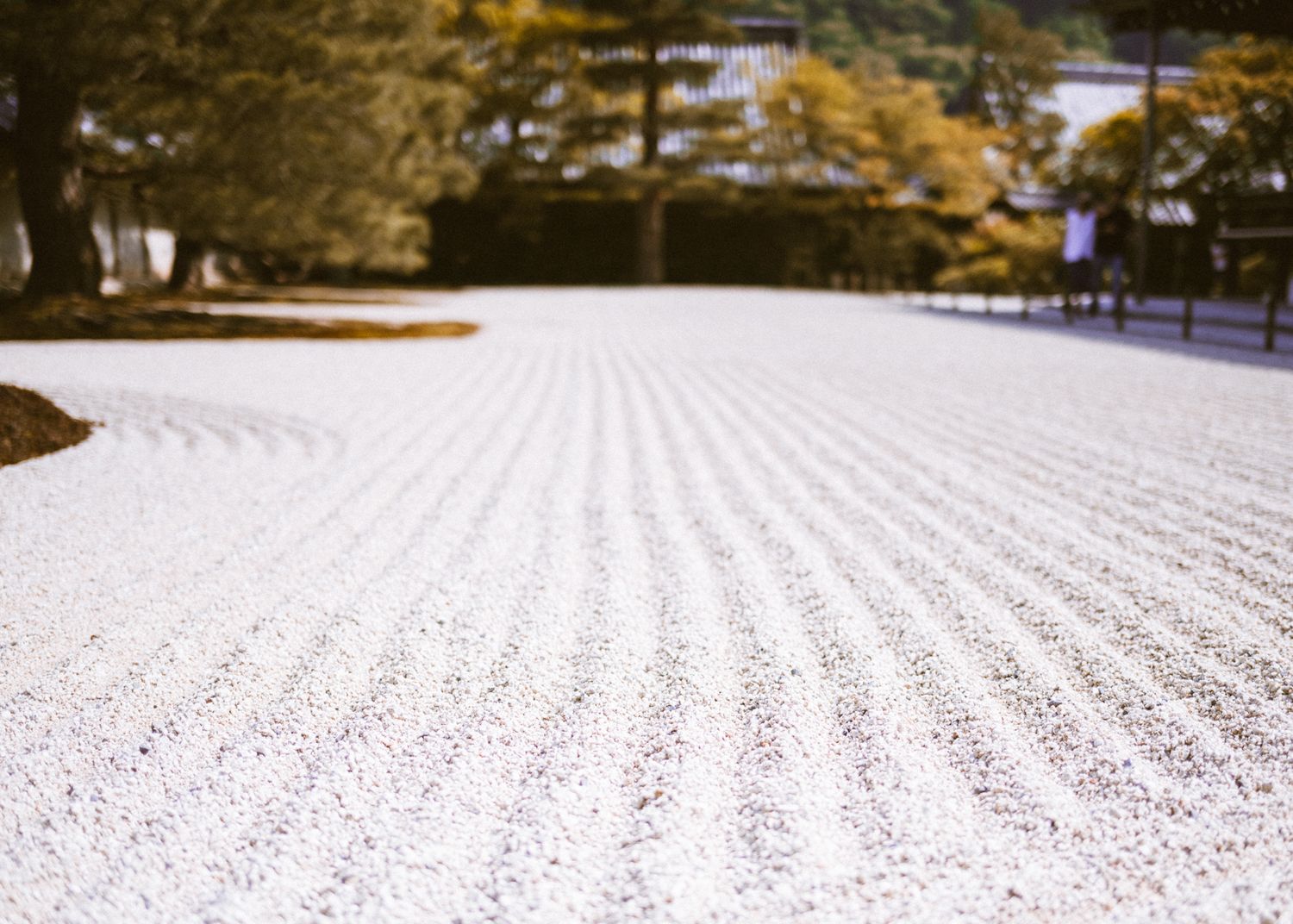
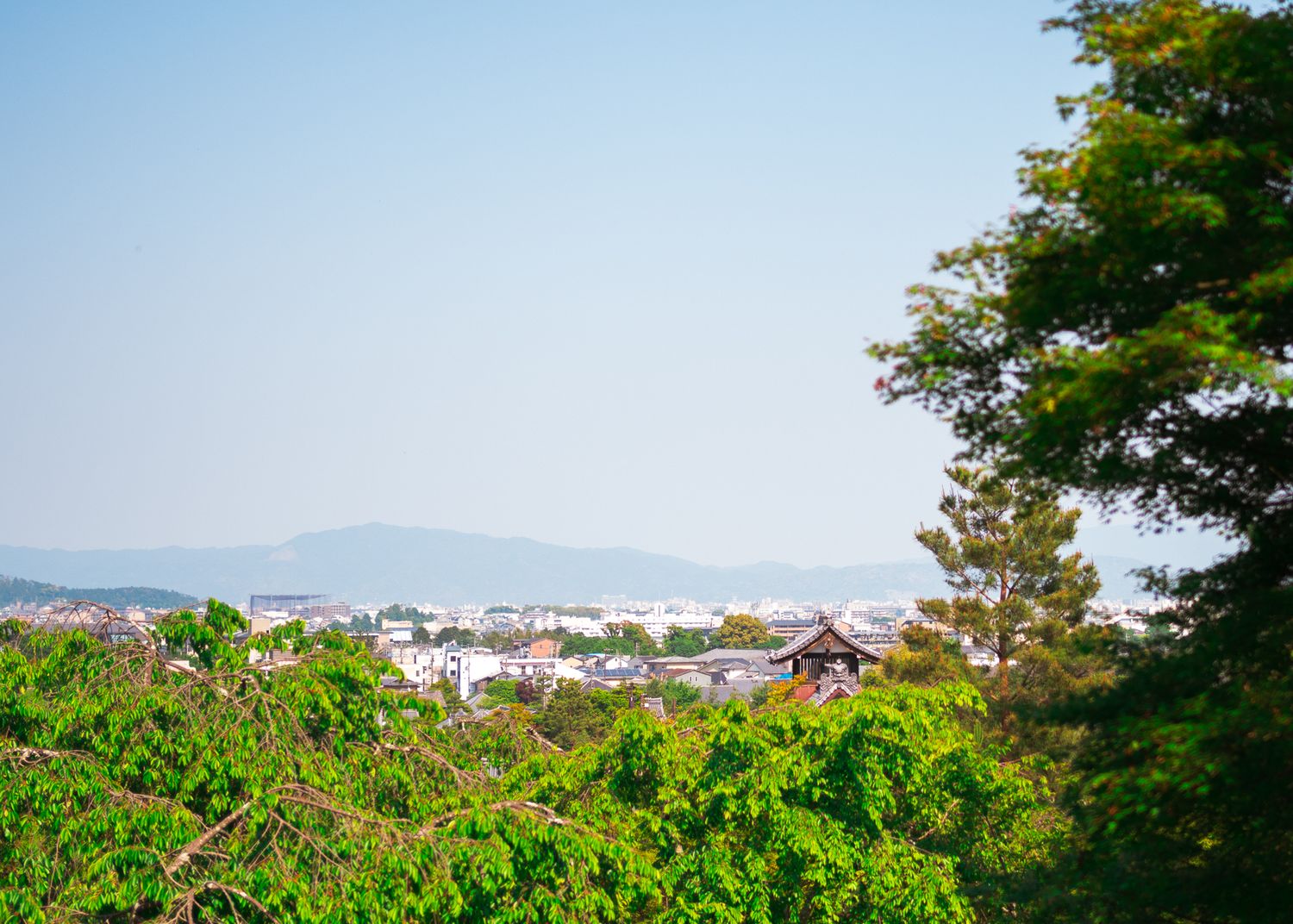
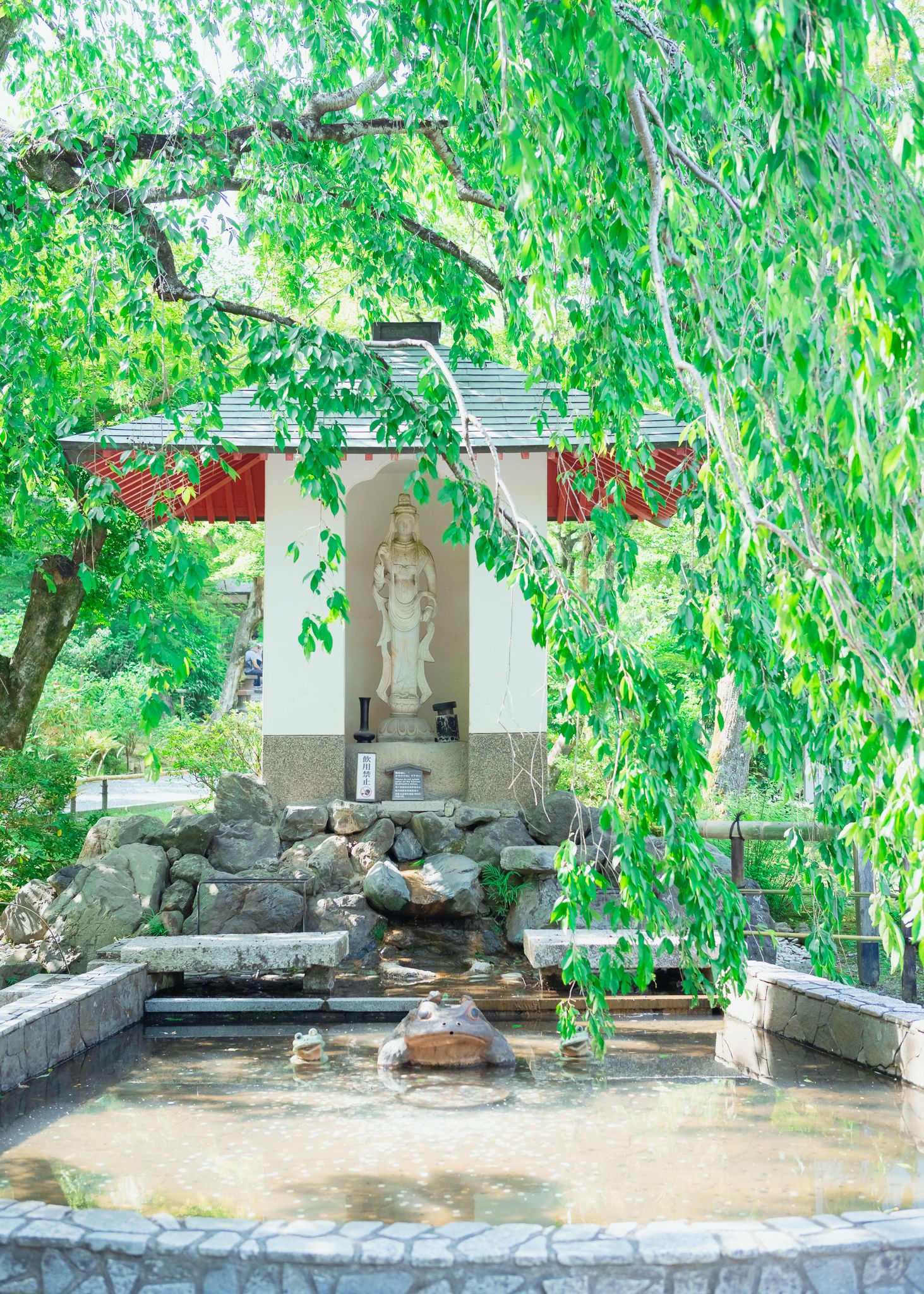
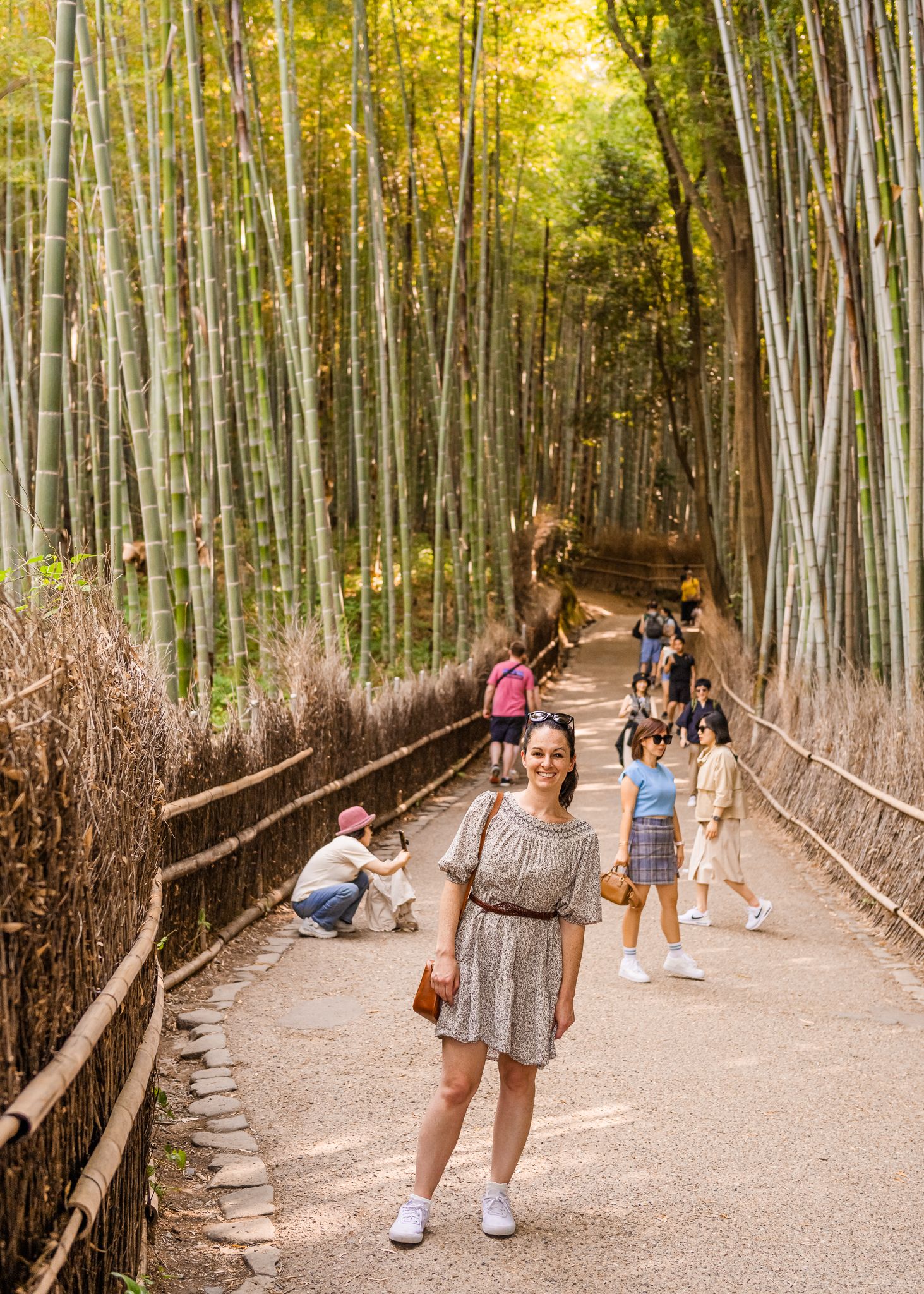
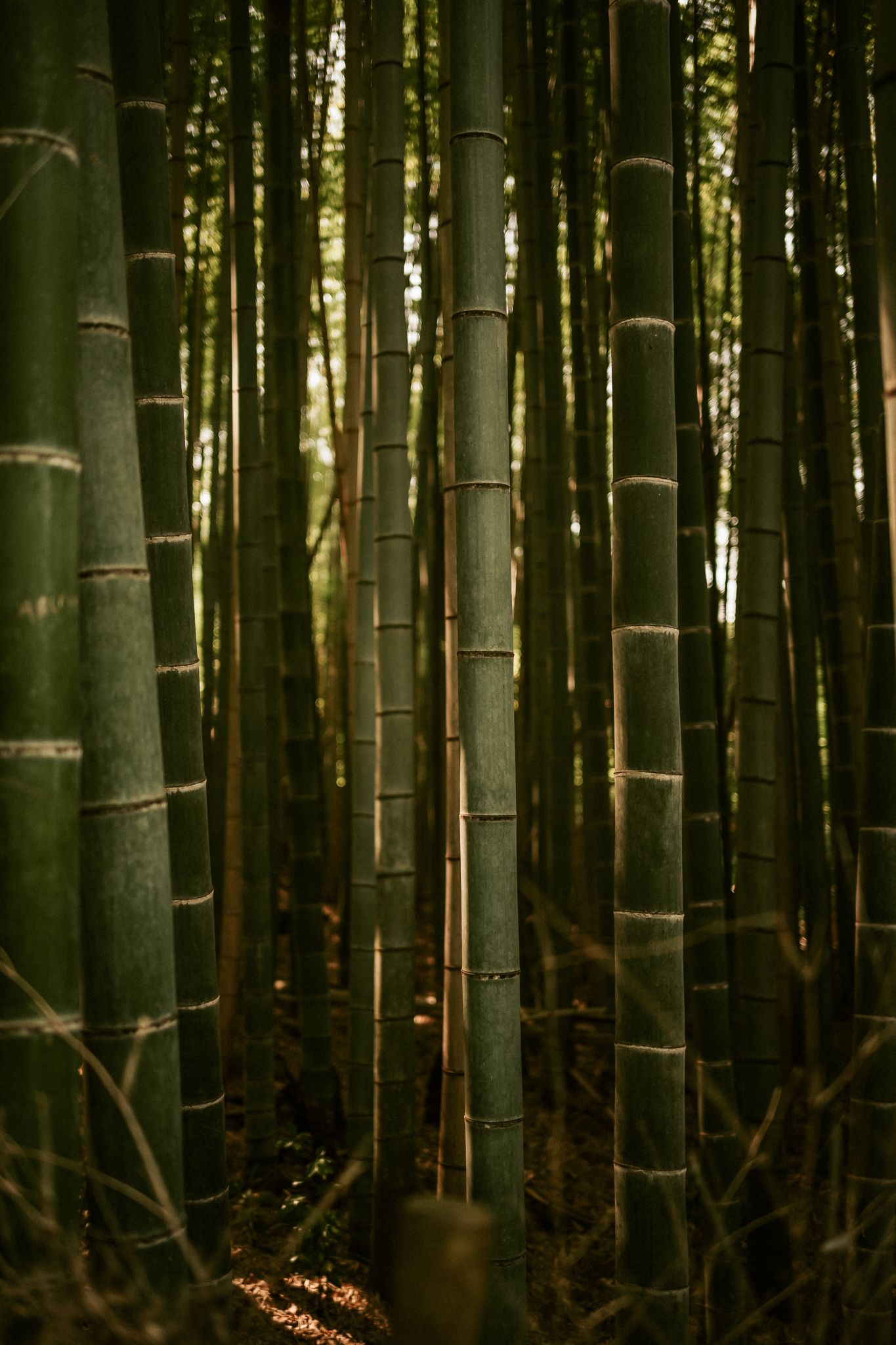
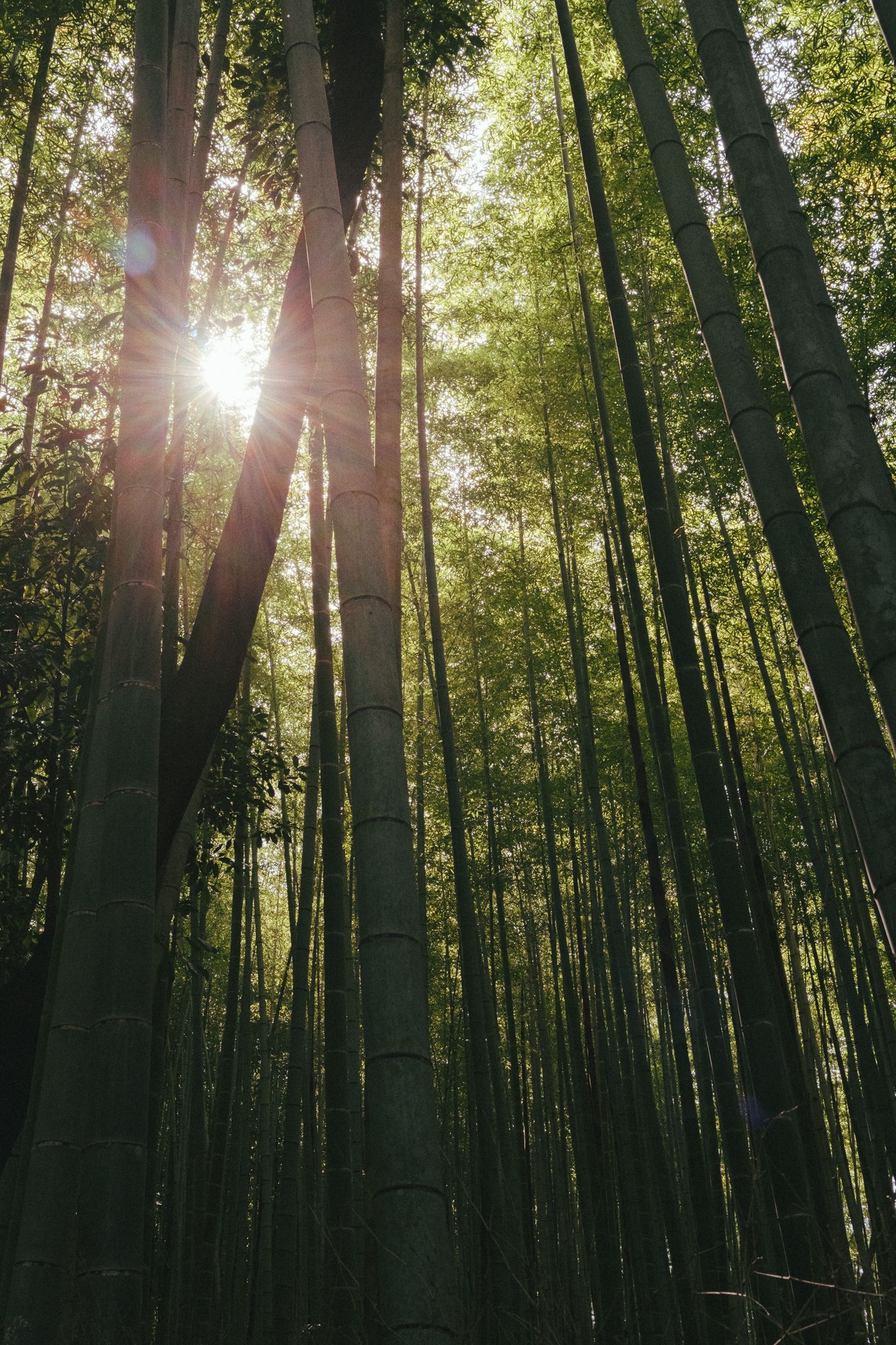
The exit from the temple brought us right into the highlight of our Kyoto visit, the Arashiyama Bamboo Grove. It was an otherworldly experience to enter the winding path surrounded by towering bamboo trees, which filtered the sun and bathed everything in a yellow-green glow. A bonus on that 90+ degree day was that the shade was plentiful!
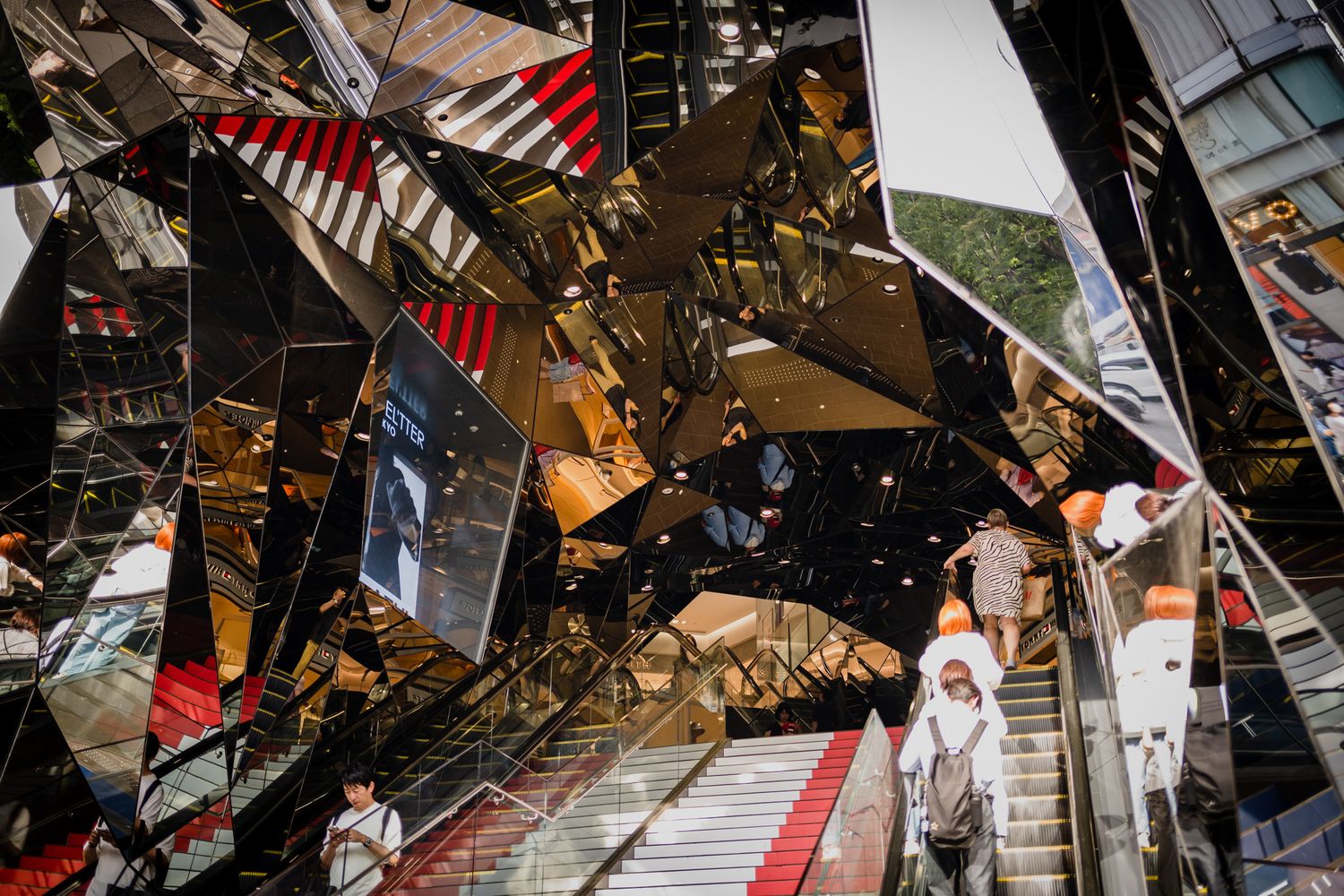
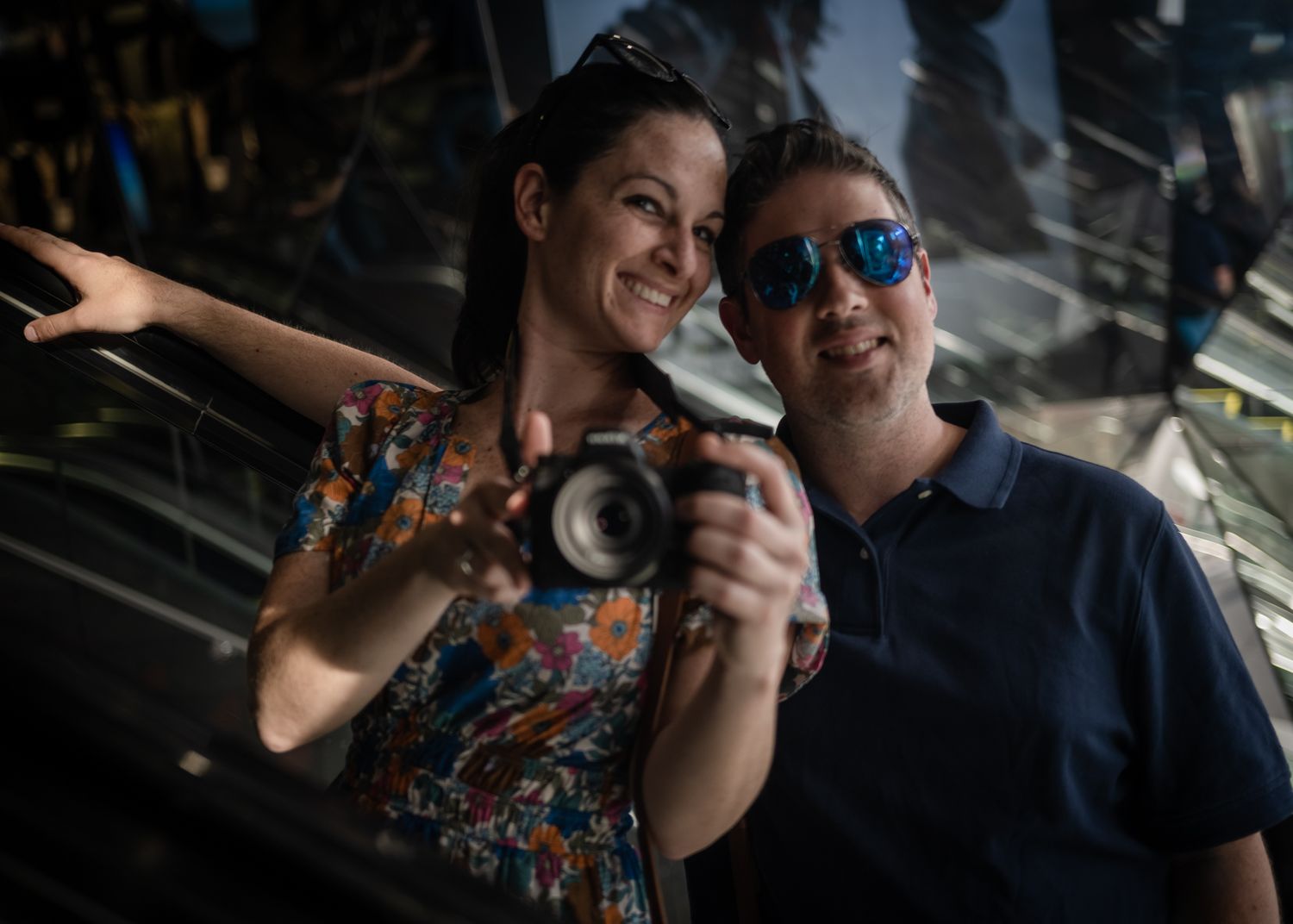
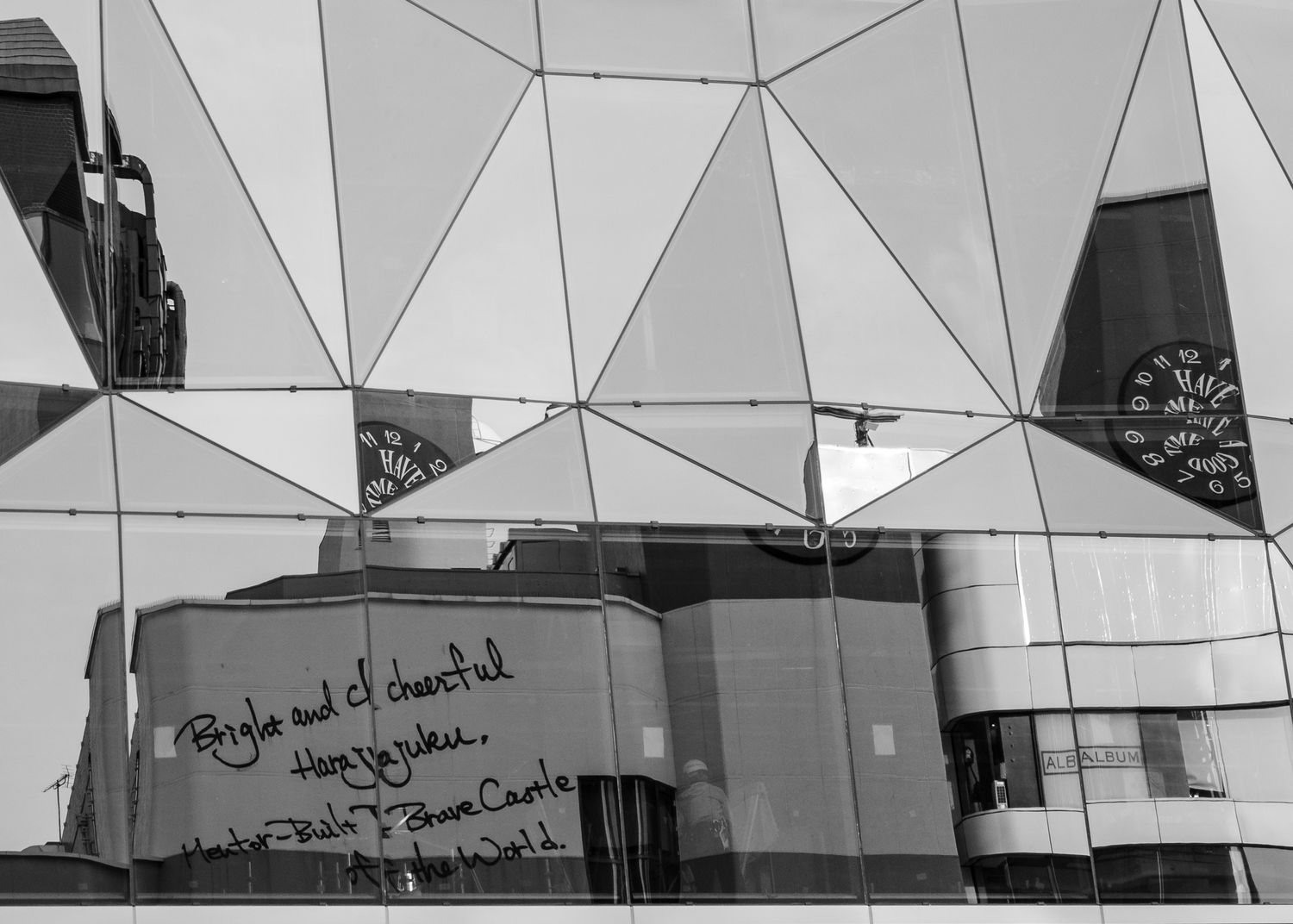
The train station was just a short walk from the temple so we were able to easily make our way back to our ryokan for another beautiful dinner and quiet evening. We hopped the Bullet Train back to Tokyo the next morning, and I dragged Pat along on my bucket-list item for our trip: visiting the Harajuku neighborhood. Harajuku is famous for its shopping and its "street fashion" culture. We ended up rummaging through a few thrift stores for vintage band t-shirts and I found an amazing pair of pants that were made from patched together pieces of a bunch of thrifted items, but unfortunately they were out of my budget and definitely too cool for me to pull off in my real-life outings (like Library Story Time, the hospital, and the bus stop).
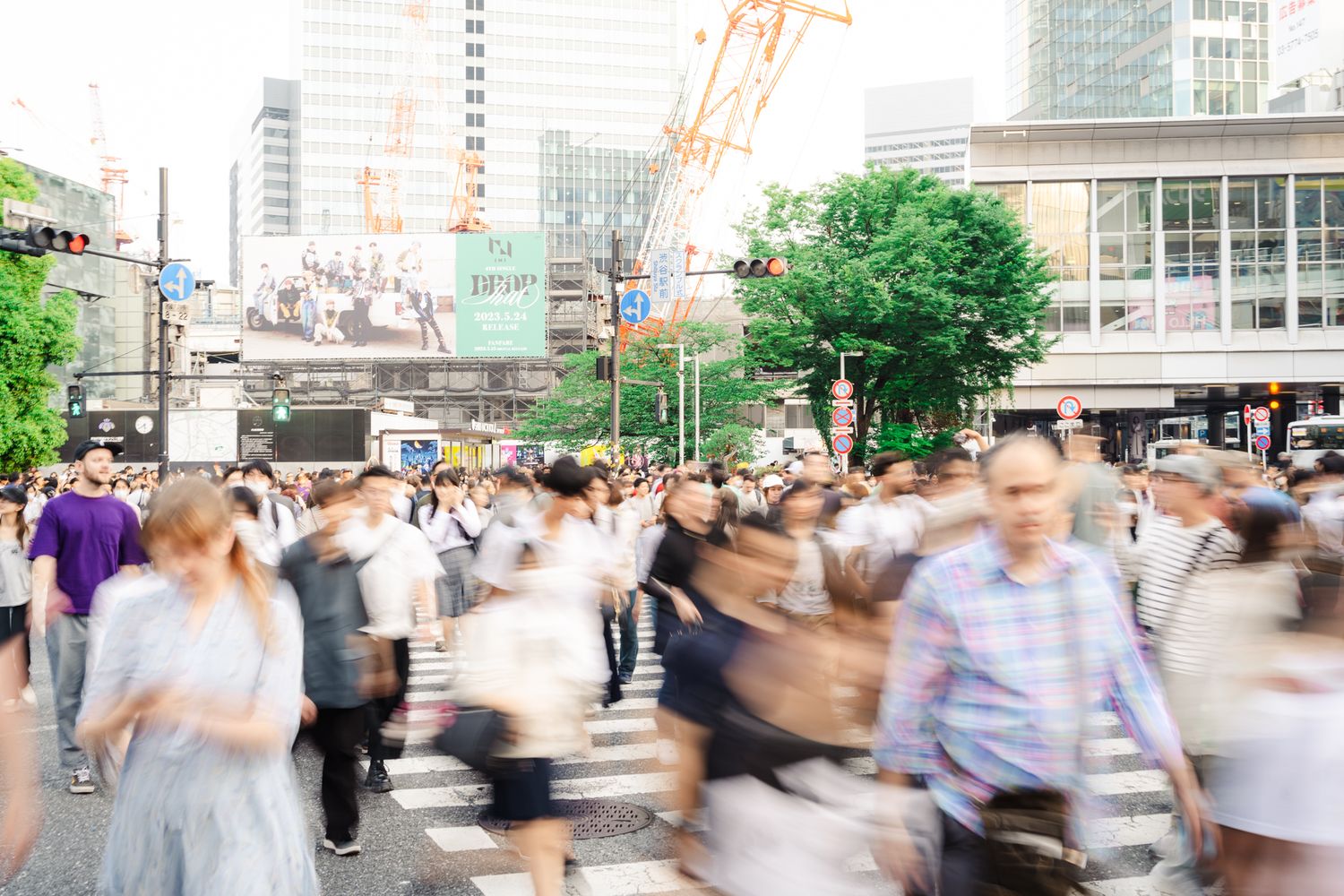
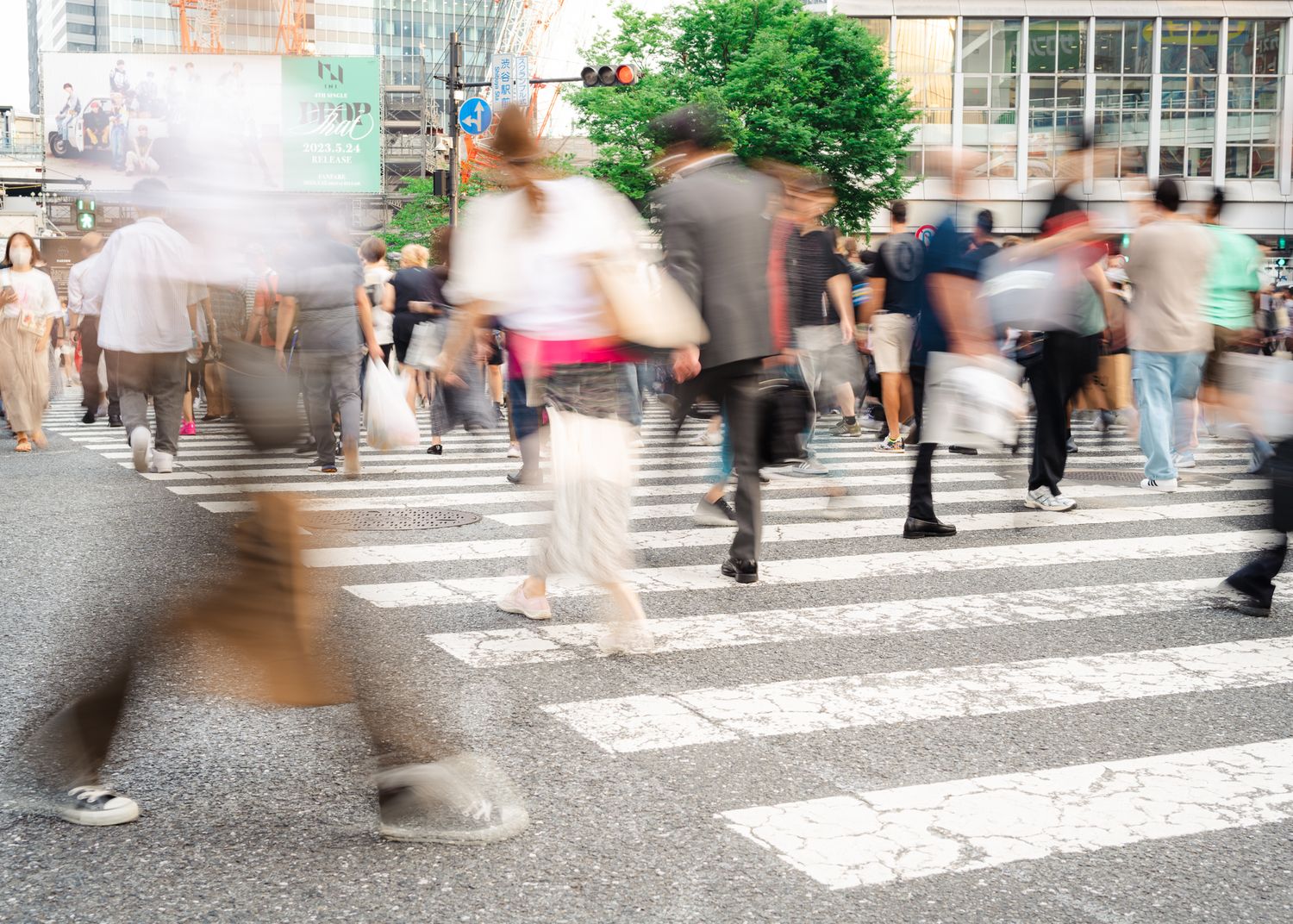
We walked from Harajuku to another must-see featured in just about every exposition shot of Tokyo that's ever been shown in America -- Shibuya Crossing. Famous for being the busiest intersection on the planet, with somewhere around 3,000 pedestrians crossing the street at a time, it reminded me a lot of Times Square in New York. Like Times Square, it's also one of those places that's probably very cool to see once or twice as a tourist and then you'd never want to have to go there again.
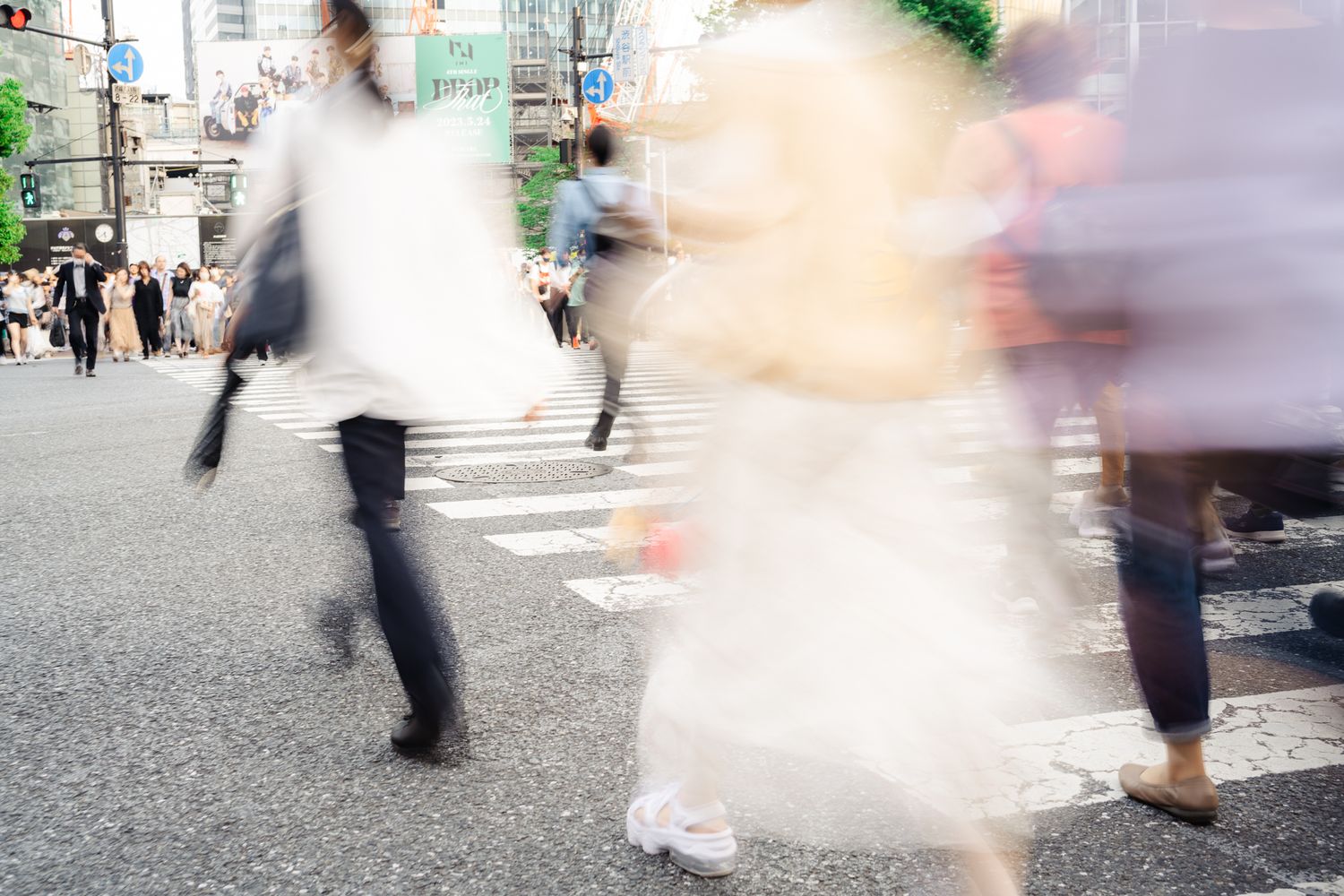
After getting very lost in one of the busiest subway stations in Tokyo on our way back from Shibuya, we made it back in time to meet up with Dan for Patrick's most anticipated meal of the trip, Wagyu beef. We ate at a yakiniku restaurant, where raw meat, vegetables, and sauces are brought to your table which as a grill at its center, and you cook your own food to your liking.
The next morning I left Patrick in charge with only one request: I wanted to try real ramen. Up until that point the only ramen I had ever eaten came out of plastic packages bought in bulk at the grocery store, and I felt like that probably wasn't the most authentic experience.
Our first stop of the day was to Tokyo Tower, which we felt looked suspiciously similar to the Eiffel Tower in Paris. Turns out, that was not a mistake at all, as its design was based on the Eiffel Tower, and both function as antennae for their respective cities. What was a complete surprise is that the Tokyo Tower is taller than the Eiffel Tower. Because Tokyo Tower sits among so many other skyscrapers, whereas the Eiffel Tower literally towers above most of the other buildings in Paris, the relative scale of the monument makes its size harder to appreciate. It felt plenty tall from the top, however, when we stepped out onto one of the glass panels with a direct view to the ground from above.
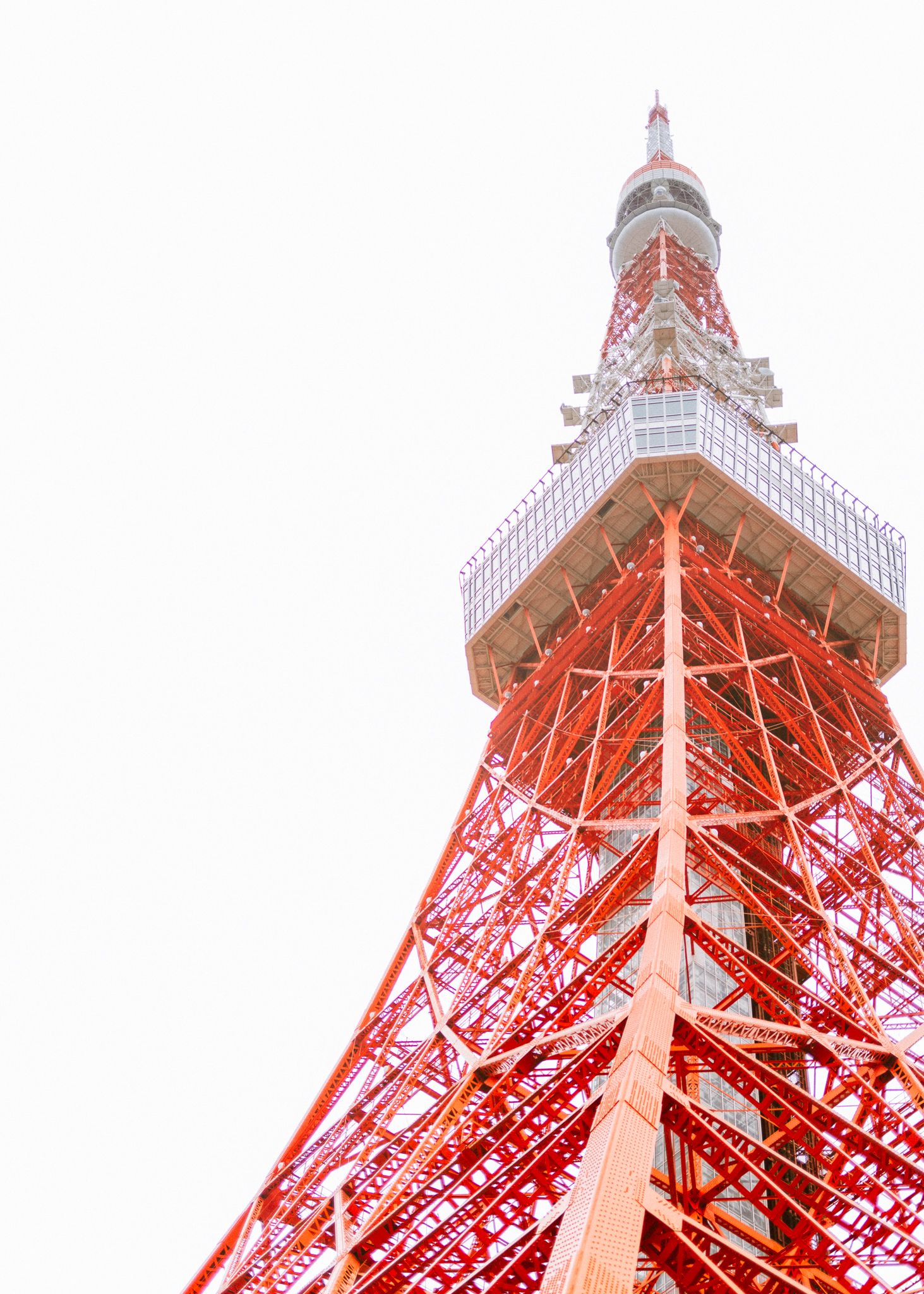
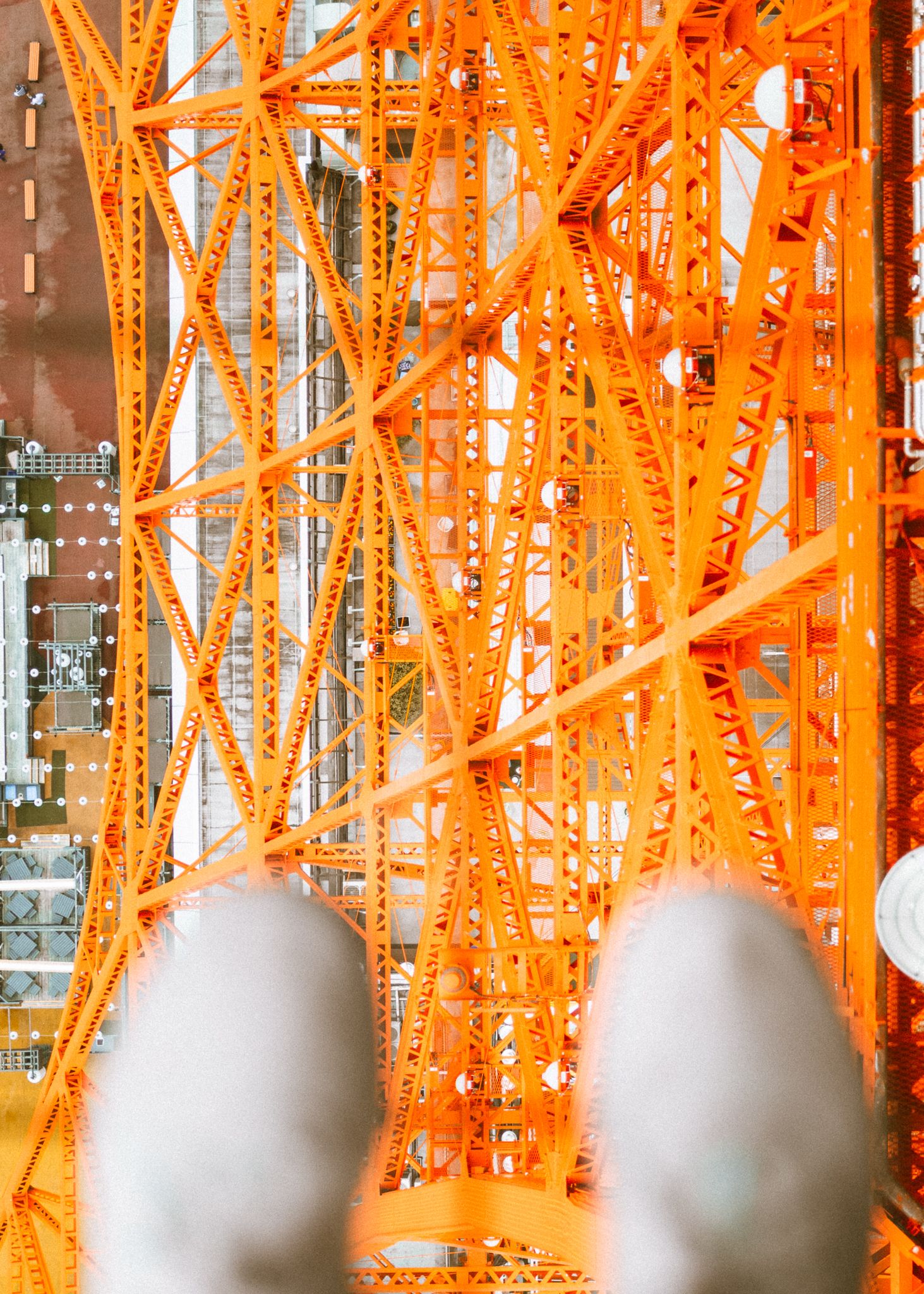
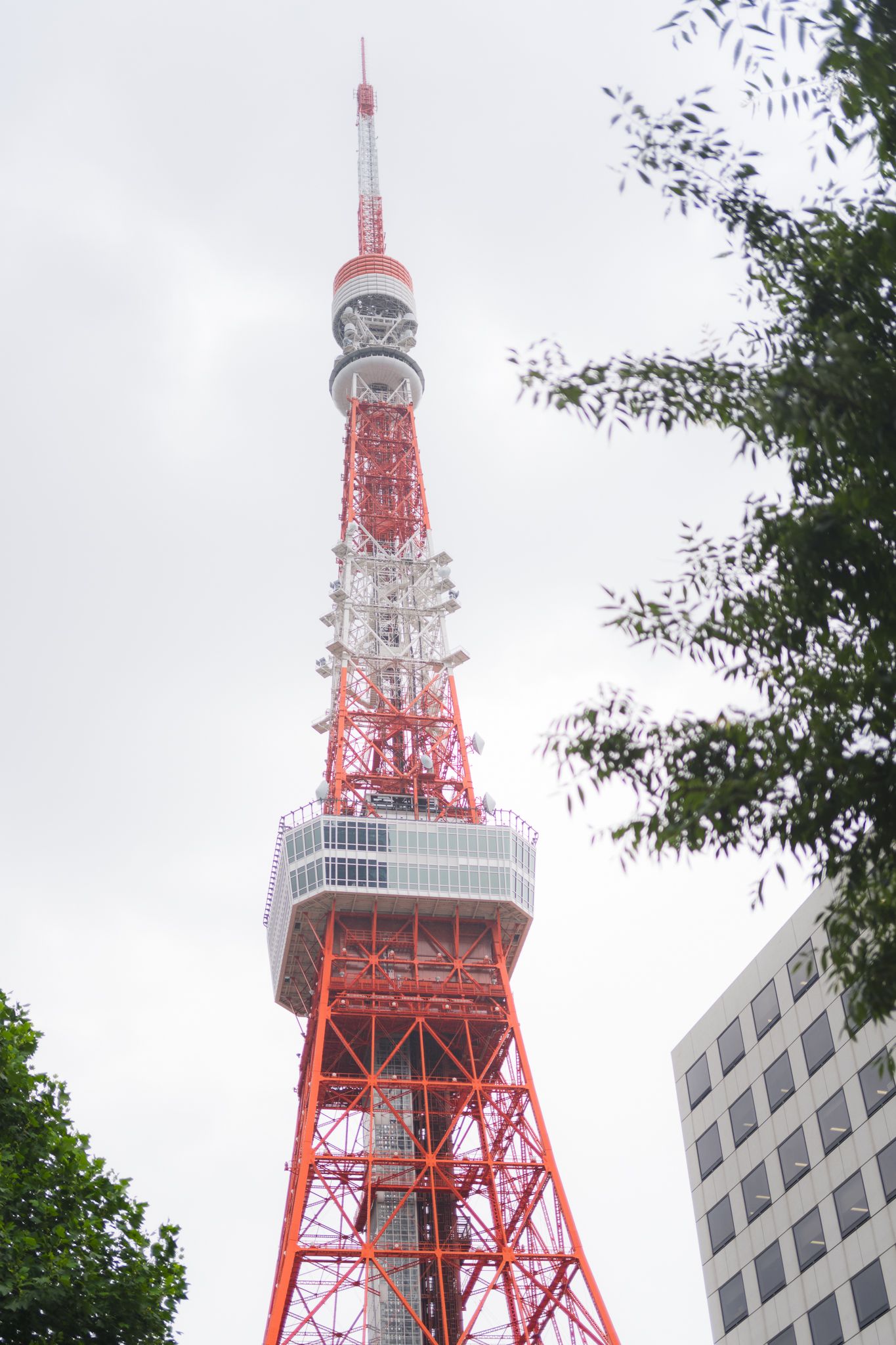
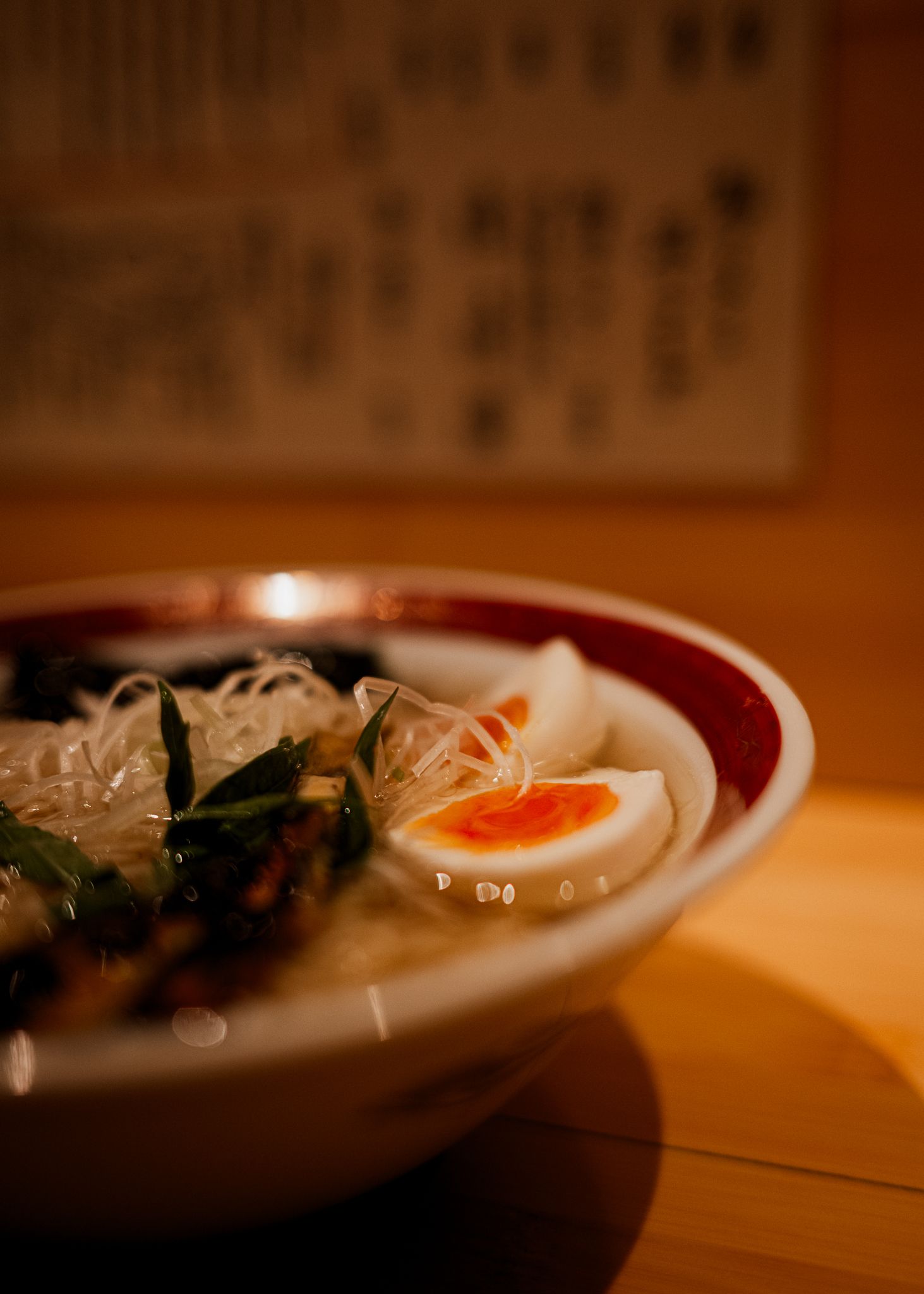
With the goal of ramen in mind, we headed down to FootTown, a mall on the lower levels of Tokyo Tower which housed a highly-rated ramen restaurant according to the internet. However, when we were finally able to find the restaurant, we were at a loss for how to order. The ordering and payment system was run through some sort of machine that we didn't understand, both because the technology was new to us and because it was entirely in Japanese. We took to Google and found that another highly-rated ramen place was in the very same Toranomon Yokocho food hall that we visited on our first night -- a relative comfort zone! We still didn't really know what we were ordering, but with some shrugging and nodding and pointing at the menu, the very patient chef and waitstaff at the restaurant were able to hook us up with exactly what we wanted. And it was definitely far more delicious than the old college staple.
The next morning we were off to the airport for our journey back to the States. While Patrick and I had visions of coffee and pastries in the airport as we awaited our flight, we found that "breakfast" in Tokyo didn't really have the same carbs-and-cheese-heavy theme as we are used to back home. We settled on more ramen even though it seemed strange in the morning. A least it had eggs in it?
What We Will Remember...
The most unique things we noticed about Japan as outsiders that will stick with me:
- Japanese culture is exceptionally polite. Uber drivers, hotel staff, etc., would start every interaction with us with "I'm sorry!" even though they had not done anything wrong. Furthermore, while Patrick and I had been simply saying, "Arigato" as "thank you" at first, we noticed everyone around us was adding the word "gozamaisu" as well. Although compared to the standard American muttered "thanks," "arigato gozamaisu" sounds outrageously long, we learned that this is standard in Japan and it's only in the most casual situations that you should ever shorten it to just "arigato."
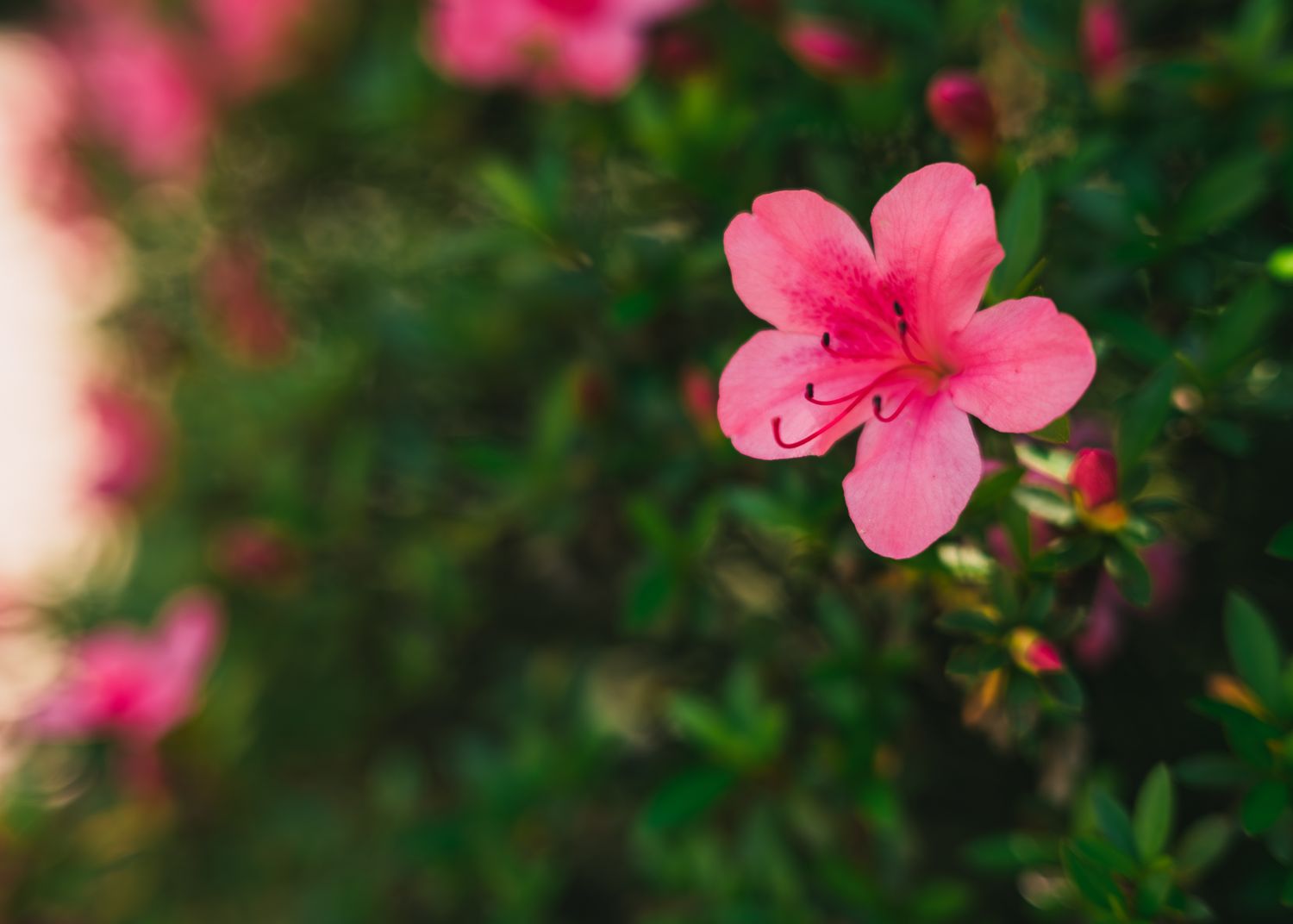
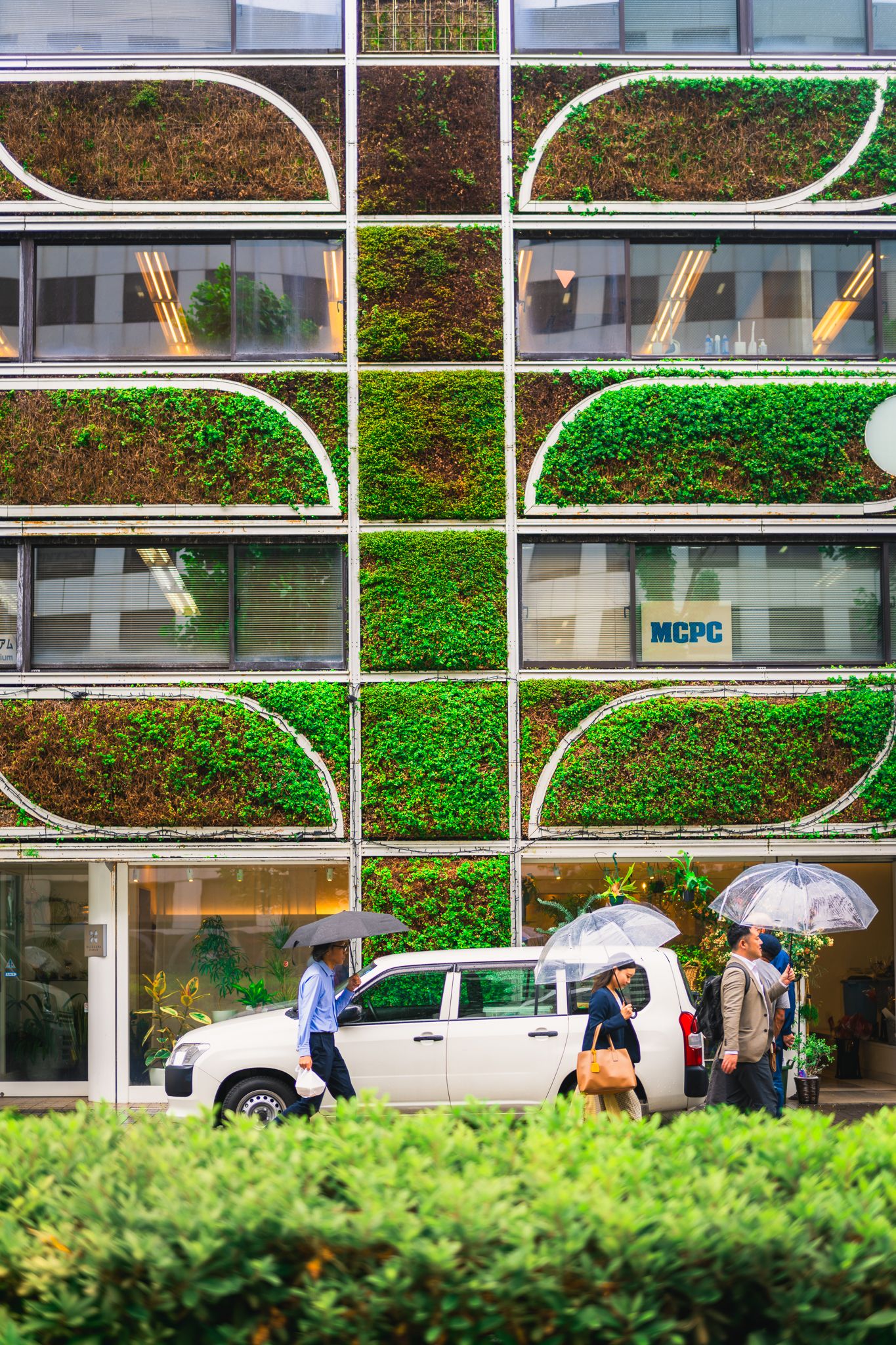
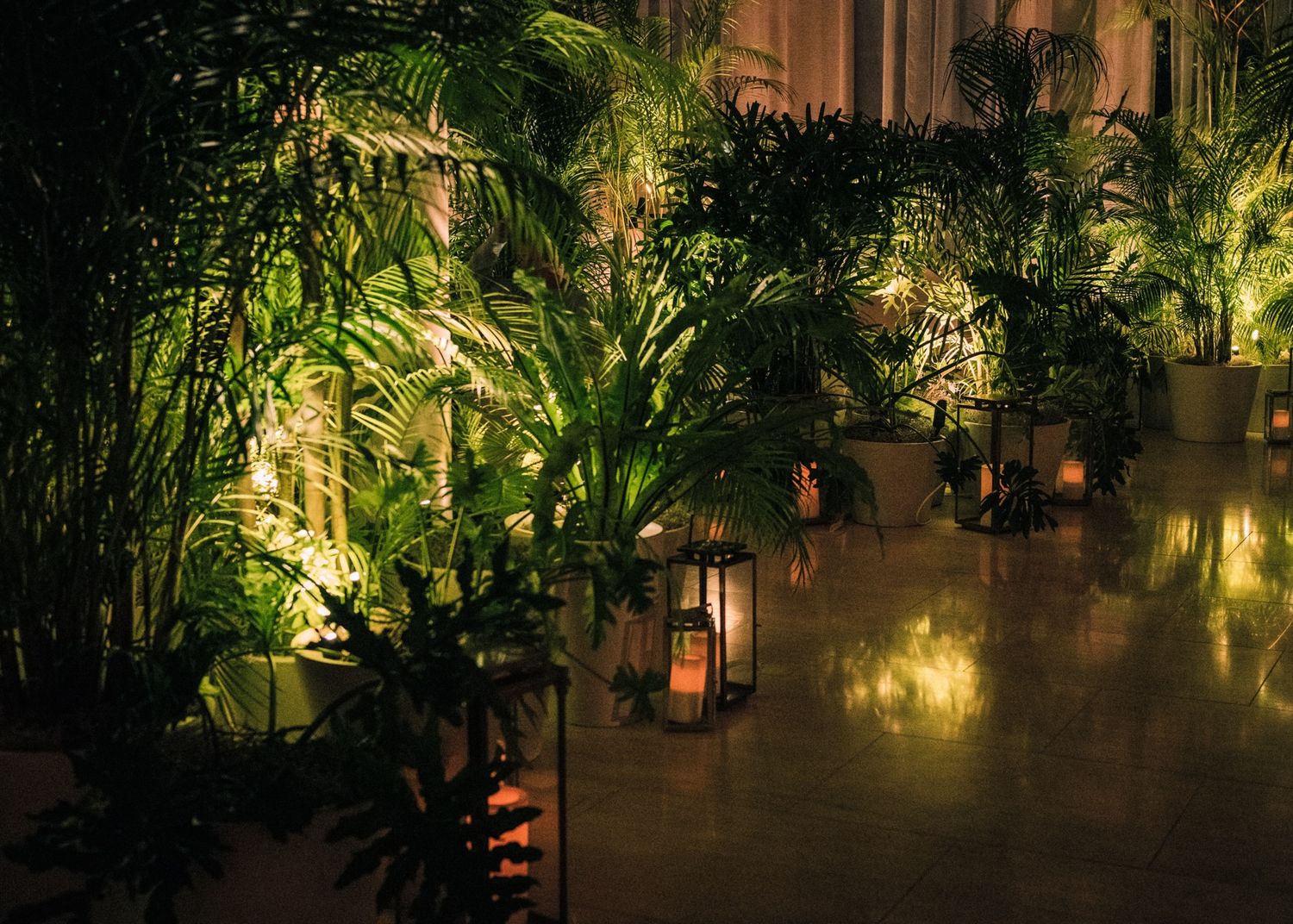
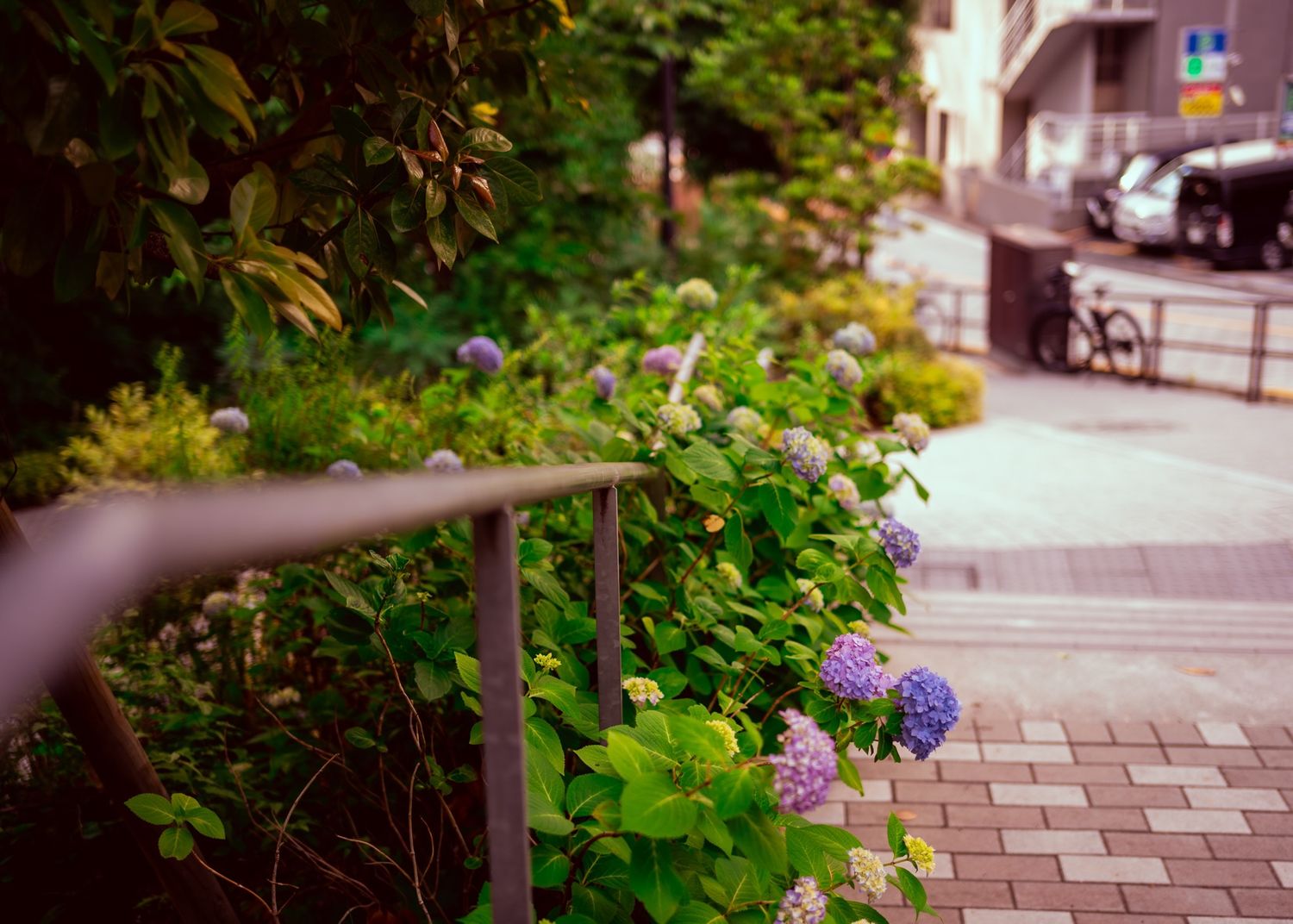
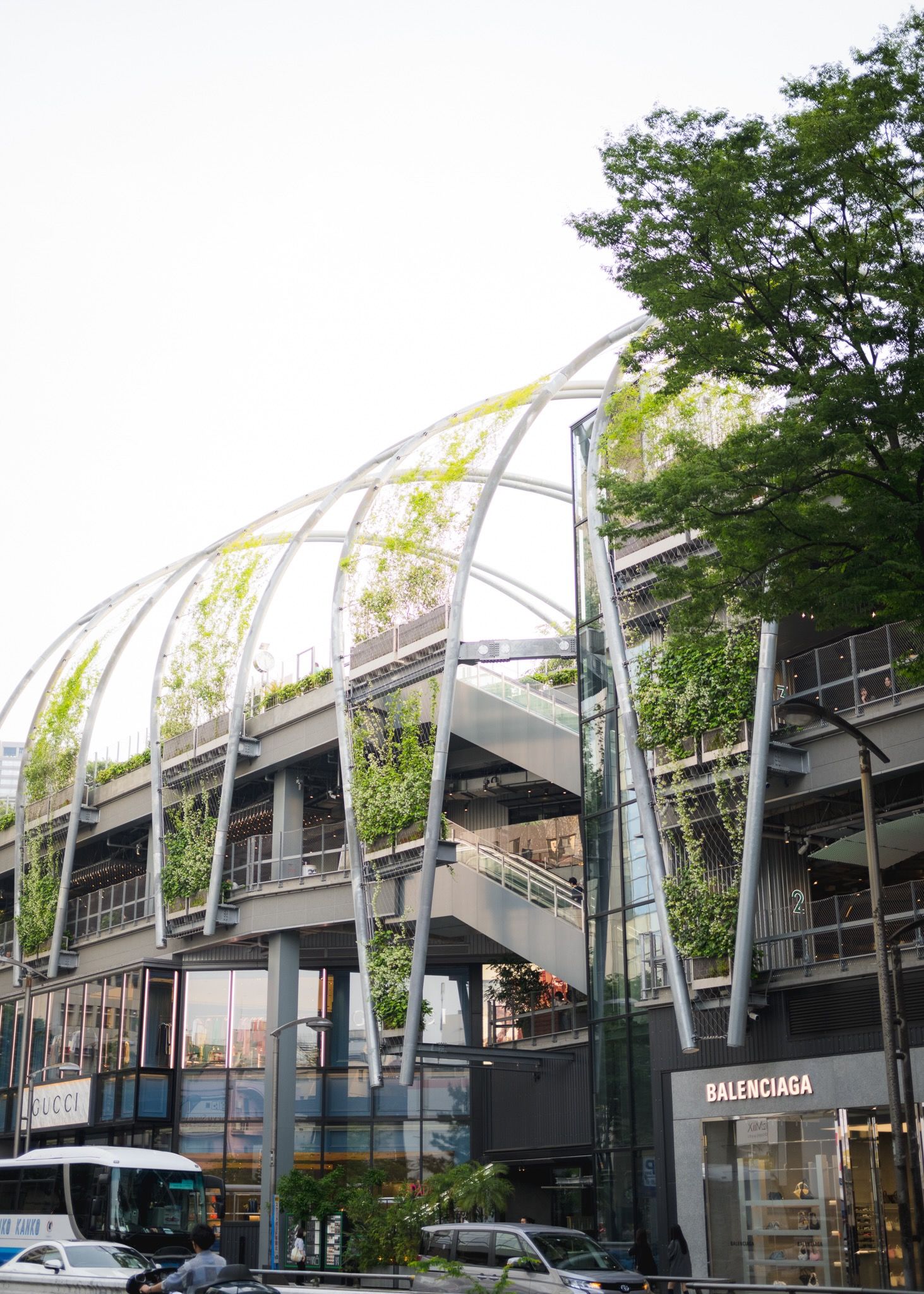
- Tokyo has green space figured out! From plants climbing up the side of buildings to perfectly manicured flower bushes along the sidewalks to gardens pretty much everywhere (including inside bars on the top floor of skyscrapers), there is a sense in Tokyo that even though you're in the middle of one of the world's most crowded places you are also still connected to the beauty and serenity of nature. They have super creative ways of working nature into their decor and their architecture and it makes a huge impact.
- They pay a lot more attention to what does and does not touch the ground. This goes beyond just taking your shoes off when you enter someone's home. The restaurants provide baskets by the tables so that you don't have to place your bags on the ground. The public restrooms even have little saddles where you can put your children (genius!!) so you don't have to put THEM on the ground.
...Sayonara!